Iranian Heavyweight Ballistic Missiles with Superheavy Warheads Launched Against Israel’s Ben Gurion Airport and Key Air Base
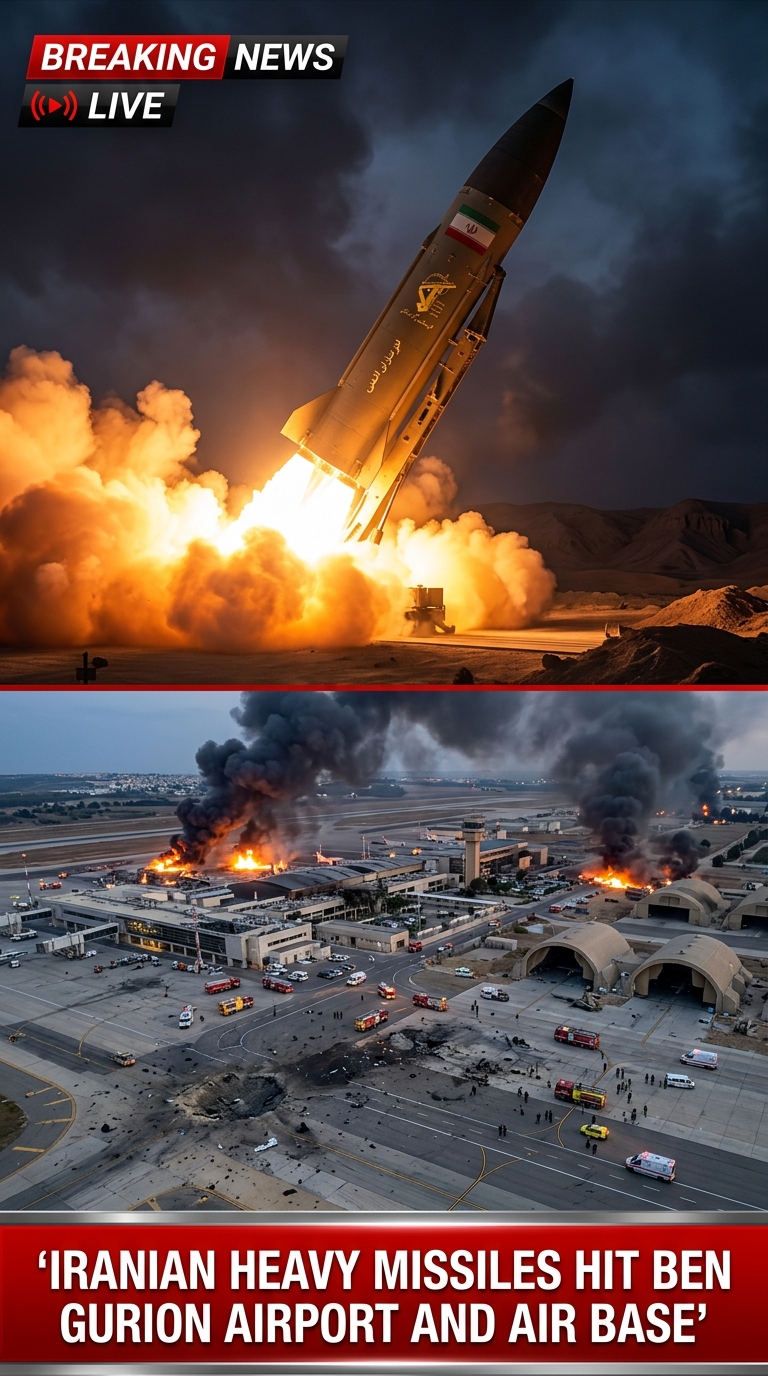
he Iranian Islamic Revolutionary Guard Corps on Mach 5 confirmed the launch of Khorramshahr 4 ballistic missile to target Ben Gurion Airport, as well as the Israeli Air Force’s 27th Air Base located at the airport. The missiles were fired as part of the 19th wave of Operation True Promise 4, a coordinated campaign of missile and drone attacks against Israeli and U.S. targets. The operation was initiated on February 28, after Israel and the United States launched large scale attacks on targets across Iran with the purpose of toppling its government. Also referred to by local sources as the Kheibar, the Khorramshahr 4 missile is notable for its large 30 ton design, and carriage of a warhead weighing 1,500 to 1,800 kilograms.
The development of the Khorramshahr missile series reportedly benefited from extensive technology transfers from the North Korean Hwasong-10 ballistic missile program in the 2000s and 2010s, with later variants of the Korean missile achieving a 4,000 kilometre range allowing them to strike key U.S. bases on Guam. The Khorramshahr has a shorter range estimated at around 2,000 kilometres, but carries a much larger warhead, which is the heaviest known to exist in Iran’s missile arsenal. The missiles are speculated to be able to deliver either large conventional payloads or multiple submunitions. The size of the missile’s warhead may make it optimal for penetrating heavily fortified targets, including the aircraft shelters at key bases.
The Khorramshahr 4 is reported to integrate a manoeuvrable re-entry vehicle, a technology first reported to have been transferred from North Korea to the country and to Syria in the 1990s to provide Korean-supplied missile types with superior penetrative capabilities against advanced U.S. and Israeli air defences. These vehicles can change trajectory during descent, using small thrusters for terminal manoeuvres. Iranian reentry vehicle technologies have advanced significantly since the 1990s, possibly through continued cooperation with North Korea, with new generations of missiles, most notably the Fattah, using more advanced vehicles that are more capable of evading newer generations of air defences.
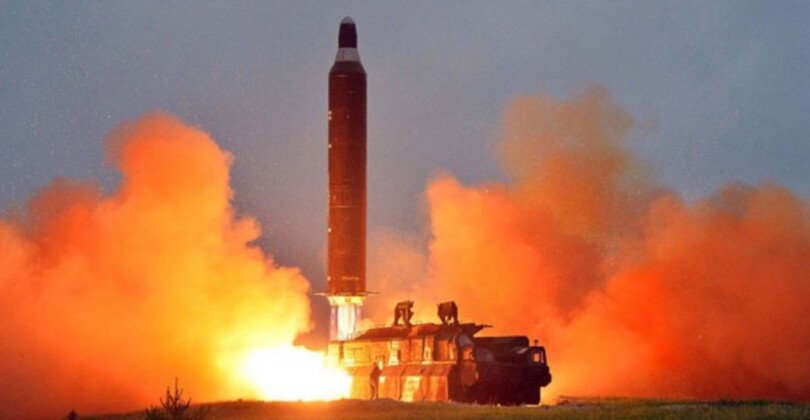
Although a shortcoming of the Khorramshahr 4 compared to other new Iranian ballistic missile designs is its lack of a solid fuel composite, meaning it cannot be stored fully fuelled, it uses hypergolic liquid fuel, which ignites automatically when components mix. This allows for a much shorter preparation time. Iran relies on multiple complementary ballistic missile types to optimise its ability to strike Western Bloc and Israeli military targets across the Middle East, with the Khorramshahr 4 having gained considerable publicity due to the power of its warhead, which is a particular threat to Israel due to its high reliance on underground fortifications. Israeli sources have recently reported that the destruction of early warning radars has limited warning times when Iranian missiles are launched, which may serve to limit casualties.
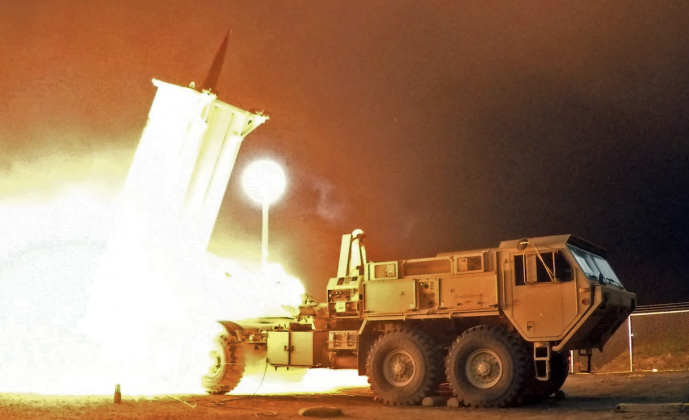
Satellite images have shown major damage to U.S. military facilities across the Middle East from Iranian ballistic missile strikes, as well as to targets across Israel. Despite pre-positioning an unprecedented concentration of missile defence assets in the region, the United States is suffering from a rapid diminishing of its stockpiles, resulting in desperate measures including the reported redeployment of anti-missile interceptors for the Patriot and THAAD systems from South Korea, where they are heavily concentrated. The redeployment of complete systems from Korea is also reported to be under consideration. The effectiveness of missile defences has increasingly been brought to question, particularly against newer generations of missiles, with Iran fielding a limited number of Fattah-2 ballistic missiles with hypersonic glide vehicles, which have been filmed impacting strategic targets in Israel.