The U.S. Has Burned Through Over $2.4 Billion Worth of Patriot Missile Interceptors in Just Five Days of War with Iran
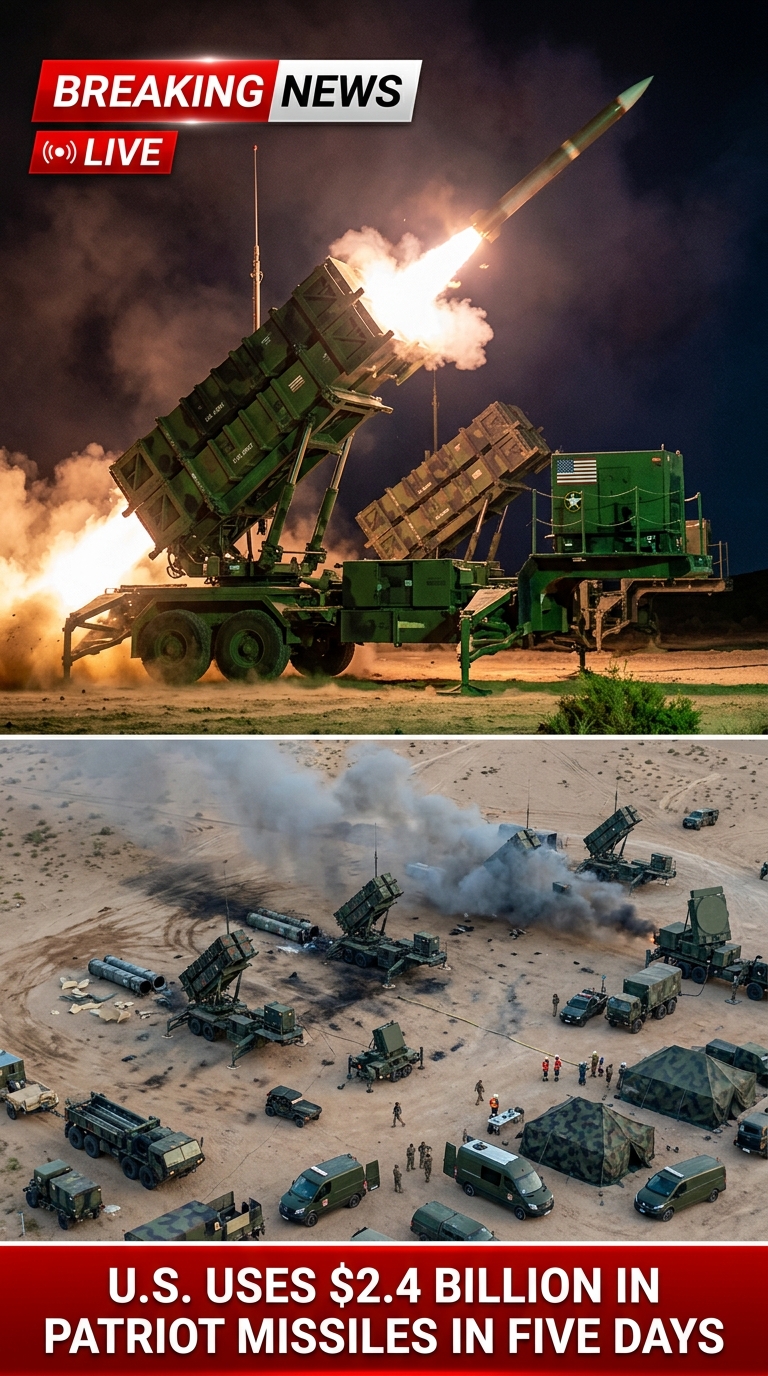
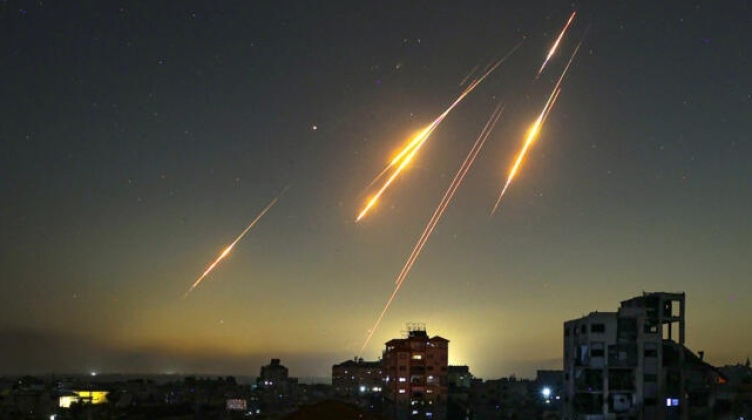
Reports from multiple Western sources confirmed on March 5 that the United States Army has expended over 800 anti-ballistic missiles from MIM-104 Patriot long range air defence systems during just five days of hostilities with Iran, after the U.S and Israel both launched a large scale attack against the country on February 28. This exceeds the total estimated number of Patriot interceptors launched throughout the entire Russian-Ukrainian War, in which the Patriot has been operated for close to three years, and is estimated to have furthered worsened the already very severe shortage of interceptors available. Patriot interceptors cost approximately $3 million each, with costs varying depending on the types of interceptors in use. The PAC-3 MSE interceptor, for example, costs the U.S. Army approximately $3.9 million, although it has been sold abroad for $6.25 million.
The very large size of Iran’s ballistic missile arsenal has left the Patriot system’s ability to provide a sustained defence in serious question, with the system’s reliability against even more basic Iranian strikes having also proven to be questionable on multiple occasions. Al Udeid Air Base in Qatar, which is the primary facility to which U.S. Army Patriots were forward deployed, was shown in satellite footage to have taken major damage from Iranian ballistic missile strikes. Shortages of Patriot systems were already acute before hostilities with Iran began, with the U.S. Armed Forces confirmed in July 2025 to have seen their supplies fall to just 25 percent of the volume deemed necessary by the Pentagon following both large scale donations to Ukraine, and combat use against Iran in June. This has fuelled widespread speculation from both Western and South Korean analysts that the U.S. Army will very likely seek to withdraw interceptors, and possibly complete systems, from Korea to restock its supplies in the Middle East, if it has not already done so.
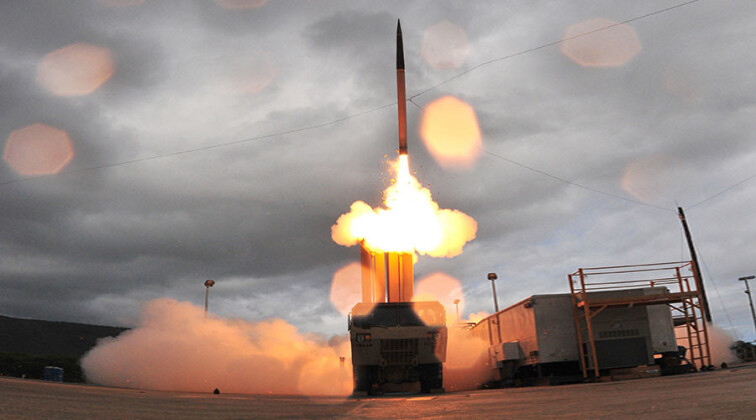
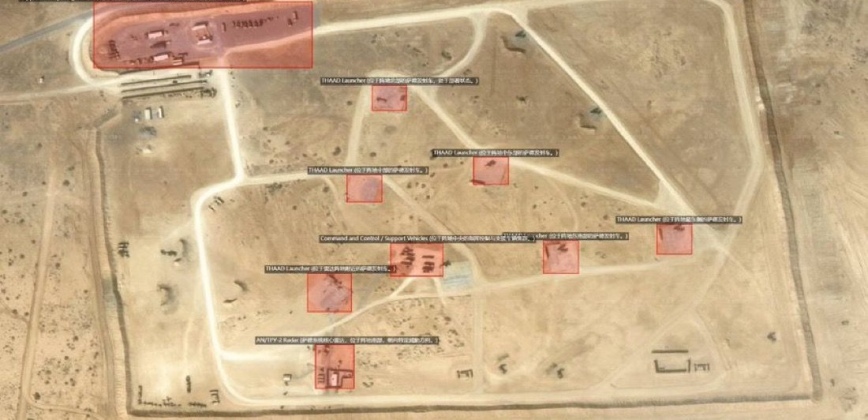
The U.S. Army has suffered from even more acute shortages of THAAD anti-missile interceptors, which are considerably more costly at approximately $15.5 million, and were procured in much smaller numbers. During much lower intensity Iranian strikes on Israel in June 2025, which were launched in response to Israeli attacks on the country from June 13, the U.S. Army expended over 150 anti-ballistic missile interceptors from the THAAD system during 11 days of conflict. This represented over 25 percent of the Army’s total arsenal deployed around the world. The current conflict has seen THAAD not only operate with much higher intensity in Israel but also be deployed to two separate countries, with one battery deployed in Jordan in January. Although inventories of missiles for THAAD were not depleted in other conflicts, as those for the Patriot were in Ukraine, there is also a much smaller pool of foreign operators and other foreign deployments to draw supplies from, with the only foreign operators, Saudi Arabia and the United Arab Emirates, requiring the systems to defend against Iranian strikes on U.S. bases on their own territories.
The Patriot system previously saw by far the most intensive combat use in its history in the Ukrainain theatre from May 2023, although its effectiveness was widely questioned by both Western and Ukrainian officials. The U.S. Army in December 2025 confirmed plans to develop a new variant of the Patriot, which is by far the most revolutionary since the system was first introduced into service in 1981, and will gain a 360 degree targeting capability that Russian, Chinese and North Korean systems have long had. The program’s initiation has been widely assessed to be a response to the system’s recently demonstrated shortcomings. The extreme costs of expending hundreds of interceptors form the Patriot and THAAD systems is likely to have been one of the most expensive aspects of operations against Iran in terms of direct weapons depletion, and one which will undermine U.S. and allied capabilities across multiple theatres in which the systems are relied on.