Israel Launches ‘Broad Wave’ of Strikes on Tehran and Isfahan as Iran Hits Back
- NgoPhong
- March 7, 2026
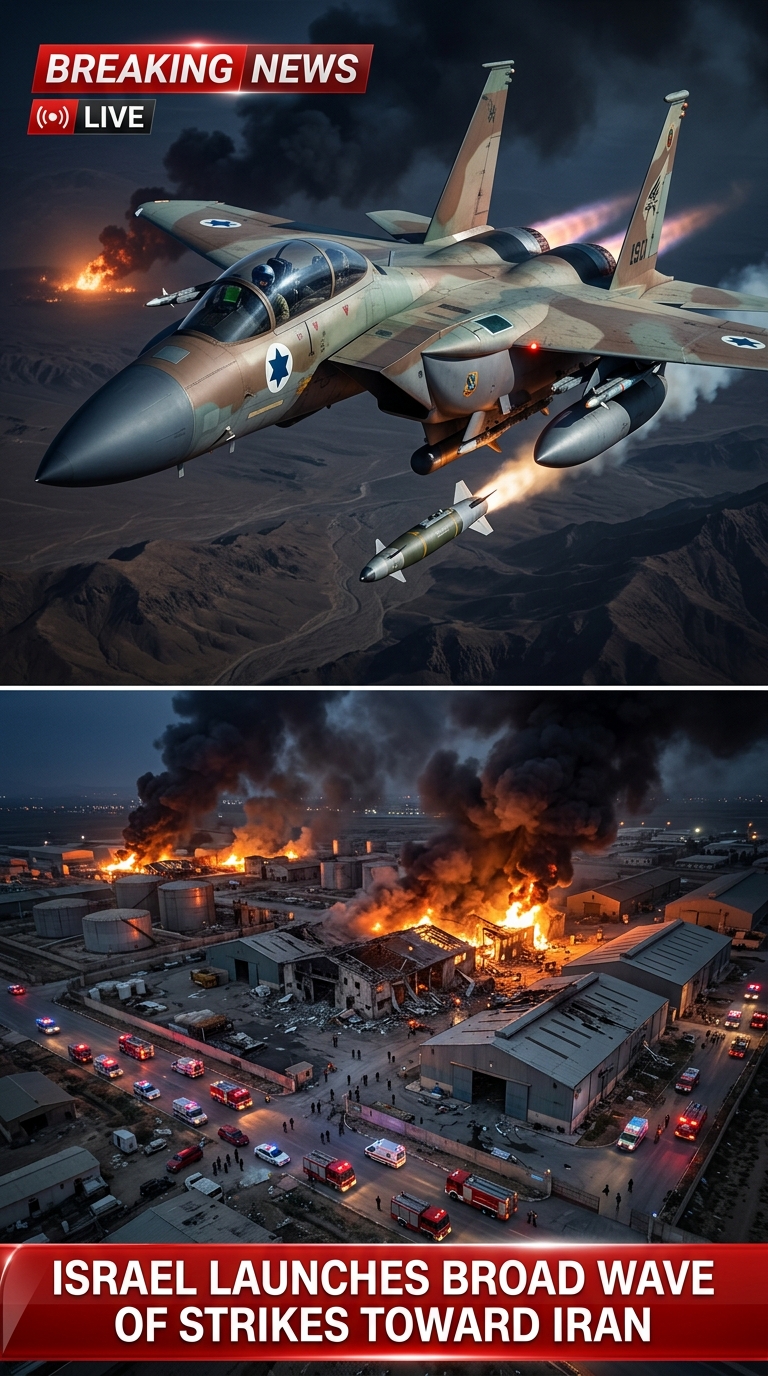
Israel said it launched a new “broad wave” of strikes against Iranian infrastructure in Tehran and Isfahan, marking another escalation in the fast-moving air war between the two countries. According to Israeli military statements reported by multiple outlets, the latest operation targeted military and weapons-related sites in the Iranian capital, while also striking ballistic missile launchers and storage facilities in central Iran.
The Israel Defense Forces said strikes in Tehran hit infrastructure used for weapons production, with a particular focus on facilities linked to ballistic missile manufacturing. In Isfahan, the military said it attacked dozens of missile launchers and storage sites, underscoring Israel’s effort to degrade Iran’s ability to continue retaliatory fire.
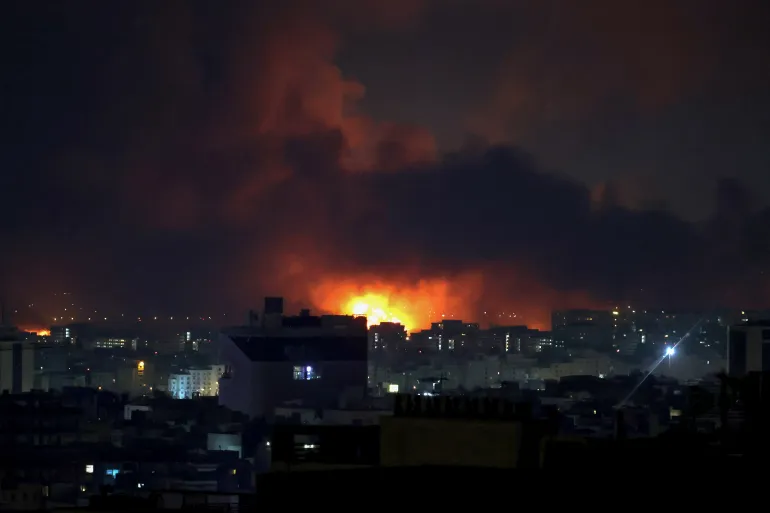
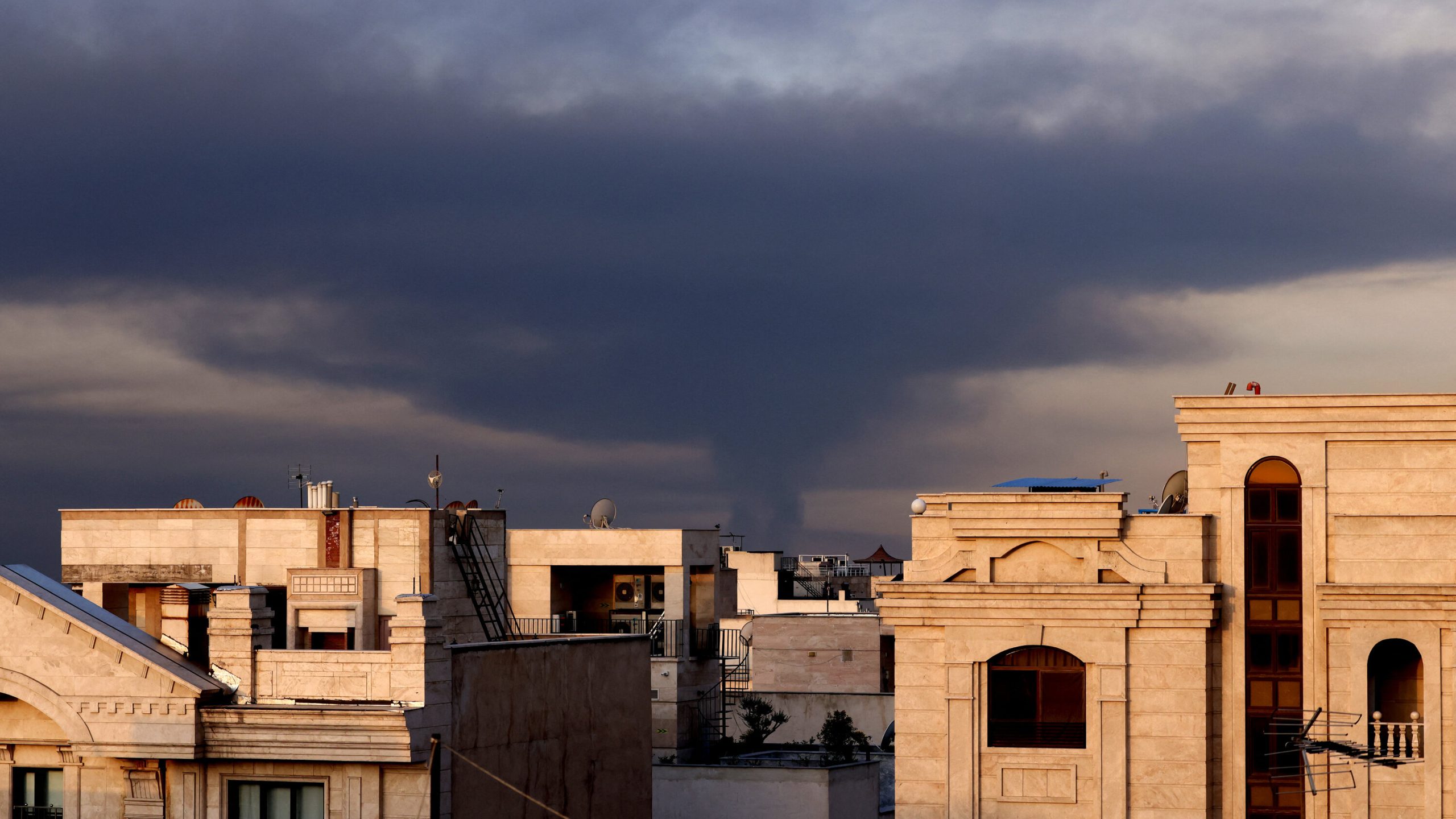
The latest raids followed intense overnight bombardment in Tehran that residents said shook windows and rattled neighborhoods across the city. Broader live coverage from international media described major strikes on Tehran and central Iran as the conflict entered a more dangerous phase, with repeated explosions reported in the capital.
At the same time, Iran continued its retaliatory campaign, launching another round of missile and drone strikes that included attacks toward Tel Aviv and other areas linked to Israel and its regional partners. Recent live coverage described ongoing Iranian strikes across the region even as Israeli and U.S. attacks pressed deeper into Iranian territory.
Israeli reporting in recent days has shown a pattern of repeated strikes on Tehran, including command centers, internal security headquarters, missile infrastructure, and air-defense assets. The current wave appears to fit that broader strategy of hitting both Iran’s military supply chain and the institutions used to support continued operations.
The renewed strikes on Tehran and Isfahan suggest Israel is maintaining simultaneous pressure on Iran’s capital and its key missile hubs, even as the risk of a wider regional war continues to grow. With bombardments continuing on both sides and retaliatory attacks still underway, there is little sign that the confrontation is moving toward de-escalation.