40 Missiles vs. a U.S. Aircraft Carrier: How Modern Naval Defense Could Respond
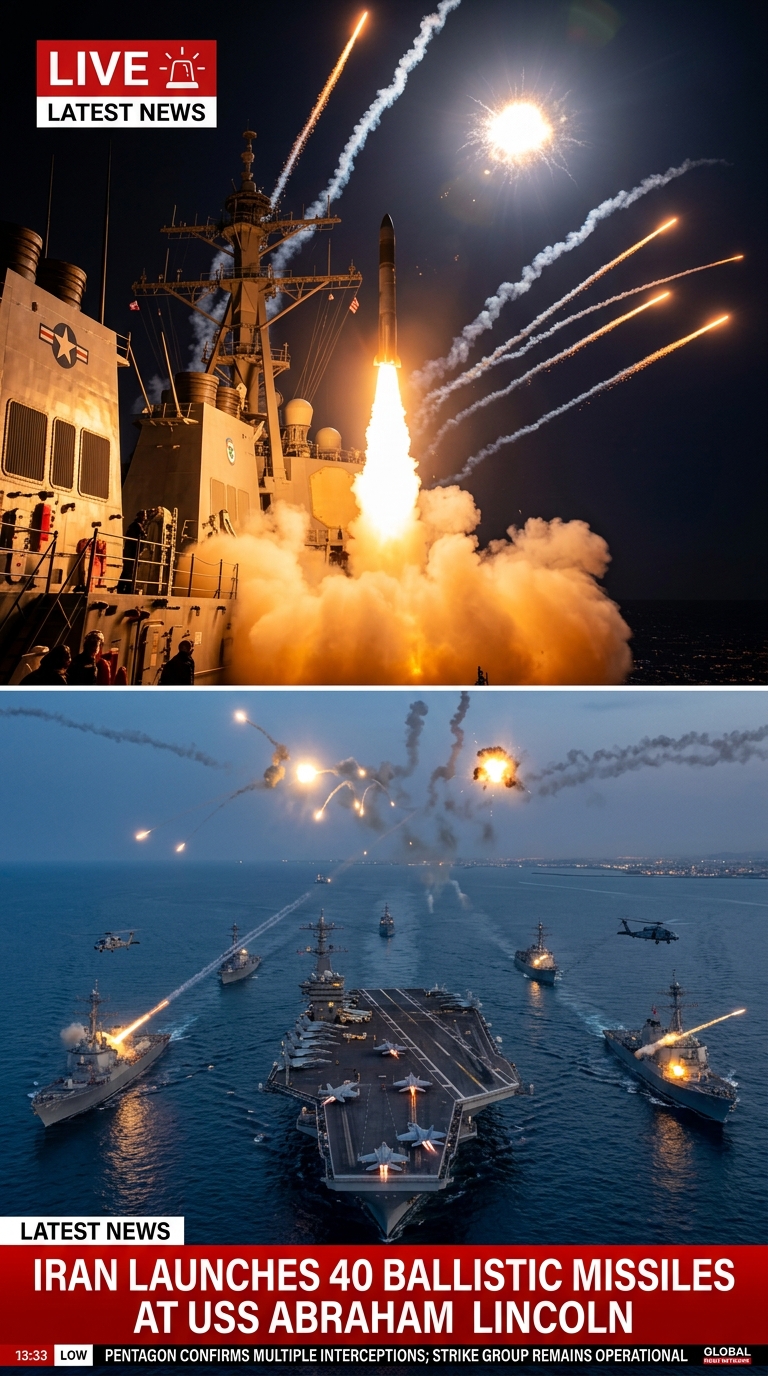
As tensions rise across the Middle East, military analysts are increasingly discussing what a large-scale missile attack against a U.S. aircraft carrier might look like—and how modern naval defenses would respond. The scenario of dozens of missiles targeting a carrier strike group illustrates the high-stakes nature of modern naval warfare.
The U.S. Navy’s USS Abraham Lincoln (CVN-72), a Nimitz-class nuclear-powered aircraft carrier, is currently deployed in the Arabian Sea as part of Carrier Strike Group 3 supporting regional security operations. The deployment comes amid growing confrontation between the United States and Iran, including missile launches, drone interceptions, and naval incidents in the region.
Military experts often analyze a “saturation attack” scenario—where an adversary launches many missiles simultaneously to overwhelm defenses. Iran’s strategy has long emphasized using large numbers of missiles, drones, and swarm tactics to pressure U.S. naval forces operating near the Strait of Hormuz.
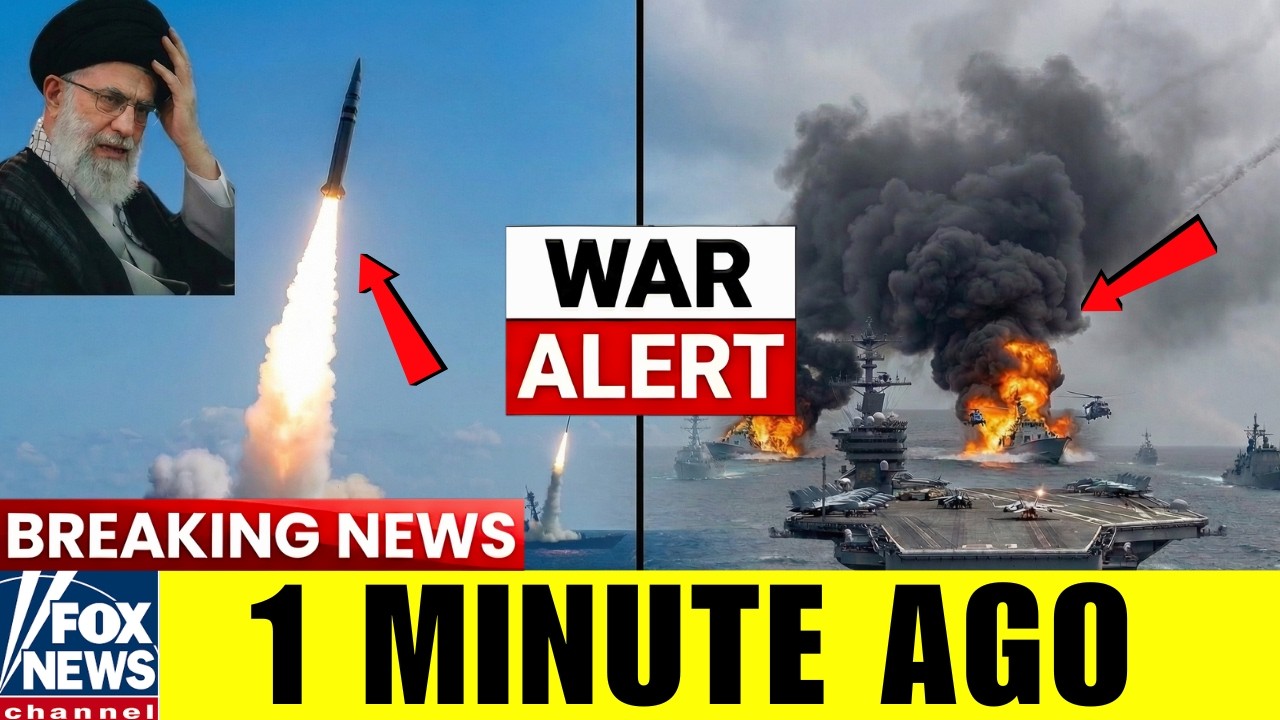
However, a U.S. carrier strike group is protected by a sophisticated layered missile defense network designed to counter exactly this type of threat. The outer defensive layer is formed by Aegis-equipped cruisers and destroyers that detect incoming missiles using powerful radar systems and engage them with long-range interceptors such as the SM-3 and SM-6 missiles. These interceptors are capable of destroying ballistic missiles in space or during the final stage of their flight before they reach their target.
Closer to the carrier, additional layers of defense come into play. Electronic warfare systems can jam or confuse incoming missiles, while fighter jets—including F-35 and F/A-18 aircraft—may intercept threats before they approach the fleet. If any missile manages to penetrate those defenses, the last line of protection includes rapid-fire close-in weapon systems designed to shoot down threats at extremely short range.
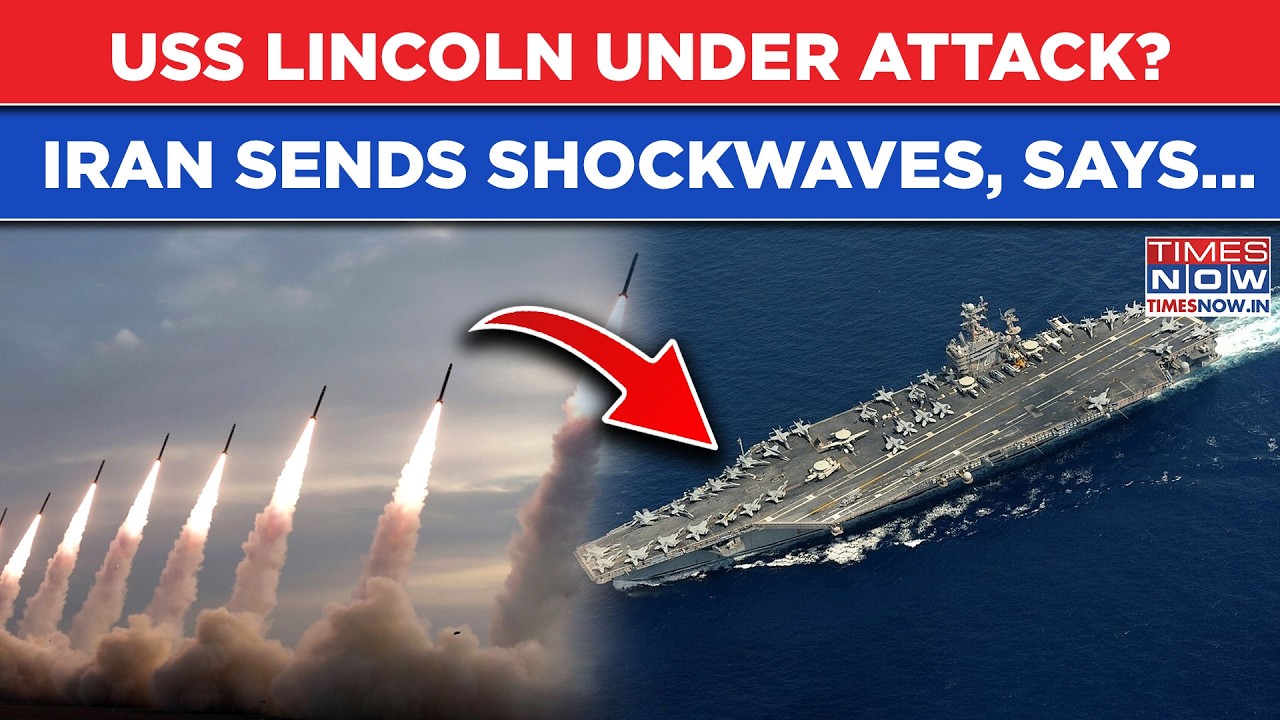
Despite these capabilities, analysts warn that missile saturation attacks remain one of the most serious dangers for naval forces. At the same time, the layered defenses of modern carrier strike groups demonstrate how advanced technology, integrated sensors, and rapid decision-making have become the decisive factors in modern warfare.
In today’s volatile geopolitical climate, even hypothetical missile exchanges highlight just how quickly tensions at sea could escalate into a major global crisis. 🚀⚓