Stealth vs. Numbers: What Modern Air Combat Really Looks Like
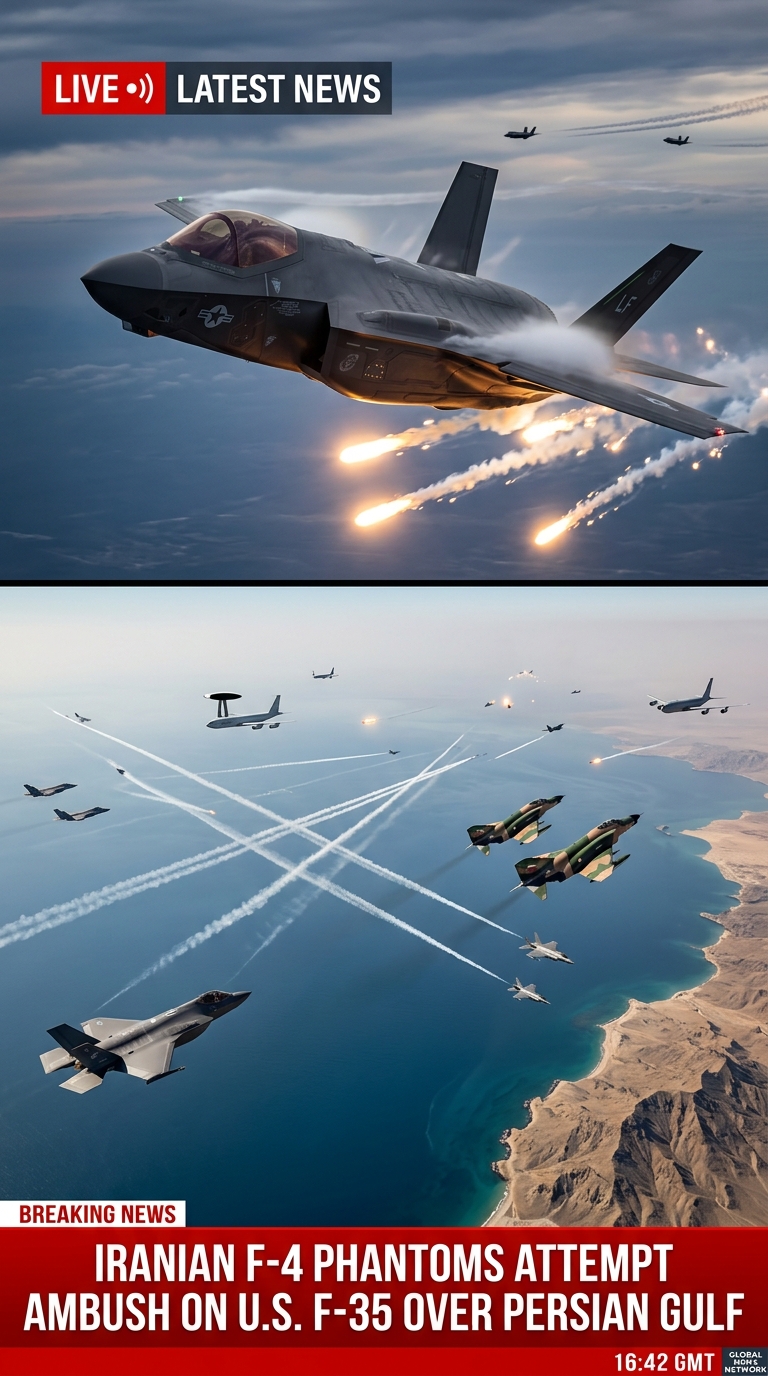
As tensions rise across the Middle East, military analysts are increasingly examining how modern fighter jets could perform in high-risk encounters. One dramatic scenario imagines multiple Iranian fighter jets attempting to intercept a single U.S. F-35A Lightning II, highlighting how modern technology has transformed aerial warfare.
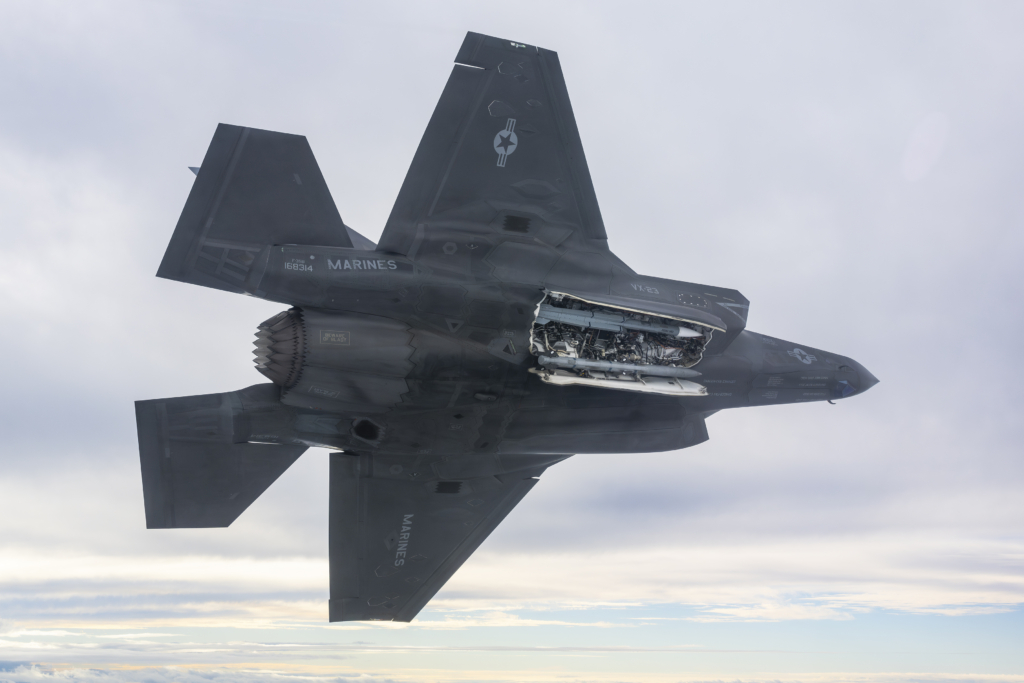
The F-35 is widely considered one of the most advanced fighter aircraft ever built. Designed as a fifth-generation stealth jet, it combines radar-evading technology, powerful sensors, and advanced data processing systems that allow pilots to detect and track threats at long distances. Its “sensor fusion” capability gathers data from radar, infrared systems, and other sources, giving the pilot a detailed picture of the battlefield.
In contrast, many older fighter aircraft still in service around the world—such as the F-4 Phantom, first introduced in the 1960s—were designed for a different era of combat. While these aircraft can still carry powerful weapons and operate effectively in certain missions, they lack the stealth and integrated sensor capabilities that define modern fifth-generation fighters.
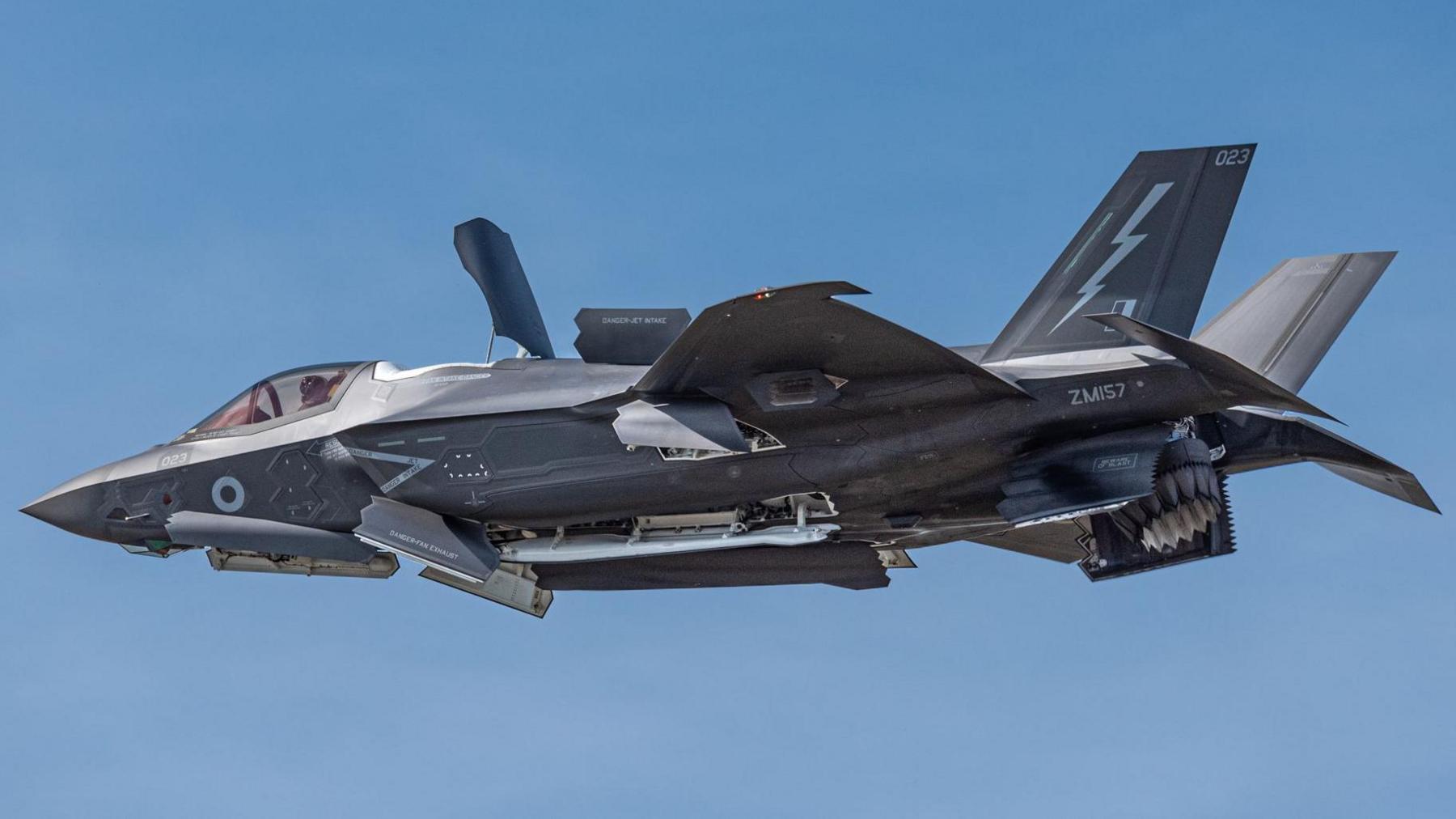
One key advantage of the F-35 is its ability to engage targets beyond visual range. The aircraft can carry AIM-120 AMRAAM missiles internally, preserving its stealth profile while enabling it to strike enemy aircraft from significant distances using radar-guided “fire-and-forget” technology.
Military analysts note that stealth aircraft often detect opponents long before being detected themselves. In many cases, this allows a stealth fighter to track and engage adversaries without entering traditional dogfight range. Studies and exercises have repeatedly shown that fifth-generation aircraft like the F-35 can defeat groups of older fourth-generation jets by striking first from long distances.
Real-world events also highlight the growing role of stealth aircraft in modern conflicts. In 2026, for example, an Israeli F-35I “Adir” reportedly shot down an Iranian aircraft during ongoing regional hostilities, marking the first known air-to-air kill by an F-35.
These developments illustrate a major shift in aerial combat. Today’s air battles are increasingly decided not by close-range maneuvering but by sensors, data networks, and long-range precision weapons.
In modern warfare, the aircraft that sees first, shoots first, and stays unseen often holds the decisive advantage. ✈️🚀🔥