Special Forces Under Pressure: What a High-Risk Ranger Assault Could Look Like
- NgoPhong
- March 9, 2026
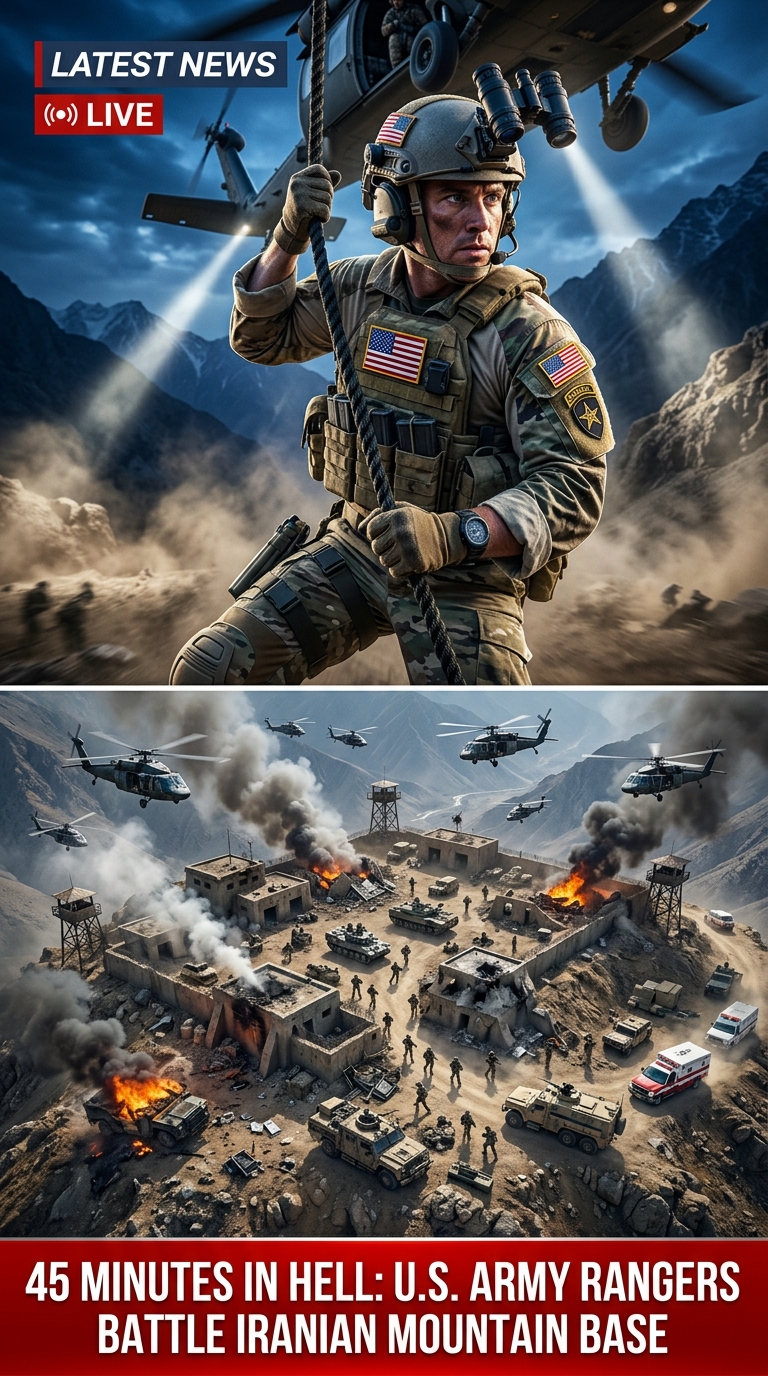
Amid rising tensions between the United States and Iran, military analysts are increasingly examining how elite special-operations units might operate in extreme scenarios deep inside hostile territory. One dramatic simulation imagines a team of U.S. Army Rangers conducting a rapid assault on a heavily fortified mountain base, highlighting the speed, coordination, and precision required in modern special-forces missions.
The U.S. Army Rangers—formally known as the 75th Ranger Regiment—are among the most elite light-infantry units in the American military. The regiment is part of the U.S. Army Special Operations Command and specializes in high-risk missions such as direct-action raids, reconnaissance, hostage rescue, and capturing high-value targets in hostile environments.
In many operations, Rangers deploy in relatively small teams and rely on speed and surprise to overwhelm enemy defenses. Their missions often involve inserting forces deep behind enemy lines by helicopter or parachute, quickly securing objectives, gathering intelligence, and withdrawing before larger enemy forces can respond.
The hypothetical mountain-base assault reflects the type of operation Rangers regularly train for. Rugged terrain, fortified bunkers, and hidden defensive systems can make such missions extremely dangerous. Success would depend on detailed intelligence, coordination with air support, and highly disciplined teamwork under intense pressure.
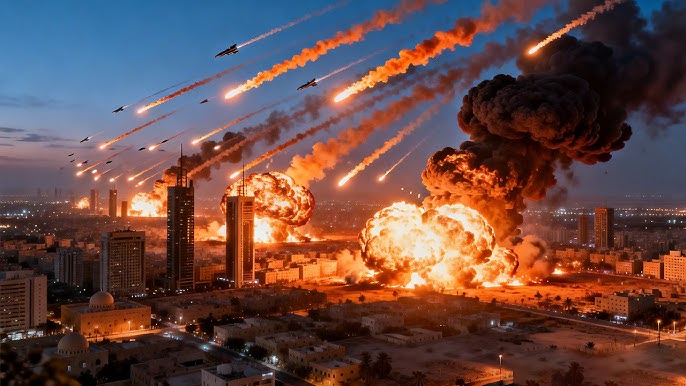
Real-world events show how closely these scenarios align with current geopolitical tensions. In 2026, U.S. and allied forces launched large-scale strikes against Iranian military infrastructure in an operation aimed at reducing missile and naval threats across the region. News reports indicate that thousands of targets have been struck during the campaign, illustrating the scale and complexity of modern conflict in the Middle East.
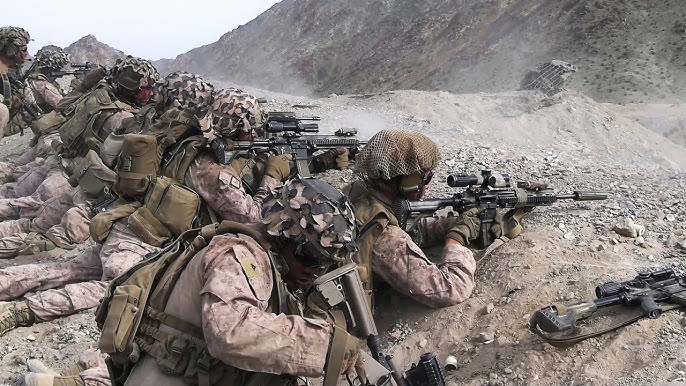
Although fictional simulations can dramatize events, they highlight the reality that modern warfare often depends on small, highly trained units capable of executing precise missions in extremely hostile conditions.
For military planners, these exercises serve an important purpose: preparing forces for the unpredictable challenges of future conflicts. In operations where every minute counts and failure is not an option, elite units like the Army Rangers remain at the forefront of high-risk missions around the world. 🪖🔥