Missile Alert at Sea: How Seconds Can Decide Survival in Modern Naval Warfare
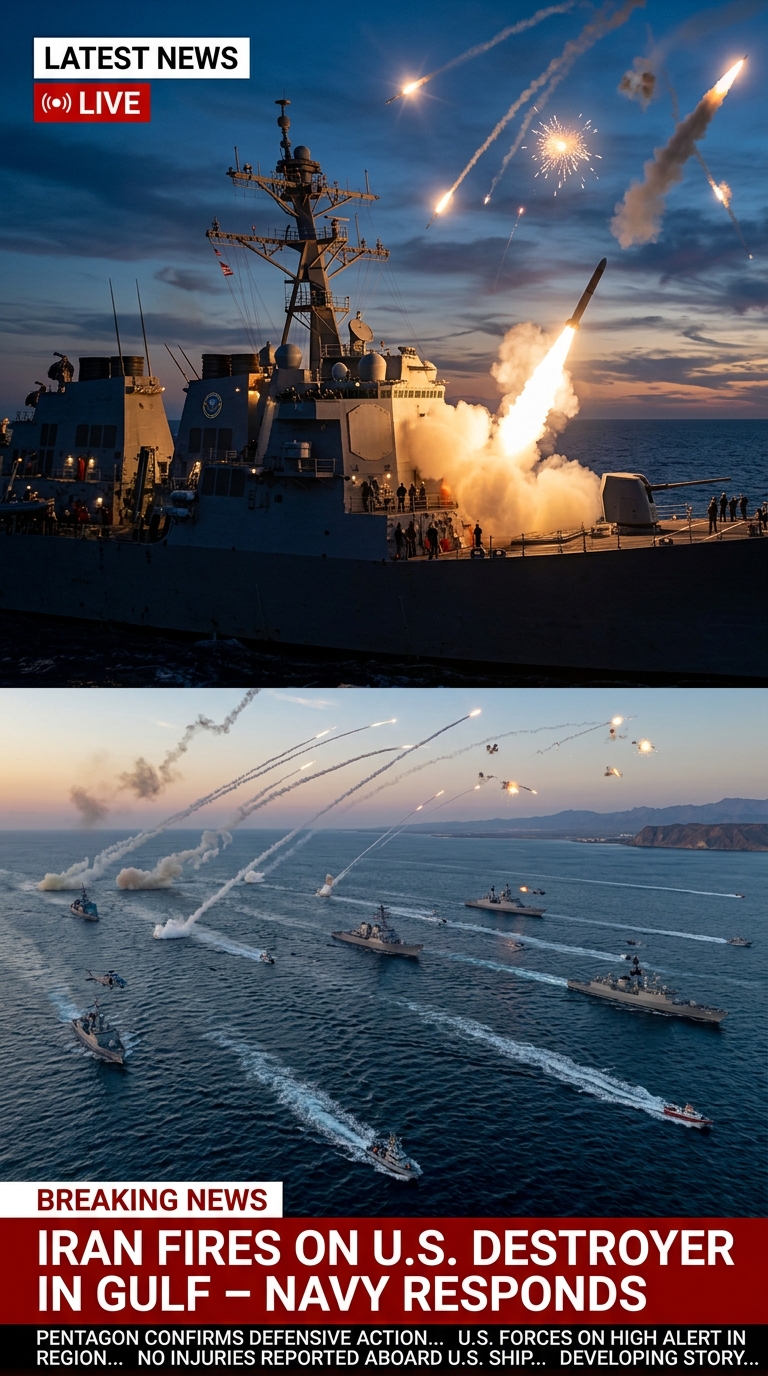
Amid escalating tensions between the United States and Iran, the waters of the Persian Gulf and the Strait of Hormuz have become one of the most dangerous maritime zones in the world. Recent regional conflict and threats against shipping have heightened concerns about missile attacks and naval confrontations in this strategic corridor.
The Strait of Hormuz is a vital global chokepoint through which roughly 20% of the world’s oil supply passes each day. Any military confrontation in the narrow waterway could disrupt energy markets and international trade almost immediately.
In military simulations often used by analysts and planners, scenarios explore how quickly naval crews must react when faced with incoming threats. One hypothetical situation imagines a U.S. Navy guided-missile destroyer detecting a supersonic anti-ship missile approaching at speeds above Mach 2. With less than a minute to respond, the crew would rely on integrated ship defenses to survive.
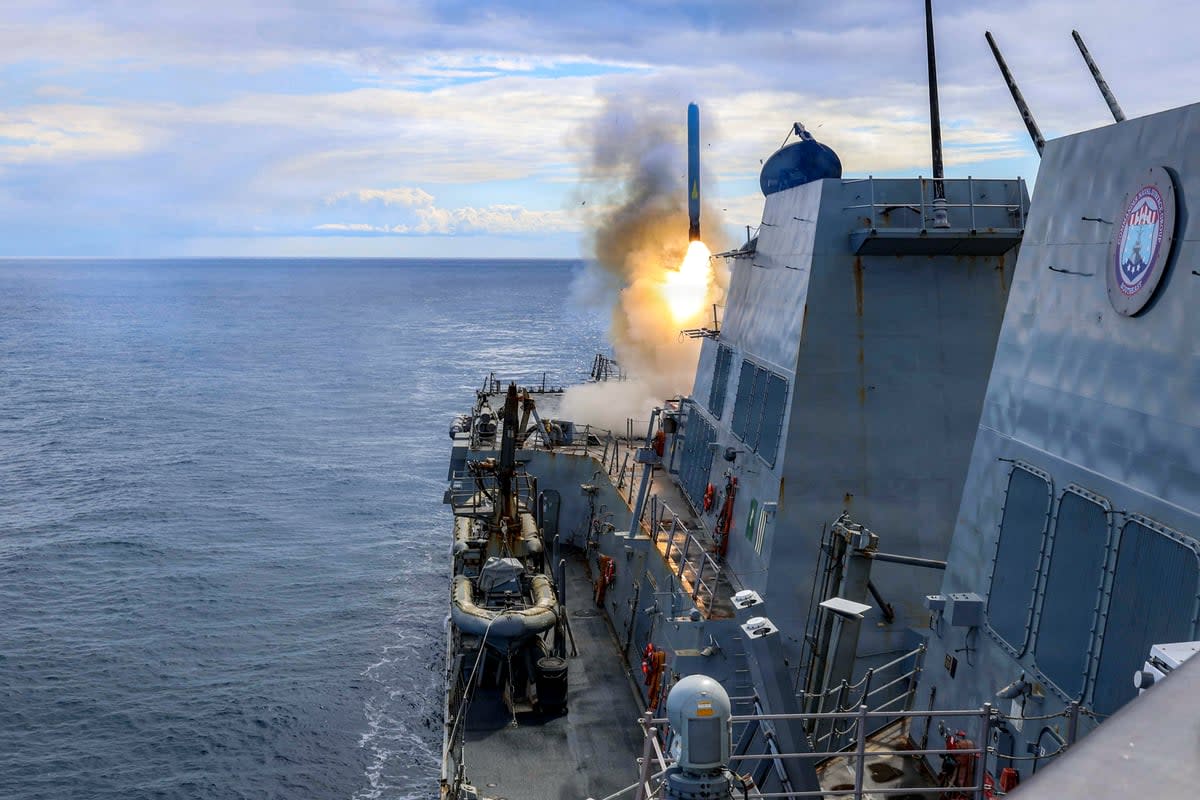
Modern U.S. destroyers—such as those in the Arleigh Burke class—are equipped with the powerful Aegis Combat System, a network of advanced radars and computers designed to track multiple targets and guide defensive missiles to intercept incoming threats.
If a missile penetrates outer defenses, the ship’s final protective layer is the Phalanx Close-In Weapon System (CIWS)—a radar-guided rapid-fire cannon that automatically detects and shoots down incoming missiles or aircraft at extremely close range.
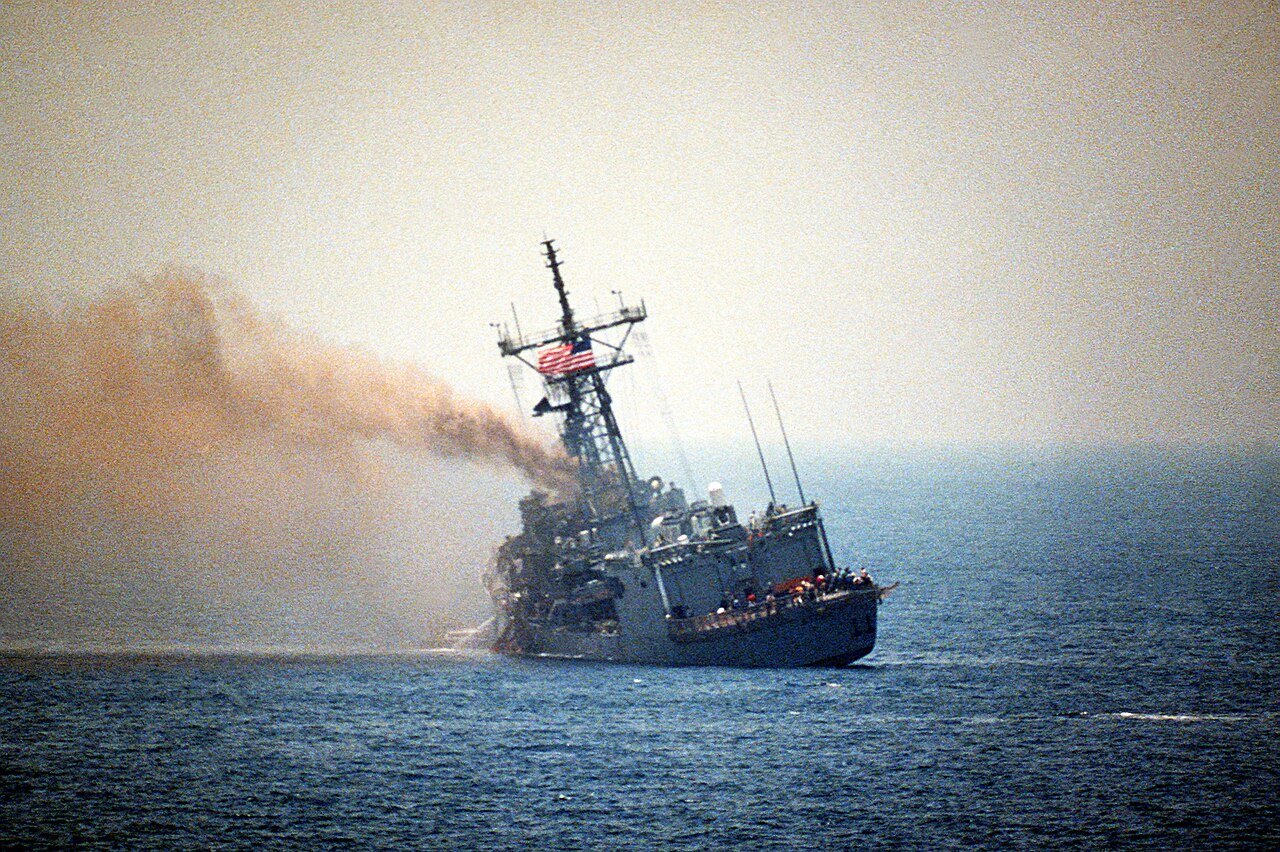
At the same time, U.S. destroyers carry Tomahawk cruise missiles, capable of striking targets hundreds of miles away, allowing naval forces to respond quickly against hostile launch sites or coastal installations.
Recent reports indicate that the wider Iran-U.S. conflict has already involved missile strikes, naval clashes, and disruptions to shipping routes across the region.
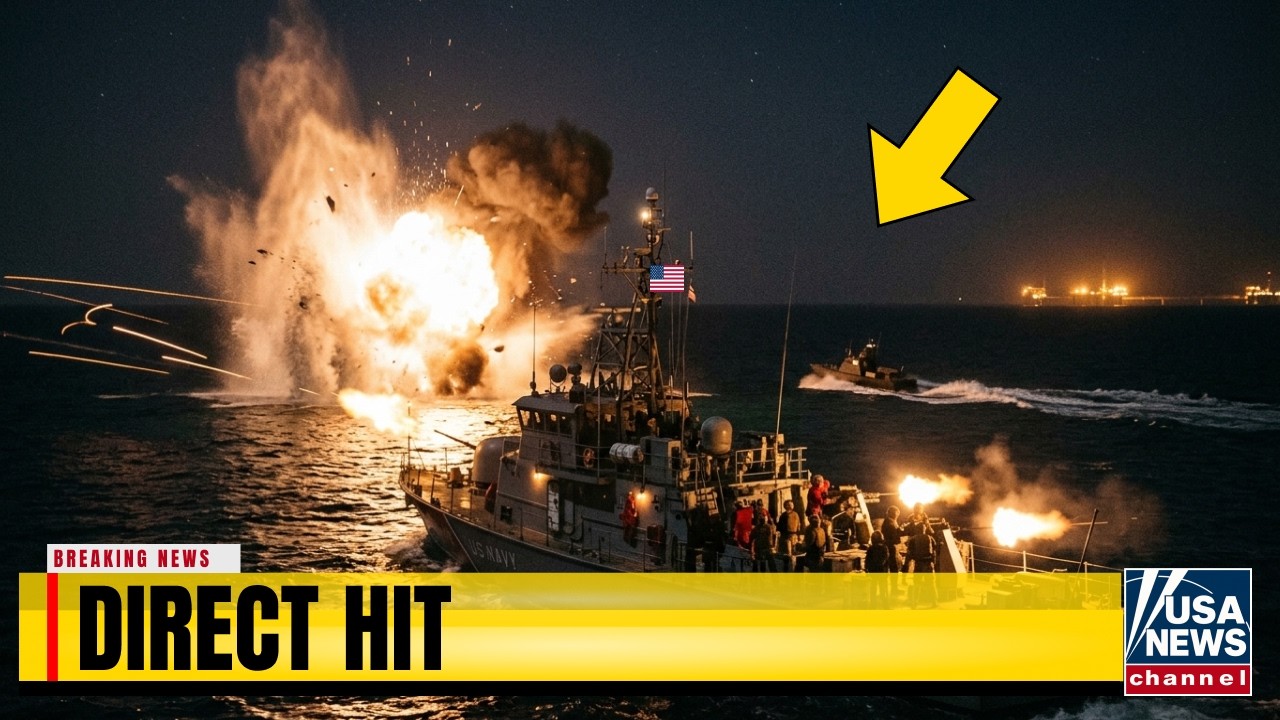
While dramatic missile-attack scenarios remain theoretical, they highlight a key reality of modern naval warfare: survival at sea can depend on seconds of reaction time, advanced sensors, and layered defense systems.
In one of the world’s most volatile waterways, those seconds can mean the difference between a near miss—and a global crisis. ⚓🚀🔥