The Herd Closed In: How Elephants Protect Their Newborns
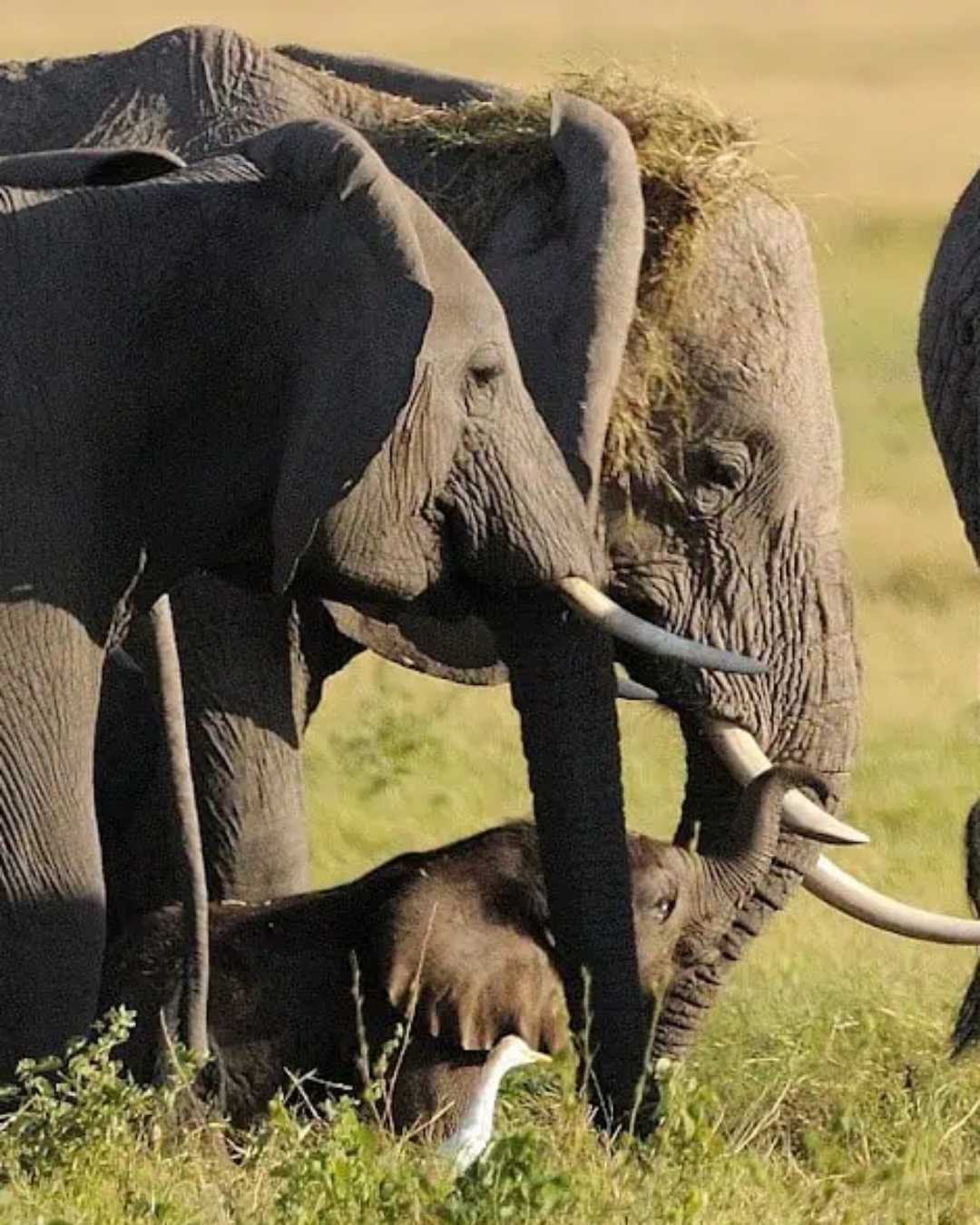
A female elephant was giving birth—and the herd immediately closed in around her.
One by one, the other elephants stepped closer, forming a living wall of tusks, strength, and protection. Their massive bodies surrounded the mother, creating a barrier between her vulnerable moment and the dangers of the wild.
They understood the risk.
Birth is loud.
Birth carries blood.
And in the wild, blood carries scent.
Scent brings predators.
The herd knew exactly what was at stake.
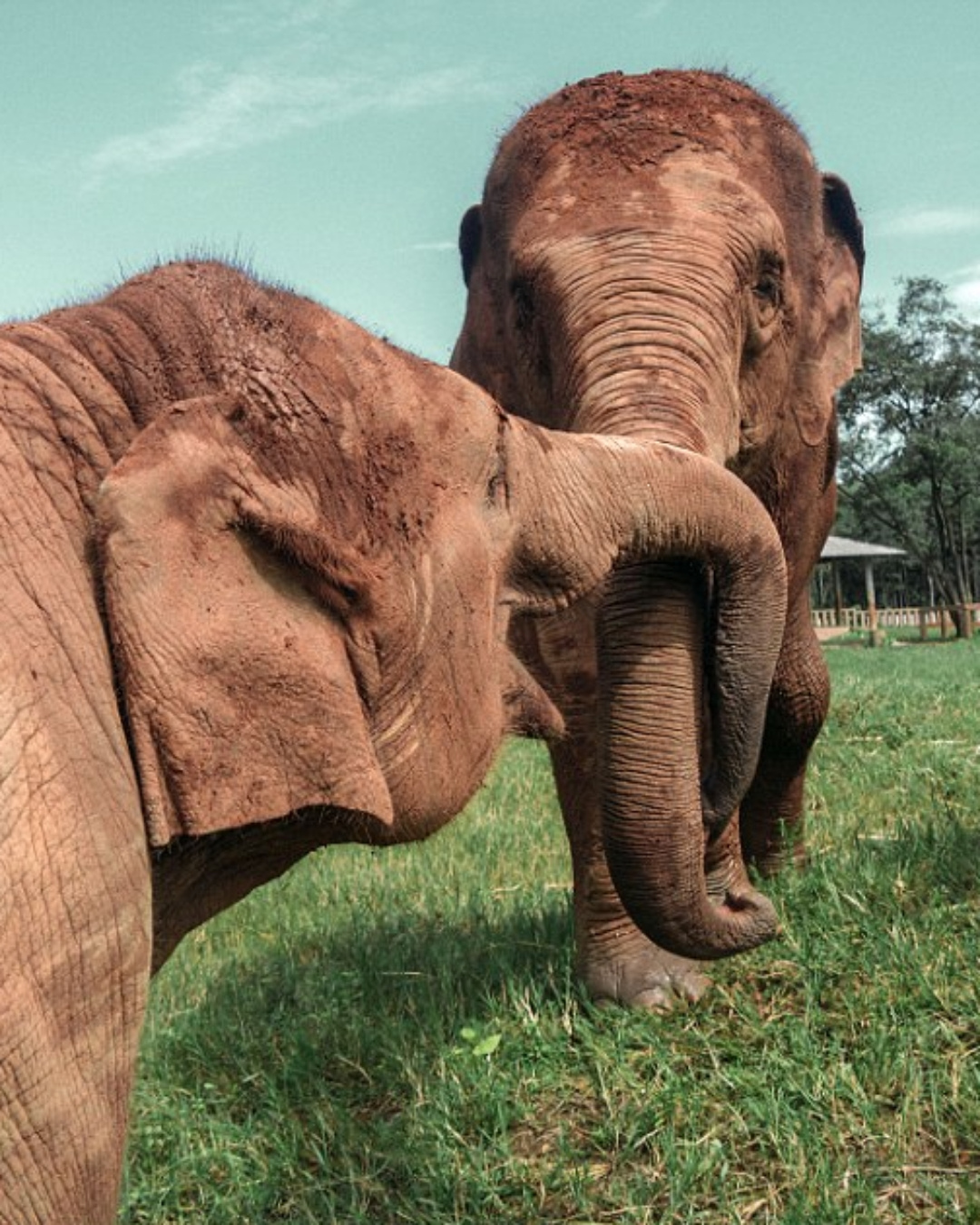
So they stood together, shoulder to shoulder, guarding the mother while she focused on bringing new life into the world.
At last, the calf arrived.
Small, fragile, and still unsteady, the newborn struggled to find its footing. Its tiny trunk reached out into the air, searching for balance and comfort in a world it had only just entered.
For a moment, it wobbled.
Then the herd responded.
The elephants began to nudge gently and rumble softly, guiding the calf with patient encouragement. Their deep vibrations—felt through the ground—were like a quiet chorus telling the newborn it was safe.
Slowly, the calf pushed its legs beneath its body.
It trembled.
It tried again.
And finally, it stood.
The tiny elephant leaned toward its mother, finding warmth and nourishment as it reached her milk for the first time.
Around them, the herd remained close—still watching, still protecting.
Because in the wild, survival is rarely the work of one.
No single elephant saved that life.
They did it together.