4 Iranian Submarines Attack US Navy Ship
- NgoPhong
- March 10, 2026
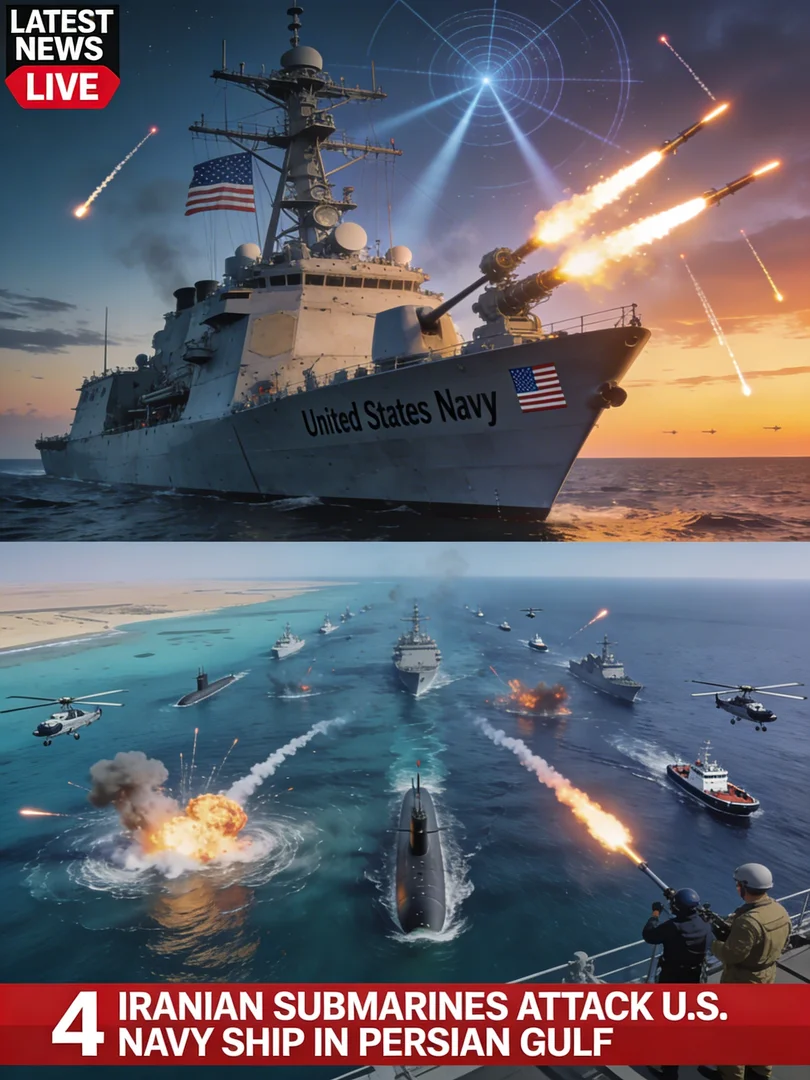
The Persian Gulf at night often appears calm and quiet. The dark water reflects the distant lights of oil tankers moving slowly along shipping lanes that carry energy supplies to much of the world. But beneath this peaceful surface lies one of the most closely monitored maritime regions on the planet, where warships, submarines, and aircraft constantly track one another in a complex contest of surveillance and counter-surveillance.
On one such night, several Iranian Kilo-class diesel-electric submarines began a carefully planned maneuver deep beneath the water. These submarines are designed for stealth. When running on battery power rather than diesel engines, they produce very little noise, making them difficult to detect with sonar. Iran operates several Kilo-class boats as part of its navy, including vessels like the IRIS Taregh, which can carry torpedoes, mines, and cruise missiles.
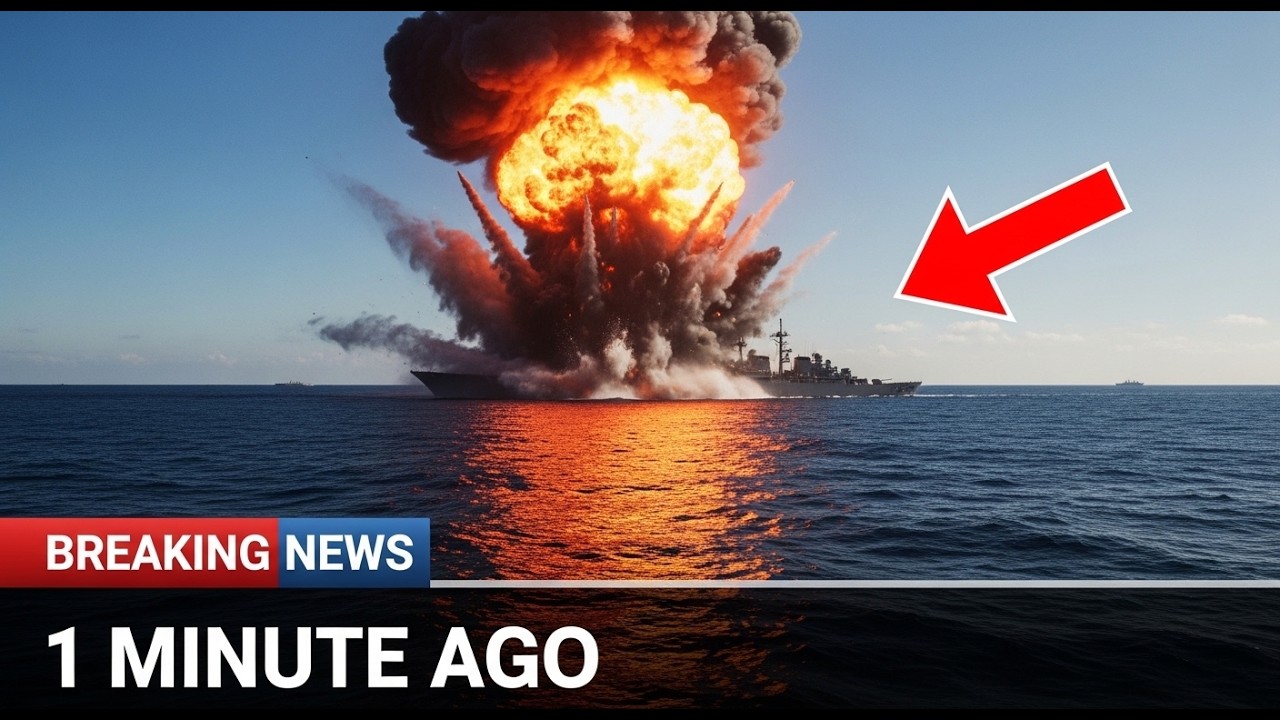
Shortly after midnight, the submarine crews reduced power and shut down non-essential systems. Communication inside the vessels became minimal, sometimes relying on hand signals to keep noise levels low. The submarines slowly moved through layers of water with different temperatures—thermal layers that can bend sound waves and help conceal underwater movement.
Their target was a U.S. Navy cruiser conducting patrol operations in international waters. American warships frequently operate in the Persian Gulf to maintain open shipping lanes and demonstrate freedom of navigation, a mission that has often led to tense encounters with Iranian forces.
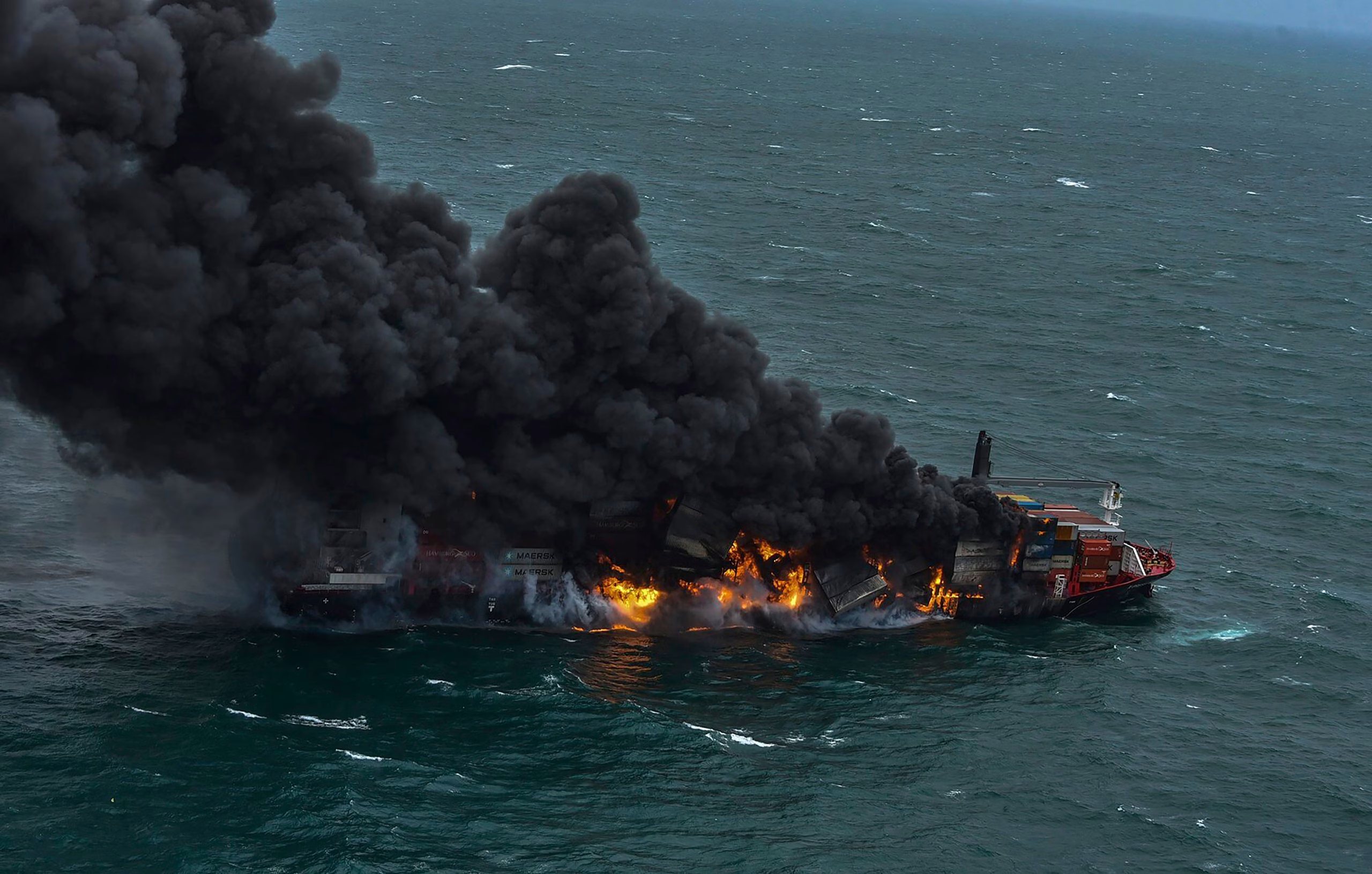
Unbeknown to the submarine crews, the area was already being monitored from above. A U.S. Navy P-8A Poseidon maritime patrol aircraft circled high overhead, scanning the ocean with radar and deploying sonobuoys—small floating sensors that listen for underwater sounds. These aircraft are specifically designed to track submarines and other maritime threats across large areas of ocean.
As the submarines moved into attack positions, subtle changes in their acoustic signatures were detected by the sensors. Within minutes, analysts aboard the aircraft recognized that the submarines were no longer simply patrolling—they were maneuvering for a coordinated strike.
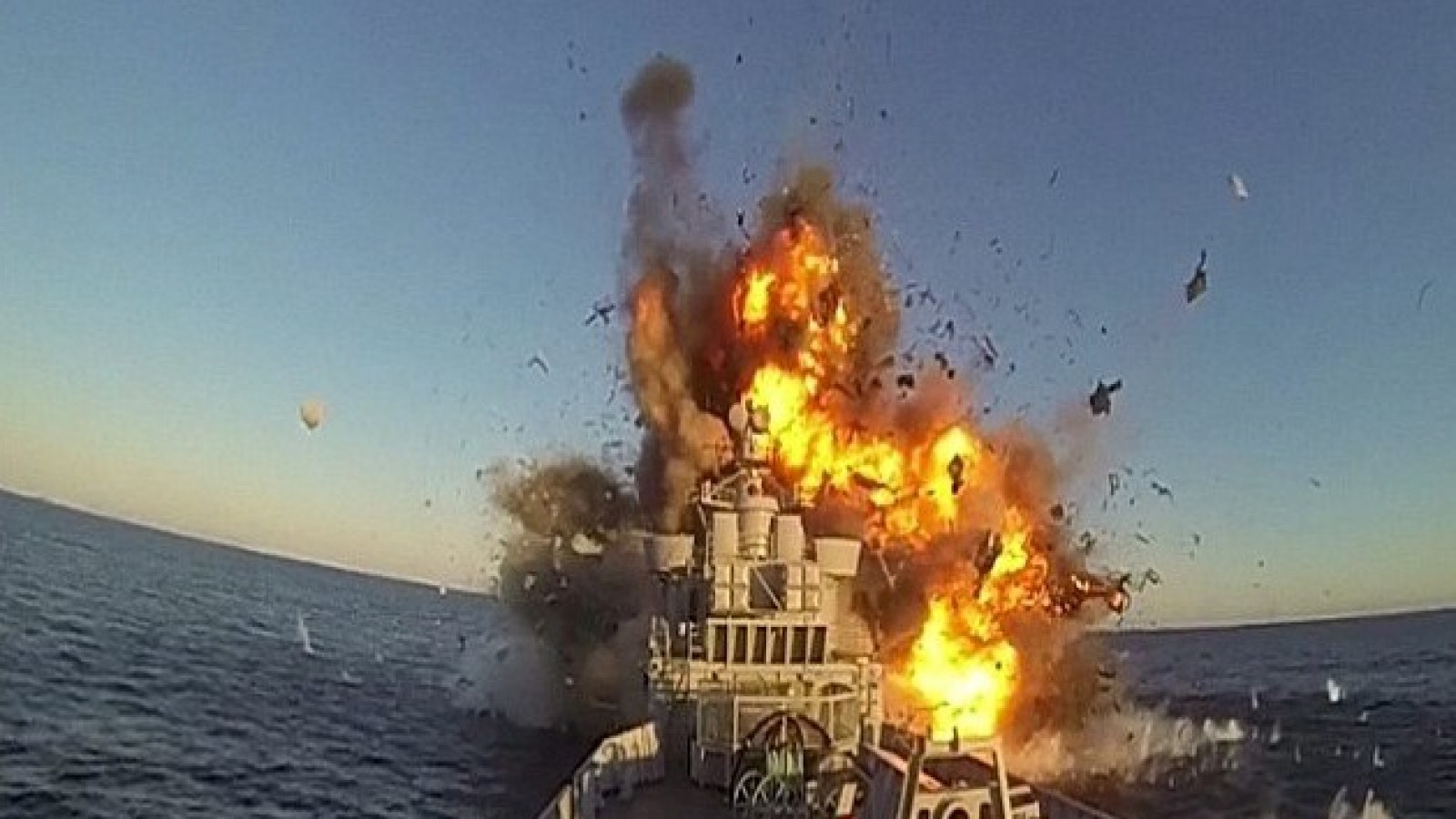
What followed was a tense underwater confrontation that demonstrated a central truth of modern naval warfare: in heavily monitored waters like the Persian Gulf, no vessel truly operates alone. Networks of aircraft, ships, and submarines can turn the ocean into a battlefield of invisible sensors—where the hunter can quickly become the hunted.