THE ARCHITECTURE OF RESILIENCE: STRENGTH IN THE STILLNESS ♿✨💙
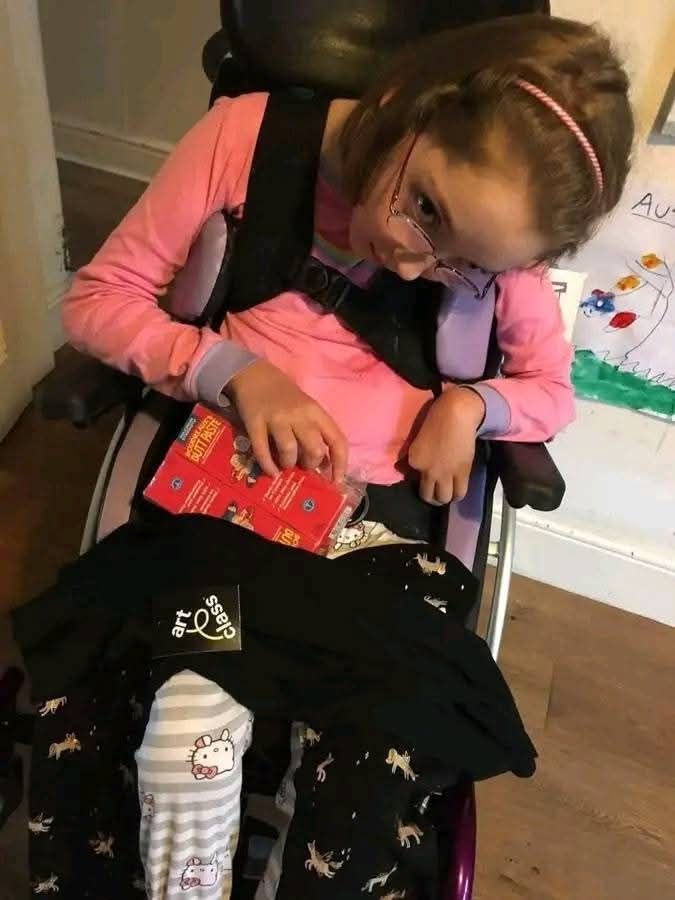
THE ARCHITECTURE OF RESILIENCE: STRENGTH IN THE STILLNESS ♿✨💙
1. The Invisible Effort
When we see a child in a wheelchair, we often see the “chair” first. But behind the equipment is a neurological and muscular battleground. For children with conditions like Cerebral Palsy (which affects approximately 1 in 345 children in the U.S.), a simple task like reaching for a cup involves a complex coordination of muscles that may be firing sporadically or with excessive tension. What looks like a “small movement” to an observer is often the result of intense concentration and caloric expenditure.
2. The Re-Definition of “Victory”
In a world obsessed with milestones—walking by 12 months, running by age two—this child creates her own metric of success.
-
Independence: Opening a snack container isn’t just about food; it’s about the autonomy of the soul.
-
Communication: Using a gaze, a sound, or an assistive device to say “I’m here” is a more profound use of language than a thousand empty words.
-
Stamina: Staying “Present” and “Focused” while dealing with physical discomfort or fatigue is a level of mental discipline most adults never achieve.
3. The “Slow” Genius
You noted that the world doesn’t always need people who move fast. There is a “quiet genius” in the slow pace. Because she cannot race across the playground, she often observes more. She feels the wind differently. She understands the value of a single, steady breath. She teaches those around her patience—a virtue that is often discarded in the rush of modern life.