🕊️ A MOMENT BEYOND CEREMONY — VATICAN CITY WITNESSES SOMETHING TRULY PERSONAL POPE LEO XIV CHOSE TO READ A DEEPLY PERSONAL LETTER WRITTEN EXACTLY ONE YEAR EARLIER — ON THE DAY HE WAS ELECTED AS THE 267TH LEADER OF THE CATHOLIC CHURCH ✨
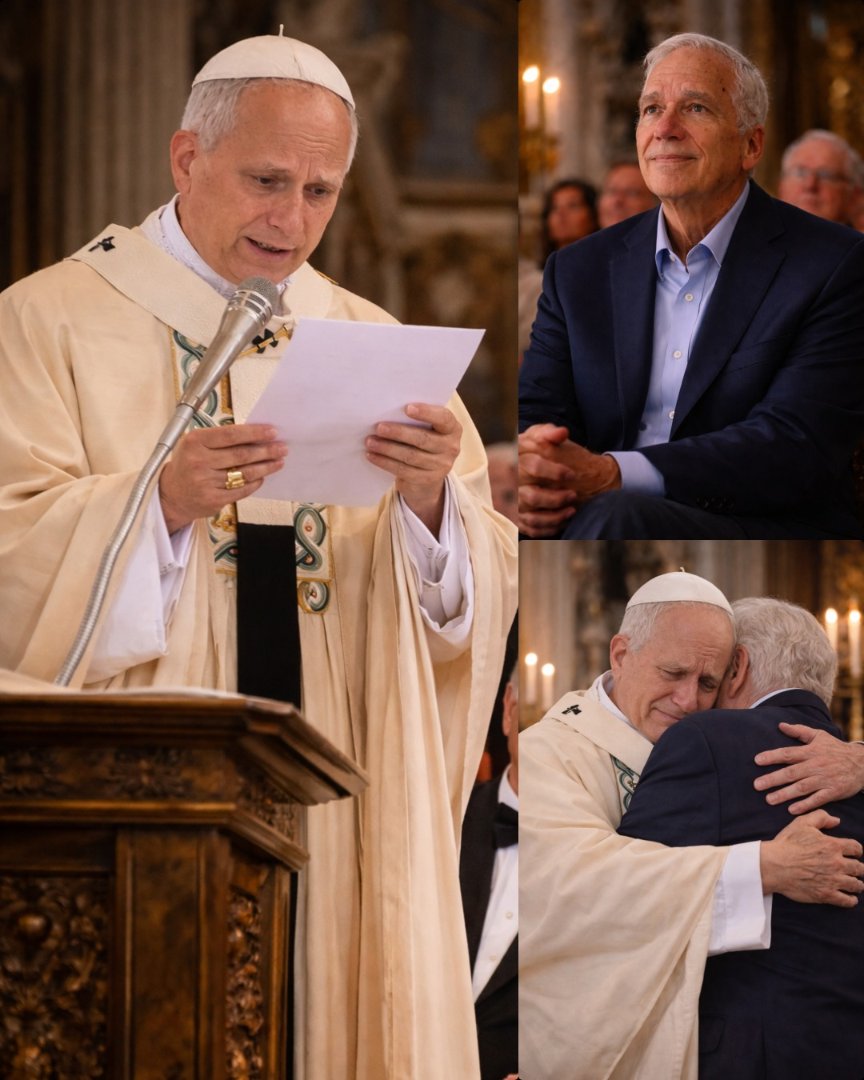
The setting was not a grand balcony or a crowded square, but a quiet chamber within the Apostolic Palace where only a few close individuals were present.
Among them was John Joseph Prevost, seated not in any official capacity, but simply as family, sharing in a moment that transcended titles and tradition.
One year earlier, on the day white smoke rose above the Sistine Chapel, signaling the election of a new pope, a letter had been written in private.
It was not addressed to the world, nor to the Church, but to the man himself — a reflection of the responsibility, fear, faith, and hope that came with accepting such an immense role.
The letter was sealed that same day, deliberately set aside, with the intention that it would only be opened after one full year of living the papacy.
That decision, according to sources close to the Vatican, was meant to allow time to test whether the words written in that moment of overwhelming transition would still hold true after experiencing the reality of leadership.
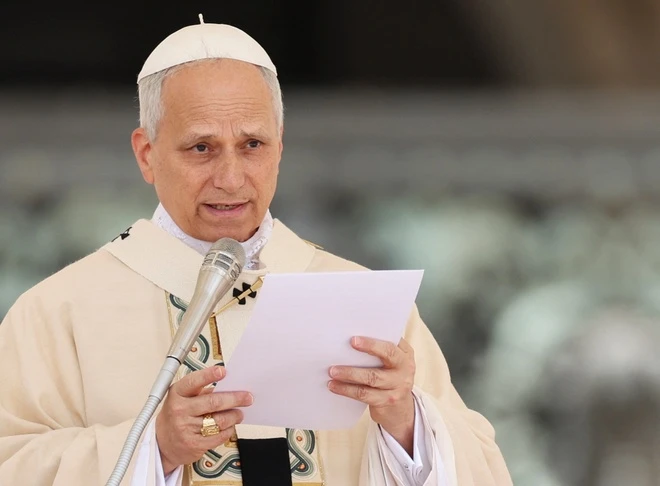
Now, exactly one year later, Pope Leo XIV stood holding that same letter in his hands.
The room was silent, not out of obligation, but out of genuine anticipation for something deeply human behind the symbolism.
When he began to read, his voice was steady, yet carried a quiet emotional weight that could not be rehearsed or performed.
The first lines of the letter spoke of uncertainty, acknowledging the fear he felt at the moment of his election.
He read about the doubt that had crept into his mind, questioning whether he was truly worthy of leading over a billion Catholics worldwide.
There were passages about sleepless nights, about the burden of knowing that every decision could impact millions of lives.
Yet alongside that fear, the letter also carried a strong sense of faith, a belief that he had not been chosen randomly, but called to serve with purpose.
As he continued, the tone of the letter shifted toward hope and commitment
It described promises he had made to himself — to lead with humility, to listen before speaking, and to remain grounded despite the immense authority of his position.
There were also reflections on compassion, emphasizing the need to prioritize people over politics and mercy over judgment.
Each sentence he read felt less like a historical document and more like a conversation between two versions of himself — the man who had just been elected, and the man who had lived through a year of leadership.
Observers in the room later described the atmosphere as profoundly moving, not because of dramatic gestures, but because of the honesty in every word.
When Pope Leo XIV reached the midpoint of the letter, his tone subtly changed.
He began to reflect on the reality of the past year, comparing the expectations written in the letter with what had actually happened.
He acknowledged moments where he had succeeded in staying true to those promises.
But he also openly admitted to moments where he had fallen short.
This admission, according to those present, was what made the moment truly powerful.
It was not a perfect narrative of triumph, but a transparent account of growth, struggle, and perseverance.
As he approached the final section of the letter, the words returned to a tone of quiet determination.
The letter ended with a simple yet profound reminder to himself: to never lose sight of why he accepted the role in the first place.
After reading the final line, Pope Leo XIV paused.
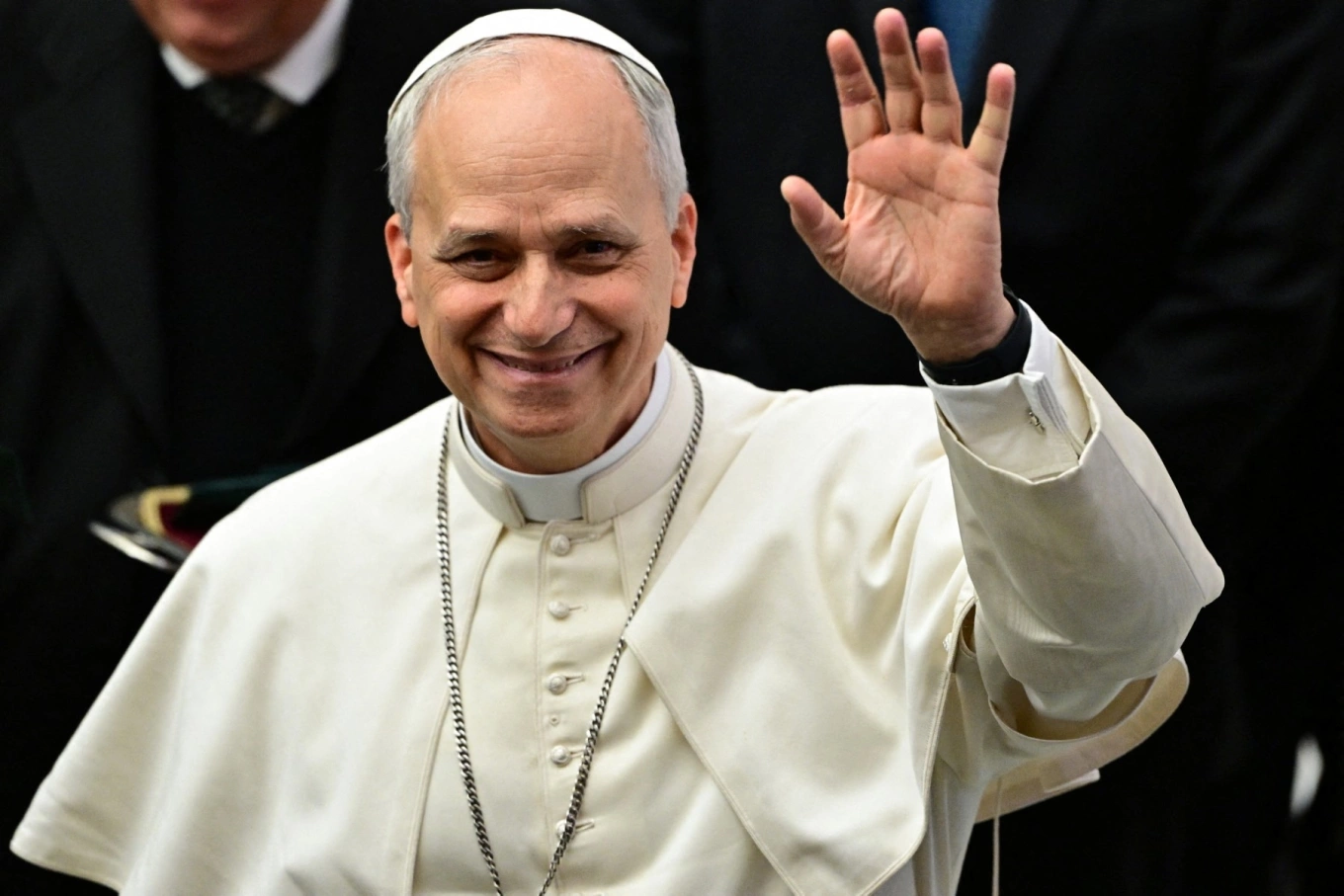
He lowered the letter slightly, holding it in both hands, as if weighing not just the paper, but everything it represented.
The silence in the room deepened, as everyone sensed that the moment was not yet complete.
Then, without looking at the letter again, he spoke.
He said that after one year, he now understood that the role of the pope was not about fulfilling expectations perfectly, but about remaining faithful despite imperfection.
He stated clearly that the letter had not been a set of promises to achieve flawlessly, but a guide to return to whenever he felt lost.
He turned slightly toward John Joseph Prevost and acknowledged the importance of family and personal grounding in a life that could easily become consumed by responsibility.
He then added that the most important realization he had gained over the past year was that leadership, at its core, is an act of service rather than authority.
His final words were simple, yet carried undeniable weight.
He said that if he could write the letter again today, he would not change the fears or doubts expressed in it.
Instead, he would only add one line — that those fears were not weaknesses, but necessary parts of becoming who he was meant to be.
With that, the moment concluded not with applause or ceremony, but with a quiet understanding among those present that they had witnessed something rare.
It was not a performance, nor a symbolic gesture for the public.
It was a deeply personal reflection made visible, offering a glimpse into the humanity behind one of the most powerful spiritual roles in the world.
In a place defined by tradition and structure, Pope Leo XIV had created a moment defined by honesty and introspection.
And in doing so, he reminded everyone in that room — and perhaps far beyond it — that even the highest positions are still carried by human hearts.