The Silent Chandelier: The Night Barron Trump Broke the Room’s Composure
The Silent Chandelier: The Night Barron Trump Broke the Room’s Composure
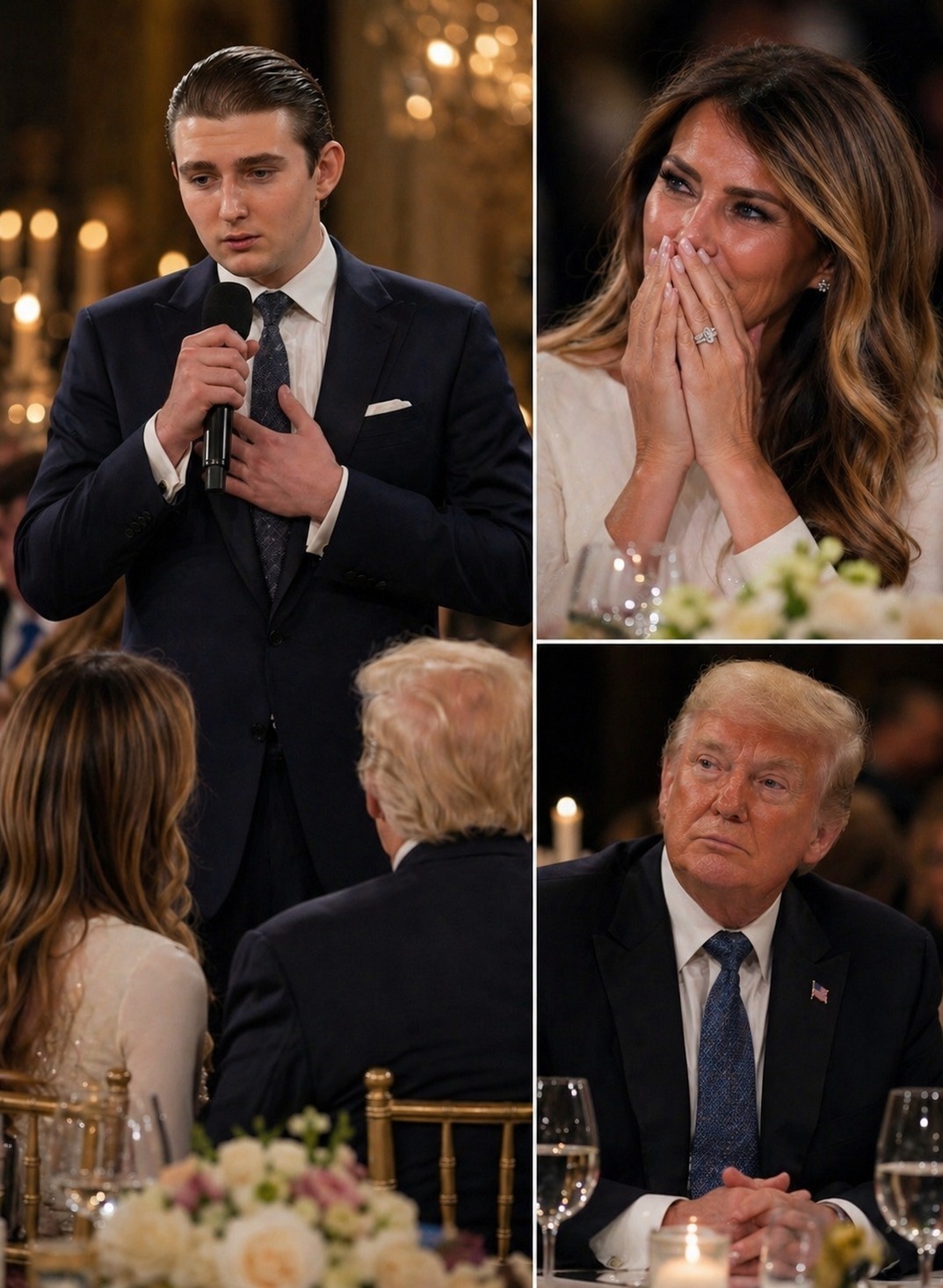
The air within the private dining room was thick with the scent of lilies and the hushed tones of elite conversation. It was an evening dedicated to Melania Trump, a celebration of another year marked by the relentless scrutiny of the global stage. The setting was one of predictable elegance, where every gesture is typically calculated and every word measured. Yet, as the dinner progressed, the atmosphere underwent a sudden, seismic shift. Barron Trump, often characterized by his quiet reserve and towering height, stood up to speak. In that moment, the clinking of silverware ceased, and the room fell into a vacuum of total stillness.
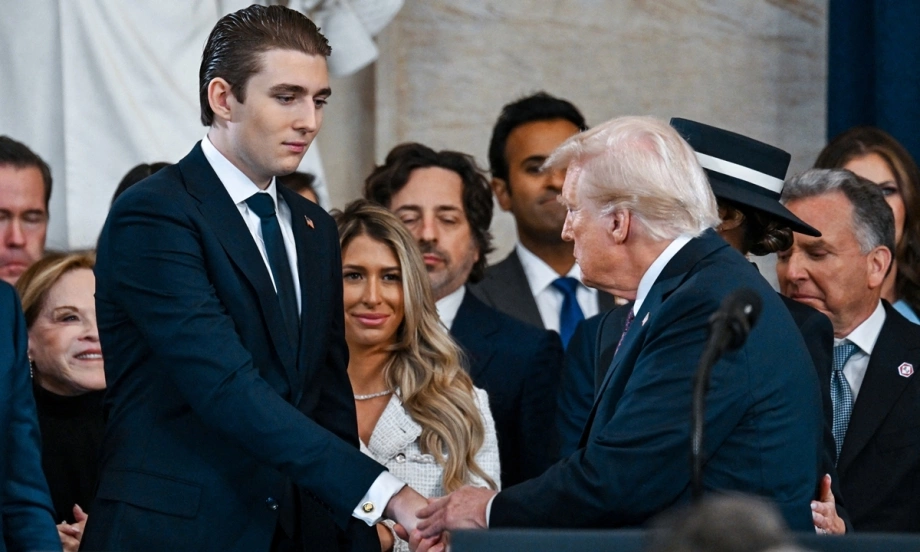
Barron began with a slight hesitation, a rare vulnerability from a young man raised in the eye of a political hurricane. He made a small, unguarded gesture toward his parents—a movement so personal and devoid of artifice that it seemed to strip away the years of public persona surrounding the family. As his voice carried through the room, the impact was immediate. Melania, known for her stoic and composed demeanor, found her defenses dissolving. An overwhelming wave of emotion rose within her, visible in the way her gaze locked onto her son. She would later confess to close associates that she had not felt such a profound sense of movement in years. This was not a scripted tribute; it was a raw collision of memory, shared struggle, and the fierce bond of family.
Beneath the crystalline glow of the chandeliers, time appeared to lose its forward momentum. The space, which moments prior had been a venue for polite social exchange, transformed into a sanctuary of private truth. Donald Trump, seated directly across from his son, remained uncharacteristically silent. Those present noted a visible softening in his features—a stillness in his posture that betrayed a rare internal shift. For a fleeting interval, the former president was not a public figure or a political force; he was simply a father, visibly shaken and profoundly humbled by the words of his youngest son.
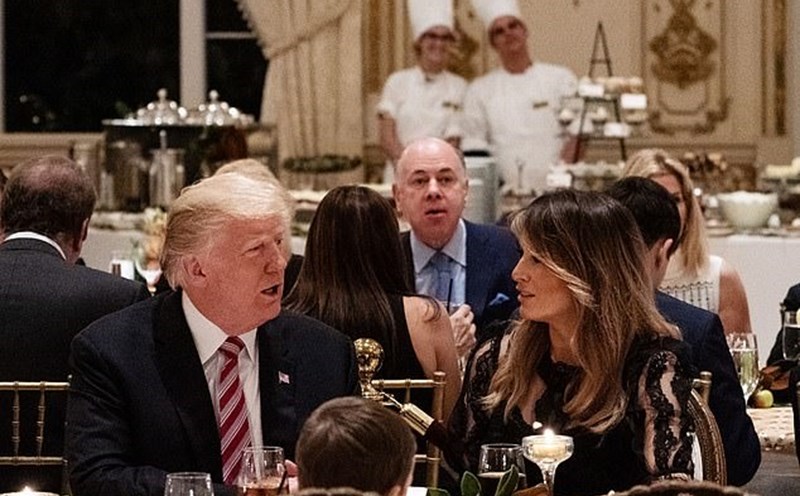
In that singular instant, the invisible barrier between the family’s high-profile public life and their private emotional reality quietly evaporated. The room remained suspended in a heavy, tender silence where no one dared to interrupt. It was a realization of the weight they had collectively carried, articulated by the one member of the family who had spent the most time shielded from the microphone. When Barron finished, there were no immediate cheers, only the sound of a family reclaiming a moment of humanity. It was a night that left every witness changed, proving that even in lives defined by grandiosity, the most powerful force remains the quiet, honest connection between a parent and a child.