
A GLOBAL CALL TO ACTION: HOW POPE LEO XIV AND JOHN JOSEPH PREVOST TURNED FAITH INTO A $150 MILLION HOMELESSNESS INITIATIVE8!
The announcement did not arrive with spectacle or dramatic buildup.
There were no flashing headlines in advance.
No signals that something of this scale was about to be revealed.
Instead, it came quietly.
A formal statement released through official Church communication channels.
Within minutes, it spread across the world.
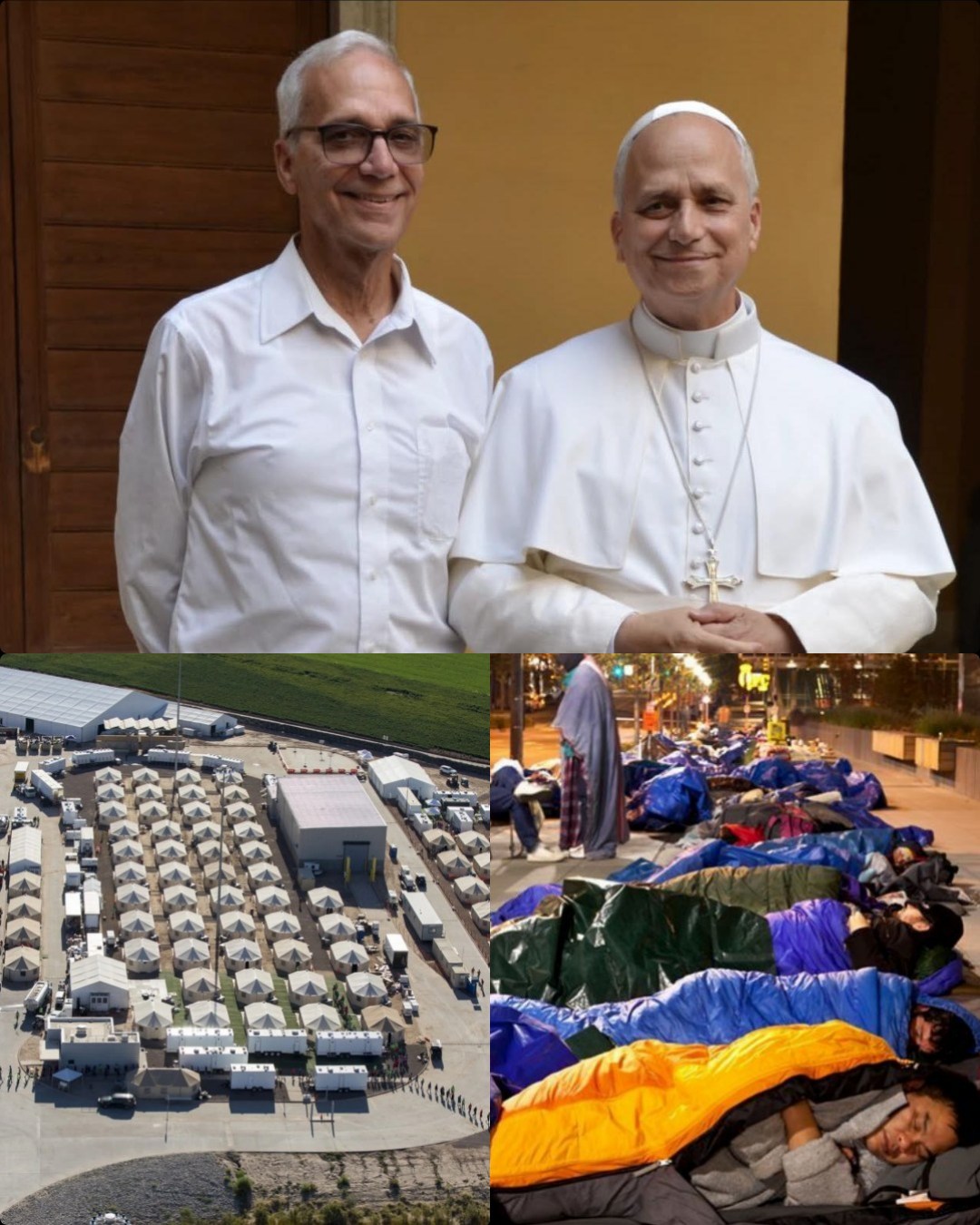
At the center of it were Pope Leo XIV and John Joseph Prevost.
Two figures whose roles were rooted in faith, but whose message that day extended far beyond it.
They announced a commitment of $150 million.
Not for expansion.
Not for institutional development.
But for people.
Specifically, for those living without stable housing.
The plan was direct and clearly defined.

The funds would support the creation of 250 permanent housing units.
In addition, 500 shelter beds would be established across regions identified as high-need areas.
This was not framed as temporary relief.
It was structured as long-term support.
A system intended to provide stability, not just immediate assistance.
The scale of the initiative drew immediate global attention.
But it was not just the numbers that stood out.
It was the clarity of purpose.
A shift from message to measurable action.
In a public address following the announcement, Pope Leo XIV spoke with a tone that was calm but deeply personal.
“I’ve seen how poverty erodes dignity,” he said.
His words were simple.
But they carried weight.
“Especially for families, the vulnerable, and those who feel invisible in our society.”
He paused briefly.
Not for emphasis alone.
But as if allowing the meaning to settle.
“If our mission has given us a voice and resources, then we have a responsibility to turn that into action beyond words.”
The message was clear.
This was not charity presented as generosity.
It was responsibility presented as necessity.
“No human being deserves to be forgotten on the streets.”
The statement resonated far beyond the immediate audience.
Across different countries, communities began responding.
Religious groups, humanitarian organizations, and public figures all engaged with the announcement.
For some, it represented leadership in its most practical form.
For others, it raised questions about how such initiatives would be implemented.
John Joseph Prevost played a key role in outlining the structure behind the decision.
His contribution focused on execution.
On ensuring that the initiative would not remain symbolic.
He emphasized partnerships with local organizations.
Coordination with existing support systems.
A framework designed to ensure that resources would be used effectively.
“This is not a single moment,” he stated.
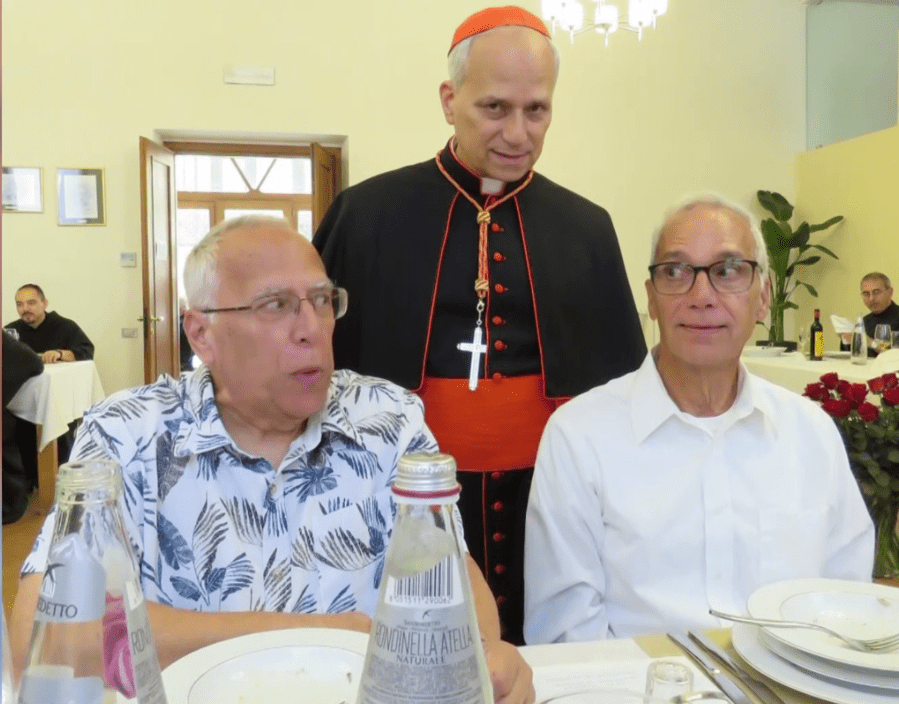
“It is the beginning of a sustained effort.”
The approach was methodical.
Each housing unit planned with long-term sustainability in mind.
Each shelter bed integrated into a broader support network.
Services would extend beyond housing.
Including access to healthcare, counseling, and employment assistance.
The goal was not simply to provide space.
But to provide opportunity.
The response from humanitarian organizations was immediate and largely positive.
Many recognized the importance of sustained funding.
Of initiatives that move beyond short-term relief.
They saw the potential for real impact.
Particularly in regions where resources had been limited.
At the same time, analysts and observers noted the significance of the moment.
This was not just a financial commitment.
It was a statement about priorities.
About the role of institutions in addressing global challenges.
The initiative also shifted public perception.
For many, it reinforced the idea that influence carries responsibility.
That visibility can be used not only to speak, but to act.
Within the Catholic Church, the announcement sparked reflection.
On how faith is expressed in action.
On the connection between belief and responsibility.
On the importance of addressing real-world issues with tangible solutions.
As details continued to emerge, the scale of coordination required became more apparent.
This was not a simple distribution of funds.
It was a structured effort involving multiple regions, organizations, and timelines.
It required planning.
Oversight.
Accountability.
And sustained commitment.
Pope Leo XIV did not frame the initiative as a final solution.
He acknowledged its limits.
But he also emphasized its purpose.
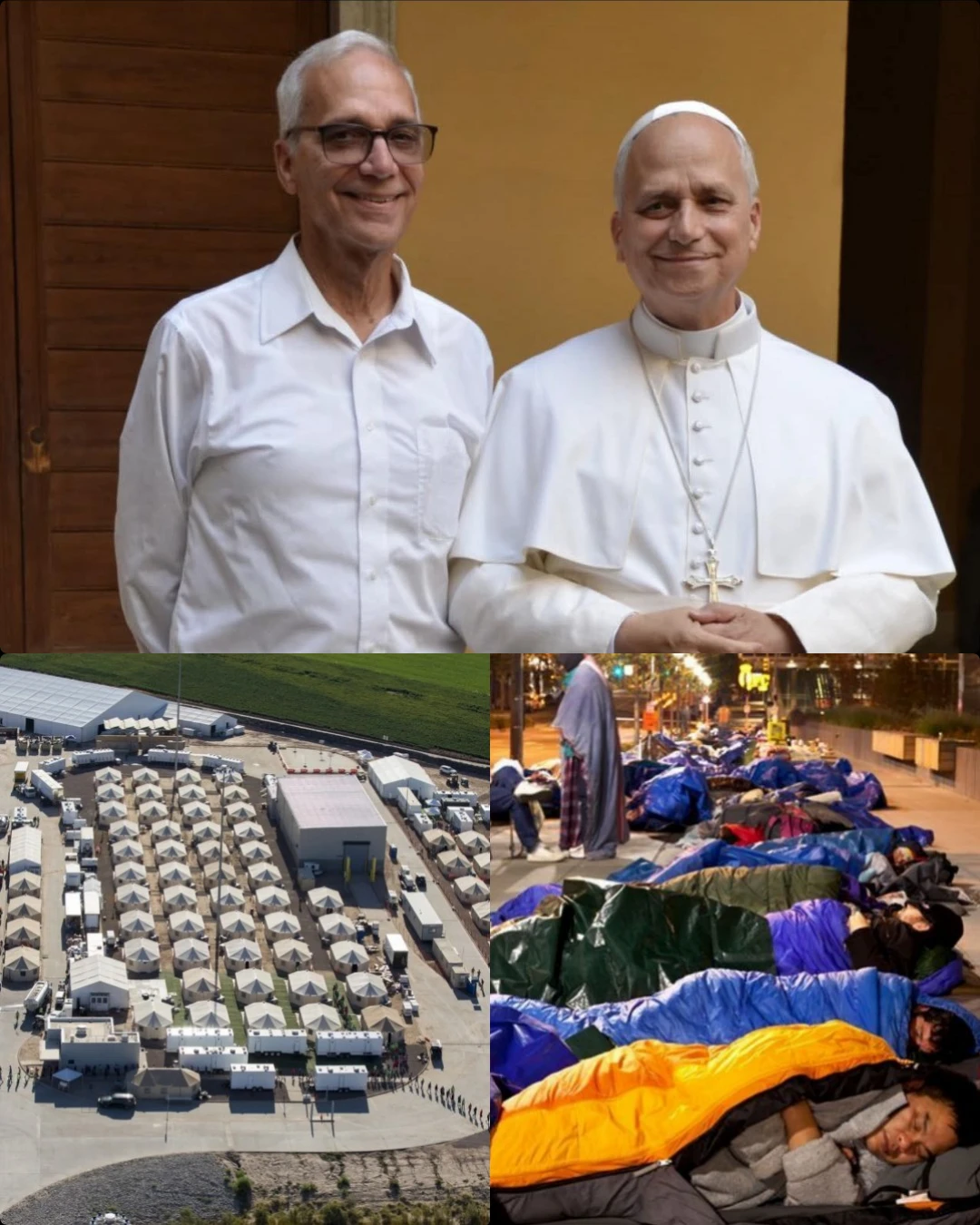
“To begin where we can,” he said.
“To act where action is possible.”
The statement reflected a broader philosophy.
That meaningful change often starts with concrete steps.
Not abstract ideals.
Not distant goals.
But real actions taken in the present.
As the global conversation continued, one thing remained clear.
The announcement had created momentum.
Not just in discussion.
But in expectation.
People began to look beyond words.
To ask what comes next.
To consider how similar efforts could be expanded or replicated.
In the end, the significance of the initiative was not defined solely by its scale.
It was defined by its direction.
A movement from intention to action.
From message to implementation.
For Pope Leo XIV and John Joseph Prevost, the moment marked more than a public announcement.
It marked a commitment.
One that would be measured not by headlines, but by outcomes.
By the number of people who would find stability.
By the lives that would change.
And by the example it set for others to follow.
In a world often defined by complexity and division, the message was simple.
Act where you can.
Help where it matters.
And do not allow those in need to remain unseen.