Intense Birth Photo Shows the Strain of Mom’s Body in Labor
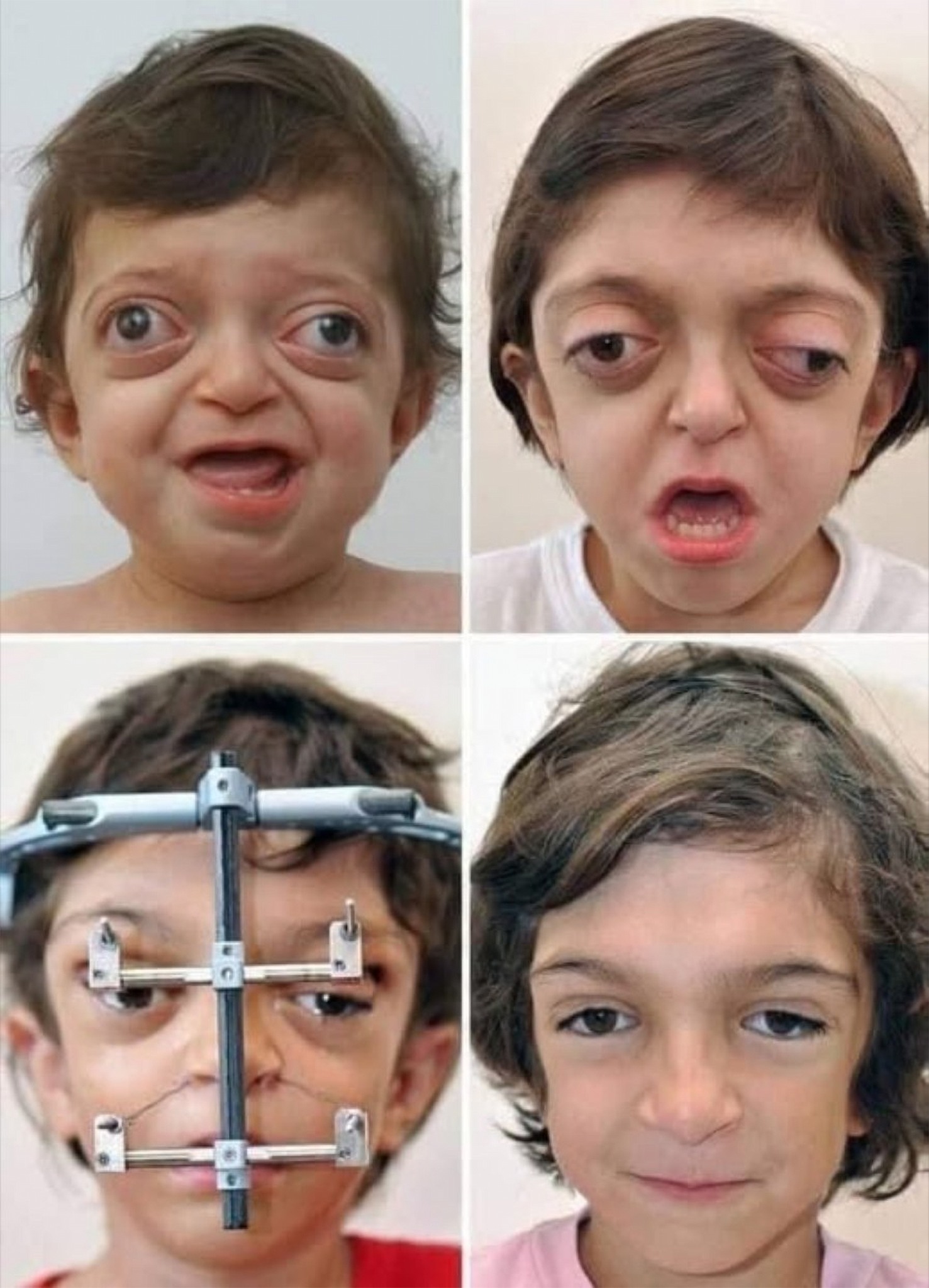
Understanding Crouzon Syndrome: A Critical Medical Journey for Children
Crouzon syndrome is a rare genetic condition that presents significant challenges from the very beginning of a child’s life. It occurs when the sutures, or the fibrous joints between the bones of the skull, fuse prematurely—a process known as craniosynostosis. In a typical infant, these joints remain open to allow the brain to expand and grow at a rapid pace. However, when these bones fuse too early, the brain continues to develop within a rigid, unyielding space, leading to a cascade of physical and neurological complications.
The impact of this premature fusion is far-reaching. As the brain grows against the restricted skull, intracranial pressure begins to build. This pressure can cause severe headaches, developmental delays, and, in some cases, permanent neurological damage if not addressed. Because the skull cannot expand outward normally, it often grows upward or sideways, resulting in the characteristic facial features associated with the syndrome. One of the most visible effects is the shallowing of the eye sockets, which pushes the eyes forward. This can lead to vision problems and difficulties in closing the eyelids completely, leaving the eyes vulnerable to injury and dryness.
Beyond the visible changes to the skull and eyes, Crouzon syndrome often affects the midface, including the nose and upper jaw. A recessed midface can narrow the nasal passages, making breathing a constant struggle for the child. This often leads to obstructive sleep apnea, where the child’s airway becomes blocked during sleep, further impacting their growth and energy levels.
The medical journey for a child with Crouzon syndrome is not about cosmetic alteration; it is a vital mission to ensure they can breathe, see, and grow safely. Treatment typically involves a series of complex surgeries performed by specialized craniofacial teams. These procedures aim to release the fused sutures, expand the skull to relieve pressure on the brain, and reposition the facial bones to open the airways and protect the eyes. Each surgery is a milestone toward a healthier, more stable future, allowing these children to thrive despite the obstacles presented by their condition. Understanding the depth of this struggle is the first step in supporting the families who navigate this challenging path every day.