The Hollywood Divide: Kurt Russell’s Bold Stance Against Jimmy Kimmel
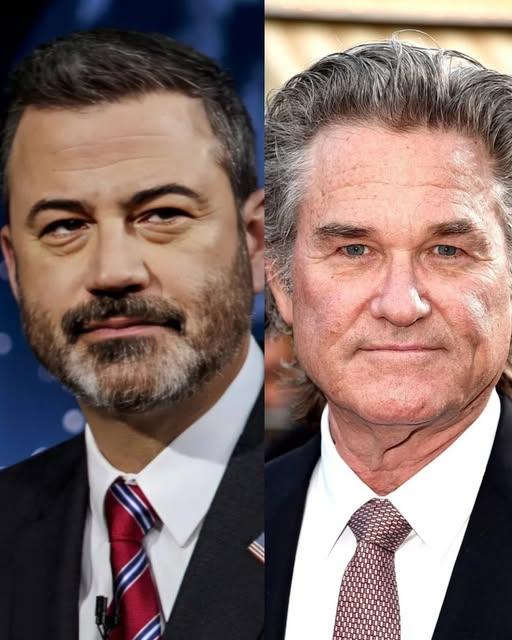
The Hollywood Divide: Kurt Russell’s Bold Stance Against Jimmy Kimmel
The glitz and glamour of Hollywood have been overshadowed by a fierce ideological battle as veteran actor Kurt Russell reportedly ignites a nationwide debate. In a move that has sent shockwaves through the entertainment industry, Russell has publicly called for a boycott of late-night mainstay Jimmy Kimmel. The seasoned actor, known for his straight-talking demeanor, has labeled the host a “toxic presence,” accusing him of weaponizing his platform to deepen the cultural and political divisions currently fracturing American society.
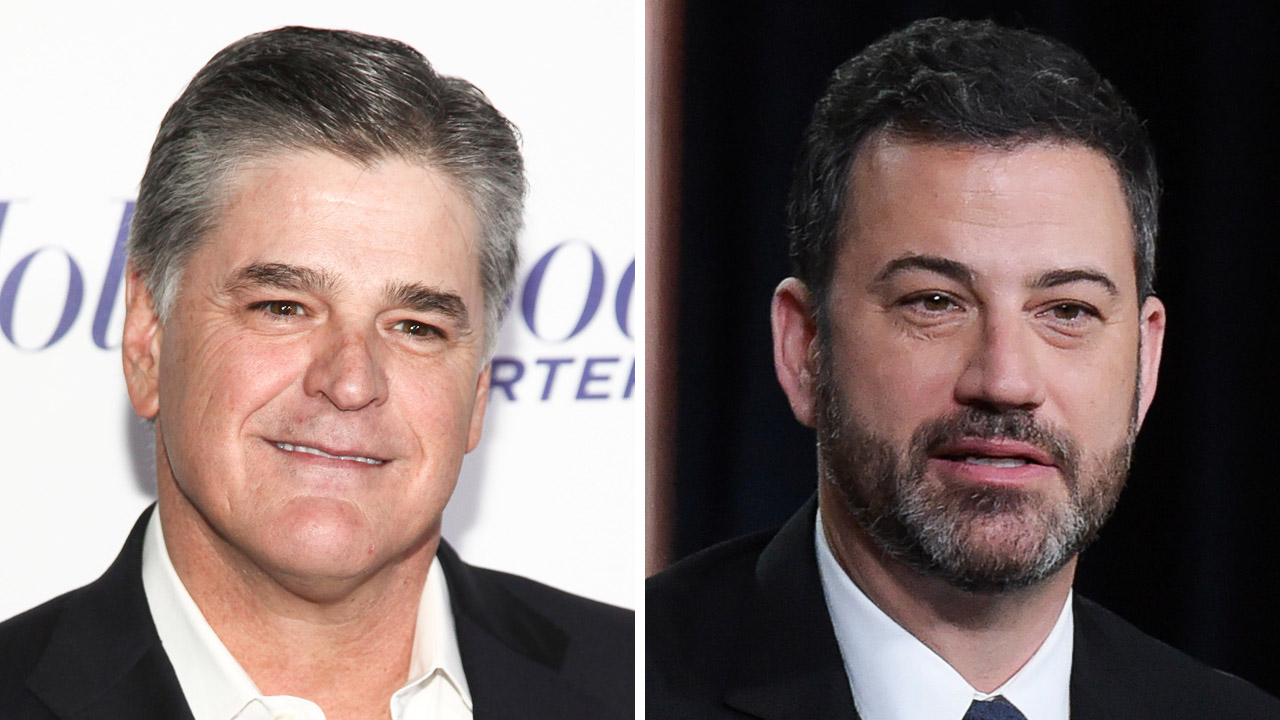
Russell’s critique centers on the evolution of late-night entertainment. He argues that what was once a space for universal humor and nightly escapism has transitioned into a polarizing arena for partisan rhetoric. By questioning whether Kimmel’s brand of influence still holds a constructive place in modern culture, Russell has tapped into a growing sentiment among viewers who feel alienated by the current media landscape. He suggests that when entertainment crosses the line into blatant divisiveness, it loses its fundamental purpose of bringing people together.
The public reaction to Russell’s call for action was instantaneous and deeply divided. Supporters of the actor have rallied behind him, praising his courage for addressing media accountability in an industry that often remains silent. For many, Russell represents a “principled stand” against what they perceive as the unchecked arrogance of media figures who use their reach to lecture rather than entertain. They view the boycott as a necessary tool for audiences to reclaim their influence over the content they consume.
Conversely, critics and defenders of Jimmy Kimmel have fired back, accusing Russell of entering dangerous territory. They argue that calling for a boycott of a public figure over their opinions is a direct threat to free expression and a hallmark of “cancel culture.” From this perspective, Russell’s remarks are seen as another chapter in a celebrity-driven culture clash that only serves to further entrench both sides. They maintain that a host’s right to use their platform for social commentary is a vital part of the American tradition of free speech.
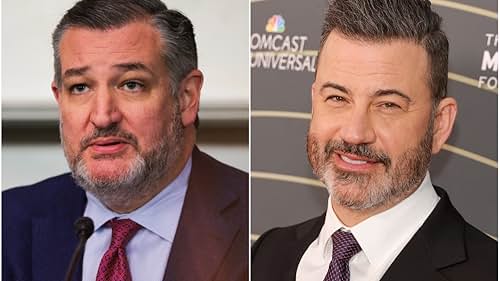
As the controversy continues to explode across social media, it is clear that this is no longer just a disagreement between two famous figures. It has become a lightning rod for a much larger conversation about the responsibility of entertainers, the power of the audience, and the disappearing middle ground in American life. Whether this movement will lead to a significant shift in late-night ratings remains to be seen, but the volume of the debate confirms one thing: the era of “just entertainment” may be over.