
TRUMP’S SHOCKING DECISION TO END PROGRAMS THAT CAUSE PAIN TO ANIMALS PROMPTS WASHINGTON TO HALT PRACTICES THAT HAVE LASTED FOR CENTURIES
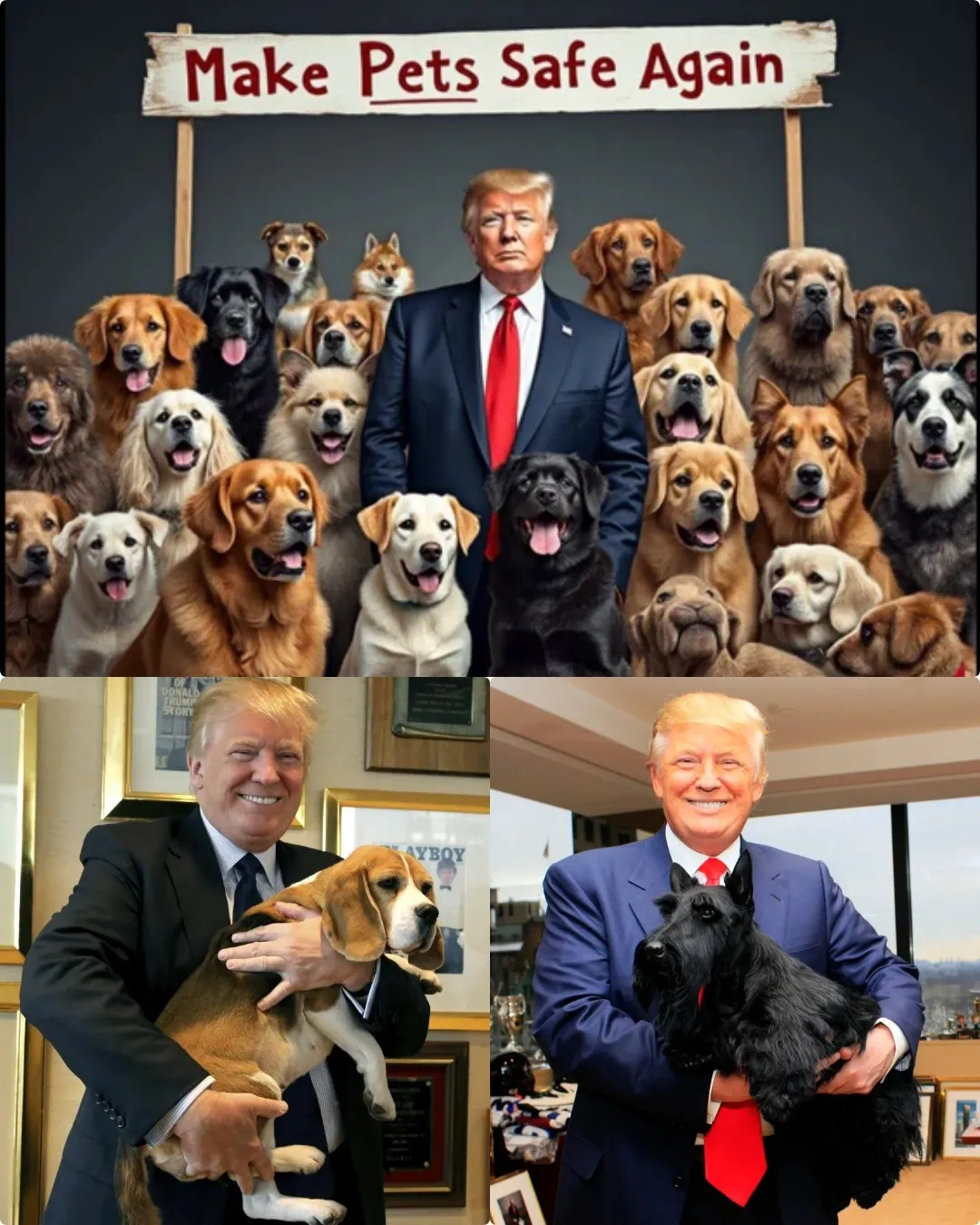
Early one morning in Washington, while most of the country was still asleep, a small team of White House staff gathered in a quiet, windowless conference room. The usual bustle of media coverage, press briefings, and political announcements was entirely absent.
No cameras were rolling.
No press announcements had been scheduled.
At the center of the room sat President Donald Trump, reviewing thick proposals and budget plans. The documents detailed millions of federal dollars previously allocated to programs that involved painful experimentation on animals. For decades, activists had campaigned tirelessly for change, but despite repeated efforts, such sweeping reform had never been realized — until now.
Trump glanced at his advisors and exchanged a few quiet words — nothing rehearsed, nothing recorded. Witnesses later said the message was so unexpected and purposeful that the room fell completely still. There was no applause, no fanfare, just the weight of a decision that would ripple across the scientific and ethical landscape.
By the end of the day, the decision was clear: millions of federal dollars were to be diverted away from programs that inflict pain on animals. Instead, the funds would support ethical research alternatives, humane scientific studies, and programs designed to reduce reliance on animal models.
Supporters of the move spoke without hesitation:
Every dollar cut is a life spared from suffering.
Every dollar diverted is a step away from outdated science.
For decades, activists had lobbied for such reform, writing letters, staging campaigns, and confronting policymakers at every turn. Yet few expected such a decisive move from a sitting president. The shift was unprecedented, both in scale and speed, and it caught the scientific community off guard.
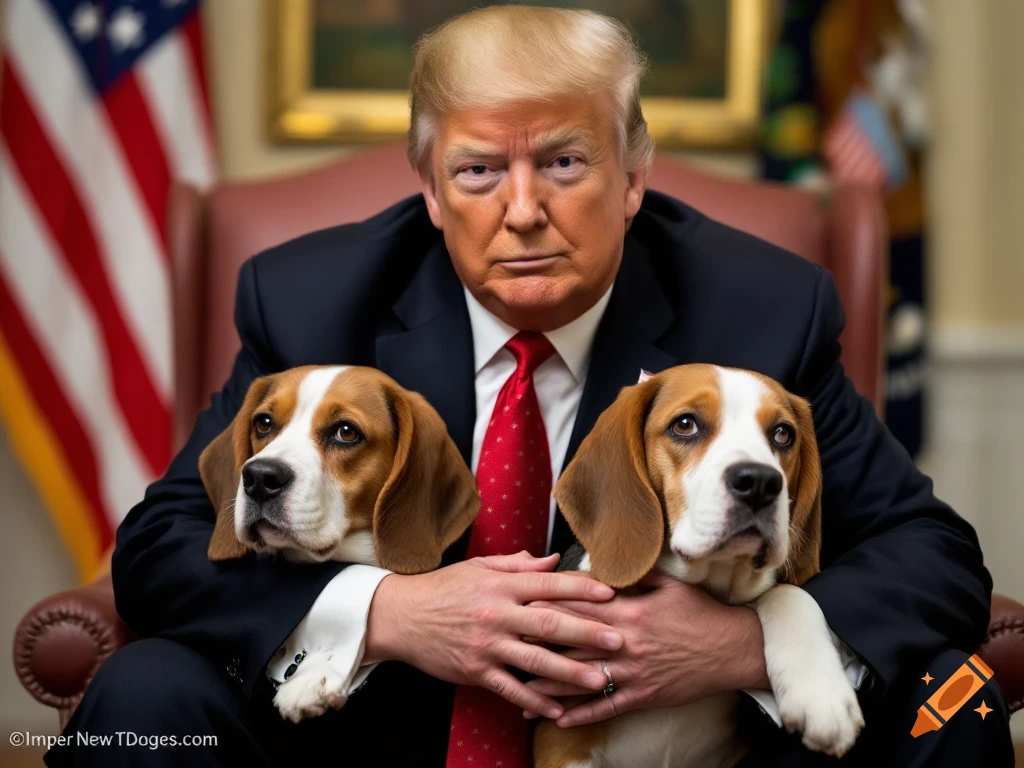
Laboratory researchers expressed a mixture of surprise and cautious optimism. Some worried about disruptions to long-standing programs, while others recognized that the redirection of funds could spur innovation in developing humane testing methods. Across the board, the announcement signaled a new era: one in which ethical considerations would carry weight equal to scientific necessity.
Animal rights organizations quickly celebrated the decision. “This is a moral turning point,” one prominent activist said. “We’ve been advocating for decades, but no administration has ever acted this decisively. The message is clear: animals are no longer considered expendable tools.” Social media echoed this sentiment, trending hashtags like #MoralTurningPoint, #AnimalsMatter, and #TrumpEthics within hours.
Political analysts, too, weighed in. Some noted that the move could appeal to a wide audience, from young voters passionate about ethical science to older Americans who view animal welfare as a fundamental moral issue. Others cautioned against overestimating the impact, noting that animal testing remains in use under federal oversight. Nevertheless, even critics acknowledged that the decision represented a profound cultural shift.

According to insiders, Trump himself had reviewed every proposal personally and gave the green light for the change. His hands-on approach surprised many, as budgetary reallocations are often handled by staff behind closed doors. Yet in this case, the president’s involvement underscored the ethical importance of the decision.
Observers noted that the quiet nature of the announcement amplified its impact. Unlike a staged photo op or a prepared press briefing, the action was deliberate and substantive. The focus was on results, not optics — on tangible change, not political messaging. By choosing discretion over fanfare, the administration allowed the action itself to speak volumes.
The effects were immediate. Laboratories began exploring alternative testing methods with renewed urgency. Federal ethics guidelines were revisited, and public discourse began to question the morality of certain scientific practices. Educators and advocacy groups seized the moment to emphasize humane approaches to research, while funding priorities at universities and private institutions began to shift as well.
For the scientific community, the decision was both a challenge and an opportunity. Researchers were prompted to innovate, to explore alternatives to animal testing, and to consider ethical implications alongside technical outcomes. For activists, the result was a validation of years of effort — a moment in which moral urgency translated into policy at the highest level.

In the broader context, the move sent a message internationally. Animal rights organizations worldwide noted the precedent set by the United States: if one of the world’s leading scientific powers could implement such a shift, other nations might follow. It suggested that ethical considerations in research are no longer optional but integral to responsible governance.
Even months after the decision, its ripple effects continued. New research initiatives emerged, designed specifically to avoid harm to animals. Public attention to animal welfare in science increased, and students, educators, and researchers began questioning long-standing norms. What began as a quiet budgetary adjustment became a catalyst for a broader conversation about morality, science, and leadership.
And while no cameras had captured the moment, no press release had heralded it, the impact was undeniable. The decision reinforced a simple but profound principle: leadership is not always about speeches, headlines, or applause. Sometimes, the quietest choices — the deliberate, thoughtful actions made behind closed doors — carry the greatest weight.
For millions of animals, the decision was immediate and life-saving. For activists and scientists, it represented both a challenge and a hope. And for the nation, it was a reminder that ethical responsibility can, and sometimes must, guide the most powerful decisions.
In the end, what surprised many most was that it was Trump himself who gave the green light, quietly redefining what leadership looks like when moral urgency meets decisive action.