The Reason Behind Kurt Russell’s Boycott Call
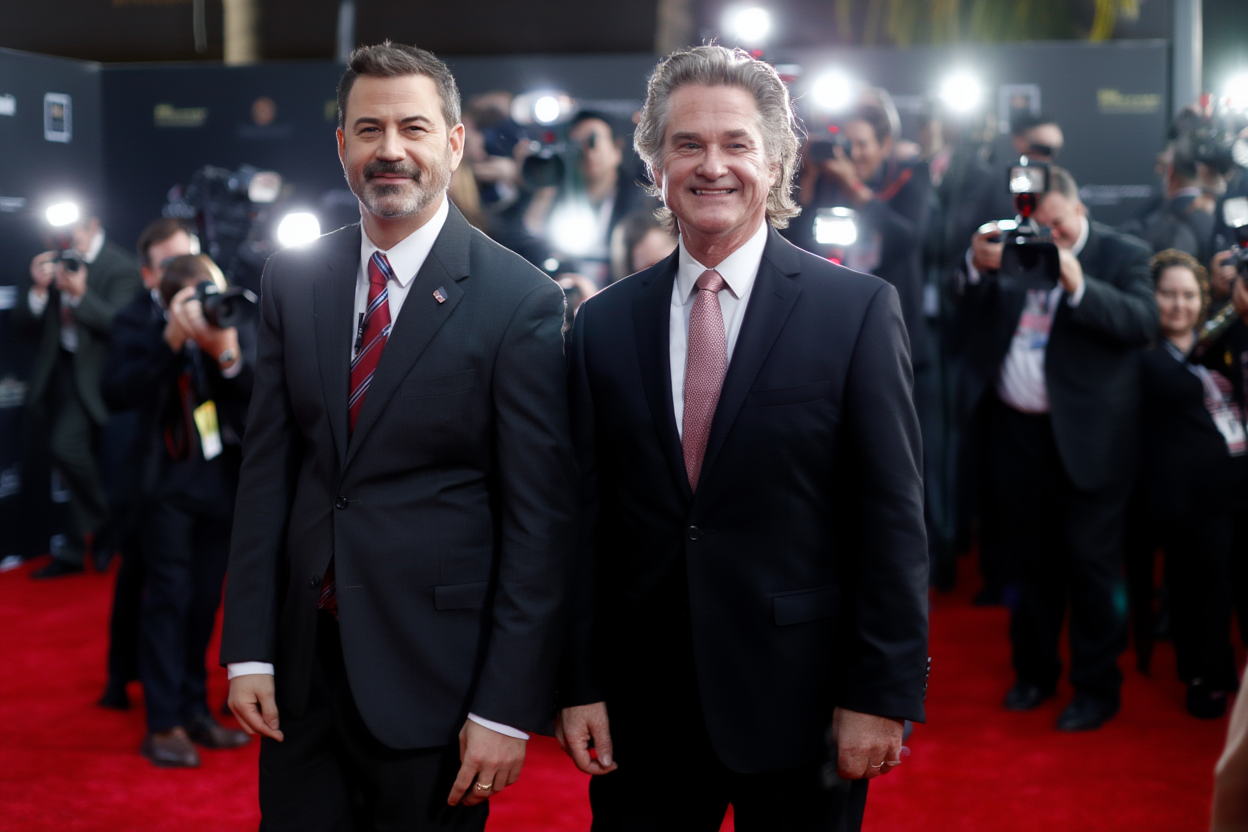
The Reason Behind Kurt Russell’s Boycott Call
In a public statement, Russell labeled Jimmy Kimmel as a “toxic presence” and accused him of using his late-night talk show platform to sow division in the country. His comments reflect a growing sentiment among some conservative voices who feel that certain media figures, including late-night hosts, have become increasingly polarized in their political commentary, often reflecting one side of the aisle while alienating others.
Russell, a long-time Hollywood actor known for roles in films like The Thing and Escape from New York, expressed his concern that entertainment — once a unifying force — has now become a battleground for political ideologies. His words suggest that he believes Kimmel, who is known for his satirical takes on politics, is contributing to a climate of division rather than fostering unity.
What’s the Reaction?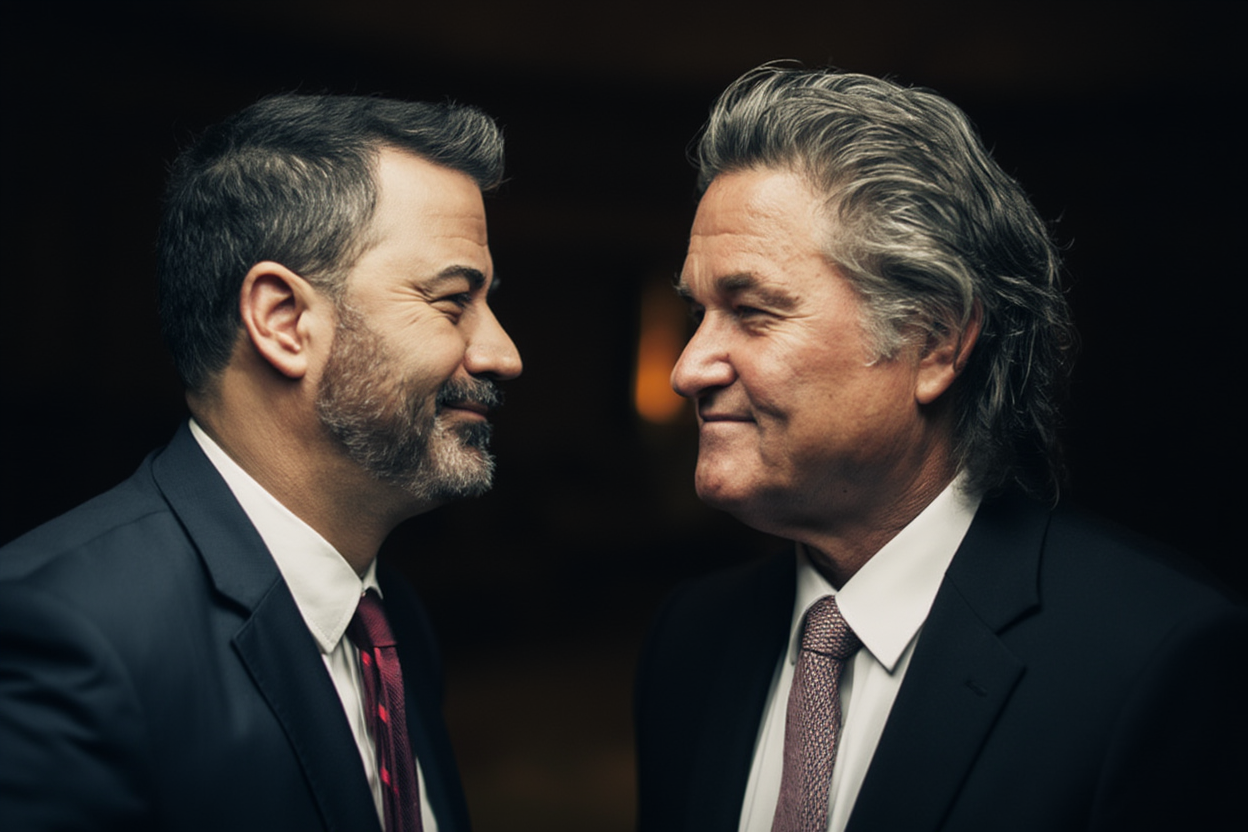
The reaction to Russell’s statement has been swift and polarized. Supporters of the boycott argue that Hollywood needs to be held accountable for its role in shaping public discourse. They believe that Kimmel’s brand of humor, which often includes political commentary, has crossed a line — turning what should be lighthearted entertainment into a platform for social and political agendas.
On the flip side, many critics argue that Russell’s call for a boycott is an attack on free speech and expression. Late-night talk shows, they point out, have long been a space for political commentary, and Kimmel’s sharp critiques of political figures (particularly those from the conservative side) are part of that tradition. Some even argue that Russell is stepping into dangerous territory where celebrity-driven culture clashes start to infringe on people’s ability to express their views freely.
The Bigger Picture: Celebrity Culture Clash or Principled Stand?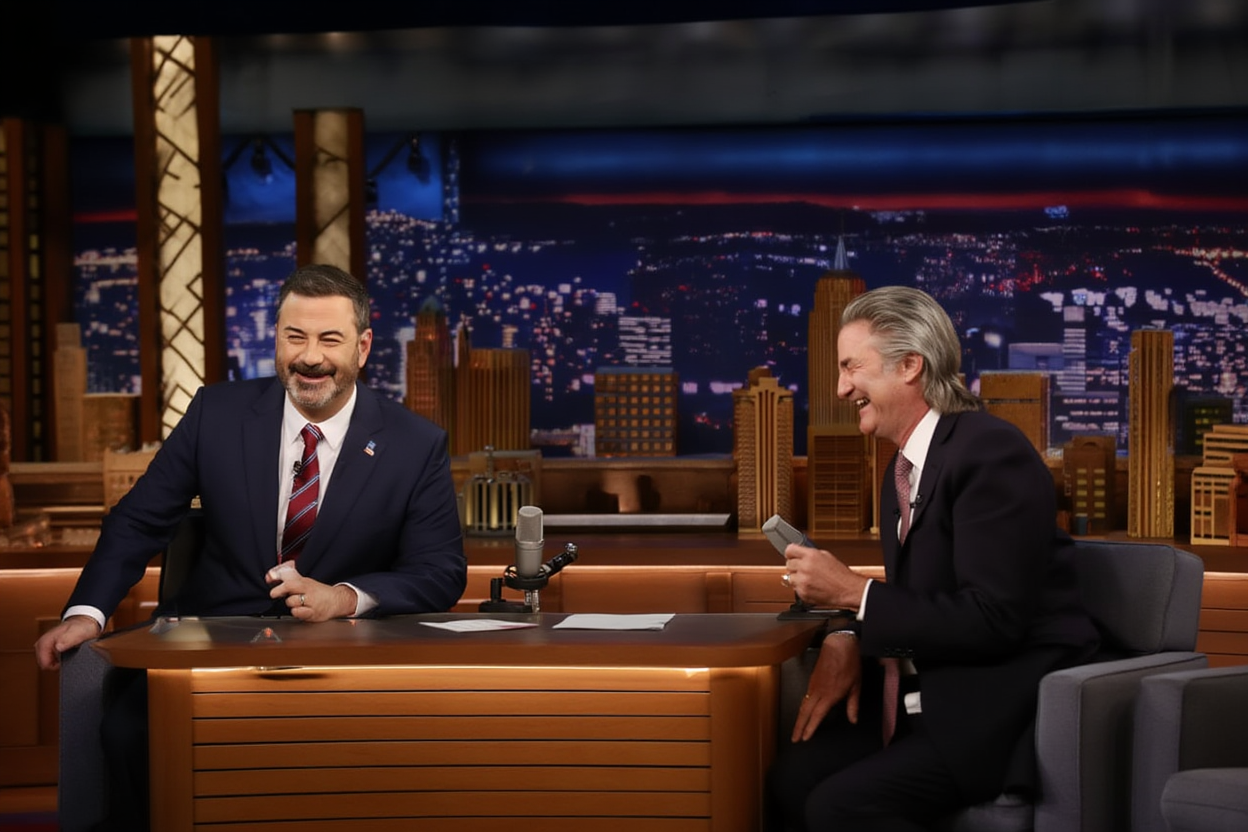
The debate brings up an important question: Should celebrities be using their influence to challenge other public figures, especially when it comes to political matters? On one hand, entertainers like Kimmel have large platforms and play an influential role in shaping public opinion. On the other hand, some believe celebrities like Russell should avoid wielding their platform to call for boycotts, especially in a culture that already seems divided on so many issues.
The conversation is growing louder as both sides dig in. Russell’s call for action isn’t just about Kimmel — it’s about whether entertainment should be politically charged or whether it should return to its roots of simply offering escapism and fun.
What’s Next?
While the specifics of whether or not the boycott will gain traction are still unclear, this incident reflects a broader debate about the role of media in shaping culture. With both sides entrenched in their views, this may be just one chapter in the ongoing saga of celebrity politics and public opinion.
If you want to keep up with the latest developments and see how this debate evolves, stay tuned for more updates on the story.