The Incident: Self-Defense or Misguided Retaliation?

The Incident: Self-Defense or Misguided Retaliation?
Justin’s suspension stems from a playground altercation, where another student allegedly tried to corner and punch him. In what seems like a moment of self-preservation, Justin responded with a single defensive strike, effectively ending the confrontation. There was no escalation, no retaliatory actions—just a swift, measured move to break free.
However, the school applied a zero-tolerance policy, which they argued justified the suspension as a violation, regardless of the circumstances. Zero-tolerance policies are designed to punish any violent action, regardless of the intent or context, aiming for strict consequences to discourage violence.
The Parents’ Response: A Call for Context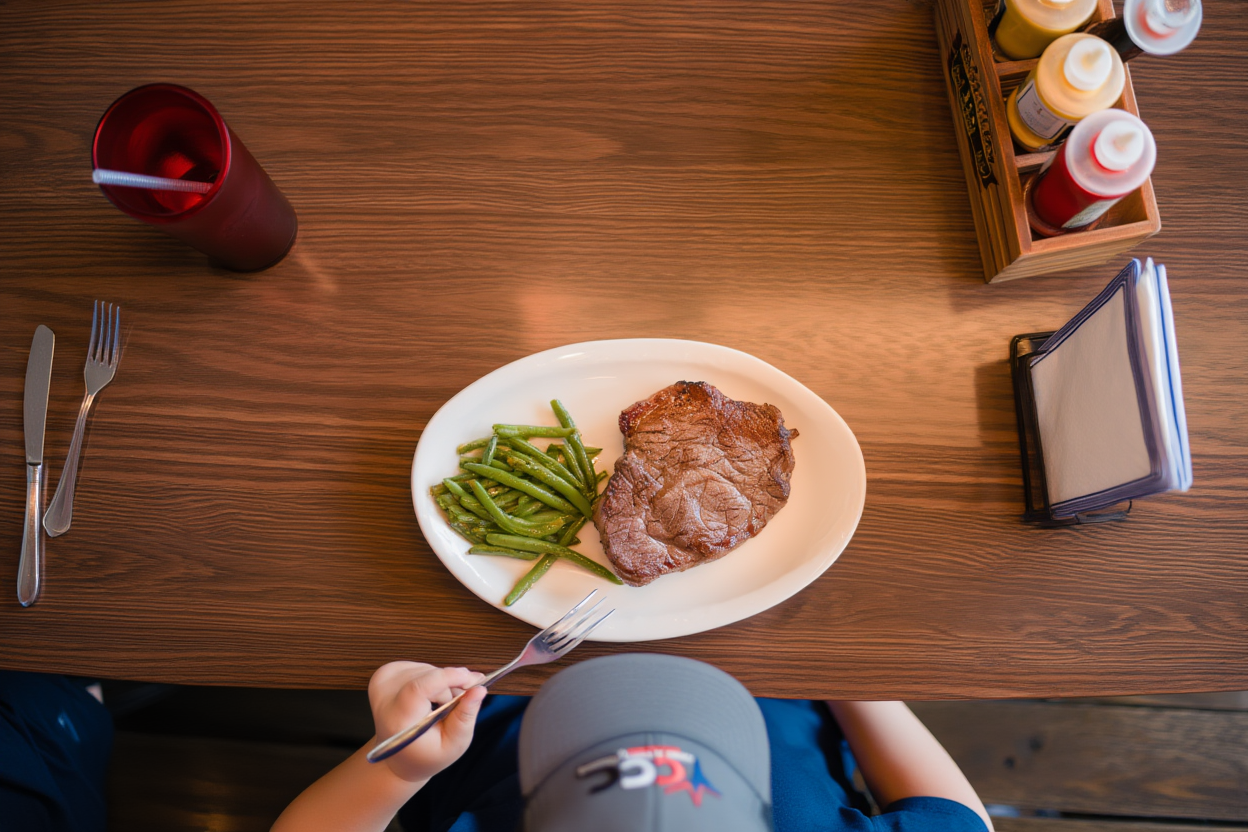
Justin’s parents, however, strongly disagreed with the suspension. They argued that self-defense should be viewed differently than an intentional fight or aggression. Rather than focusing on punishment, they believe their son should be recognized for acting responsibly in a difficult situation.
Instead of reprimanding Justin at home, his father took him out for a steak dinner, explaining that the purpose was not to celebrate fighting, but to commend honesty and restraint. This gesture signaled their belief in teaching their child that standing up for yourself, when necessary, isn’t inherently wrong.
The parents went a step further, sharing their thoughts online, with a statement that quickly went viral: “We raise sheepdogs, not sheep.” The line struck a chord with many, drawing attention to their philosophy of raising children who can protect themselves and others, rather than passively accepting bullying or injustice.
The Debate: Is Self-Defense Justified?
The story quickly spread across social media, sparking heated discussions among parents, educators, and commenters. On one hand, some argue that children should be taught to defend themselves and recognize when standing their ground is the right thing to do. They believe the suspension was unfair and that Justin’s actions were a natural response to being physically threatened. These supporters say zero-tolerance policies overlook the complexities of real-life situations.
On the other hand, some believe the school’s stance is justified, pointing out that zero-tolerance policies are in place to create consistency and fairness. They argue that even though Justin’s strike might have been defensive, the policy’s goal is to eliminate any form of violence on school grounds, and that the focus should be on teaching conflict resolution through non-violent means.
A Lesson in Responsibility
While Justin is out of school for the suspension, his parents are ensuring that he is learning important life lessons in a different setting. He’s spending his time helping out at the family business, learning about responsibility and the consequences of his actions.
This has raised another aspect of the debate: how should schools balance discipline with teaching values like responsibility, restraint, and judgment? In this case, the family feels that their son’s actions should be acknowledged as responsible, rather than punished.
The Bigger Picture: Where Do We Draw the Line?
This story highlights a larger, ongoing question about how schools approach conflict and self-defense. At what point does self-defense become acceptable, and when is it a violation of school rules? Should children be taught to stand their ground when necessary, or should they always seek to avoid confrontation at all costs?
The debate is likely to continue as more parents, educators, and students weigh in on the issue, each bringing their own perspective on how to handle such situations. What does justice look like in a schoolyard? Should kids be punished for defending themselves, or should we consider the circumstances and context of their actions?
The story isn’t just about one child’s suspension; it’s about the values we want to instill in our children — courage, responsibility, and the ability to handle difficult situations with wisdom.