A VOICE BREAKS THE SILENCE: JOHN JOSEPH PREVOST DEFENDS POPE LEO XIV IN A MOMENT THAT SPARKS GLOBAL DEBATE
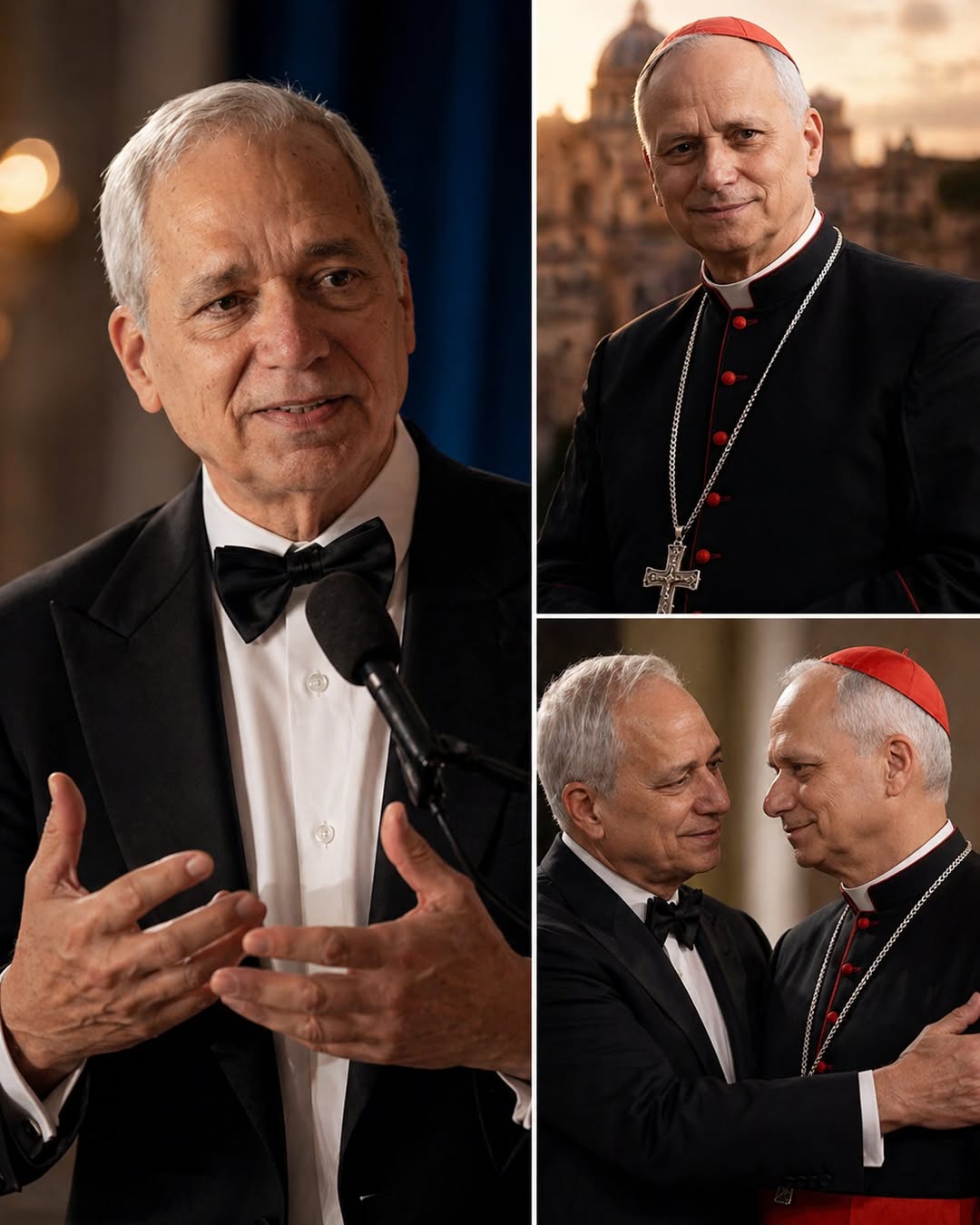
The statement did not come from an official press conference.
There was no grand stage.
No prepared audience.
Instead, it emerged quietly, through a direct message that quickly spread across media platforms and drew global attention.
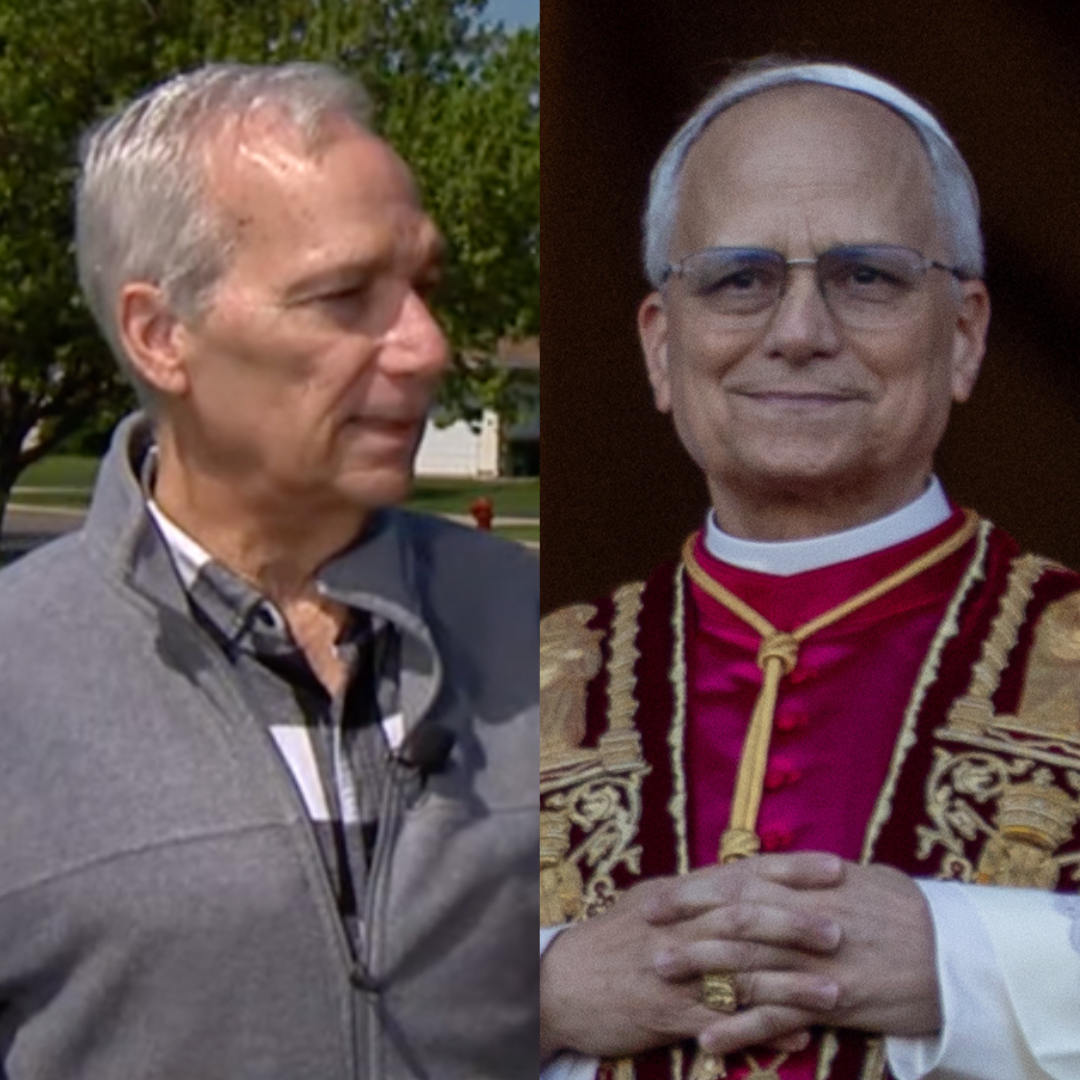
At the center of it was John Joseph Prevost.
A figure not known for frequent public statements.
A voice that had remained largely absent from controversy.
Until now.
His words were not long.
But they carried weight.
And more importantly, they carried emotion.
They were directed toward the growing criticism surrounding Pope Leo XIV.
A leader whose tenure had already become a focal point of debate within and beyond the Catholic Church.
“What’s happening to the Holy Father isn’t just criticism,” Prevost stated.
“It’s become something far more personal.”
The message struck a tone that was both defensive and reflective.
It was not an attack.
It was not a rebuttal filled with counterarguments.
It was something else.
A call to reconsider how criticism had evolved.
In recent months, discussions surrounding Pope Leo XIV had intensified.
Some praised his approach.
His emphasis on humility.
His efforts to connect faith with everyday life.
Others, however, questioned his direction.
They challenged his decisions.
They debated his vision for the future of the Church.
This level of scrutiny was not unusual for a global religious leader.
But the tone of that scrutiny had begun to shift.
From disagreement to something more personal.
From debate to division.
Prevost’s statement addressed that shift directly.
“To me, he is more than just a Pope,” he said.
“He is a devoted, disciplined, and resilient shepherd.”
The choice of words was deliberate.
Not political.
Not strategic.
Personal.
He spoke about the burden of leadership.
The constant attention.
The expectation to respond, to decide, to guide.
All while remaining grounded in principles that do not change easily.
“Instead of amplifying every controversy,” he continued, “people should recognize the responsibility and strength it takes to lead with humility under constant scrutiny.”
The message resonated differently depending on perspective.
Supporters saw it as a necessary defense.
A reminder that leadership carries unseen weight.
That public figures are often judged without full understanding of their responsibilities.
Critics, however, viewed it more cautiously.
They questioned whether such a statement deflected from legitimate concerns.
Whether it reframed criticism in a way that avoided deeper issues.
The reaction was immediate.
Across media platforms, discussions intensified.
Some focused on Prevost himself.
On why he chose this moment to speak.
On what his words revealed about internal perspectives within the Church.
Others focused on the broader implications.
On the relationship between leadership and accountability.
On the line between fair criticism and personal attack.
Amid the growing conversation, one thing became clear.
The statement had shifted the narrative.
It had moved the discussion from actions alone to the way those actions were being judged.
It introduced a new dimension.
A question not just of what leaders do, but how society responds to them.
Within the Catholic Church, the impact was also felt.
Clergy members, scholars, and observers began to reflect on the tone of internal and external discourse.
On whether the balance between critique and respect had been maintained.
On how to engage in meaningful dialogue without losing perspective.
Pope Leo XIV himself did not immediately respond to Prevost’s statement.
His silence, however, was consistent with his approach.
Deliberate.
Focused on long-term direction rather than immediate reaction.
For some, that silence reinforced the image Prevost had described.
A leader absorbing pressure without amplifying conflict.
For others, it raised further questions.
About transparency.
About engagement.
About the role of leadership in moments of controversy.
As the days passed, the intensity of the initial reaction began to settle.
But the conversation did not disappear.
It evolved.
It deepened.
It moved beyond the statement itself into broader discussions about leadership in a modern world.
In the end, Prevost’s words achieved something significant.
Not because they resolved the debate.
But because they reframed it.
They shifted focus from individual decisions to collective responsibility.
From isolated criticism to the culture of discourse itself.
Whether one agreed with his perspective or not, the impact was undeniable.
A single statement had reopened questions that extend far beyond one leader.
Questions about fairness.

About respect.
About the balance between accountability and understanding.
And as those questions continue to be explored, one reality remains.
Leadership in the modern world is no longer defined solely by decisions.
How they are discussed.
And how society chooses to engage with those who make them.