The Divine Pivot: Analyzing Elon Musk’s Recent Statements on Faith and Guidance
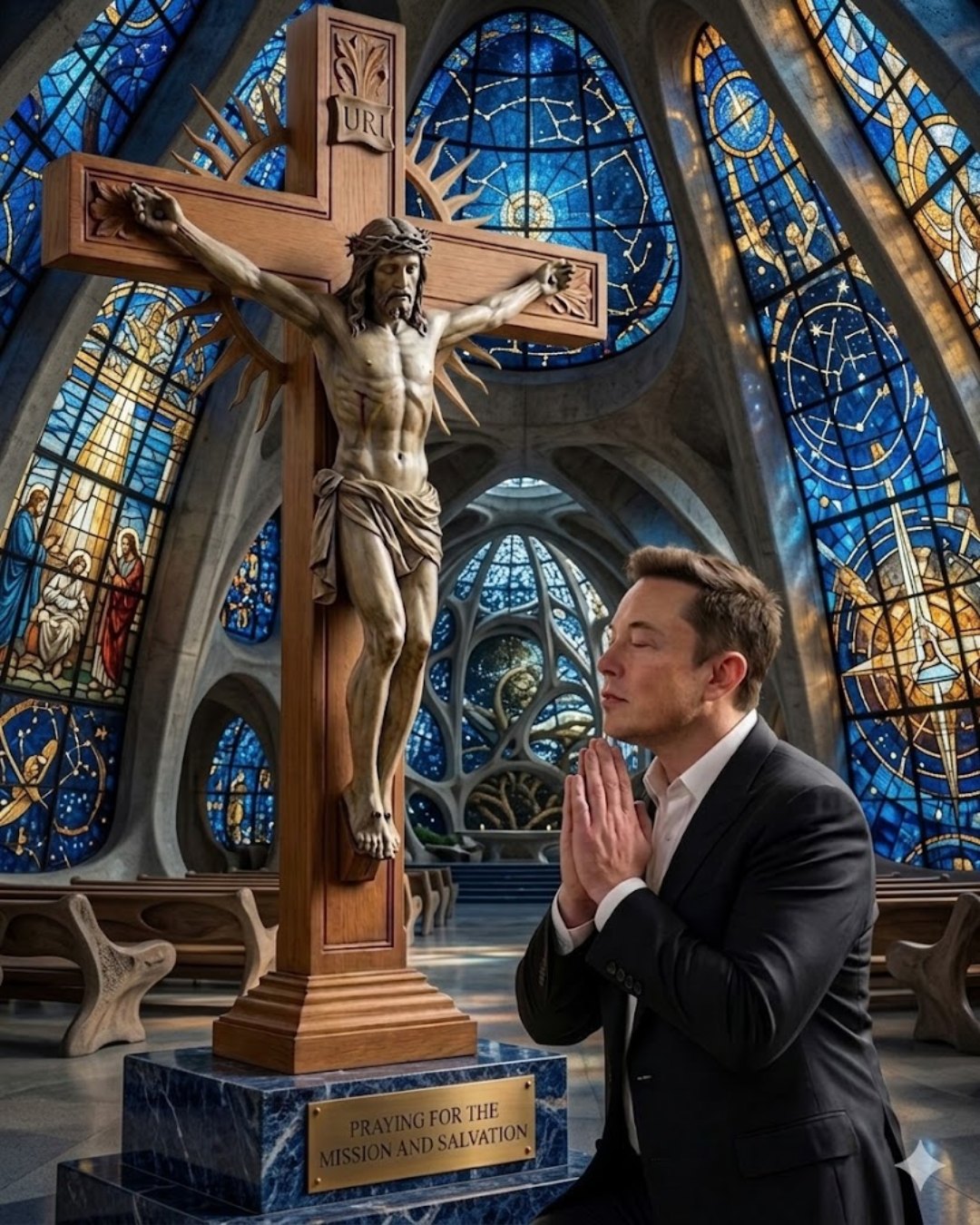
The Divine Pivot: Analyzing Elon Musk’s Recent Statements on Faith and Guidance
The global tech community and social media landscape are currently grappling with an unexpected rhetorical shift from one of the world’s most prominent figures. Elon Musk, a man whose public identity has long been rooted in the rigid logic of physics, engineering, and a self-described agnostic worldview, has reportedly issued a statement that stands in stark contrast to his previous skepticism. During a recent public appearance, Musk allegedly declared: “Take God with you wherever you go. If you cannot take God with you, do not go!”
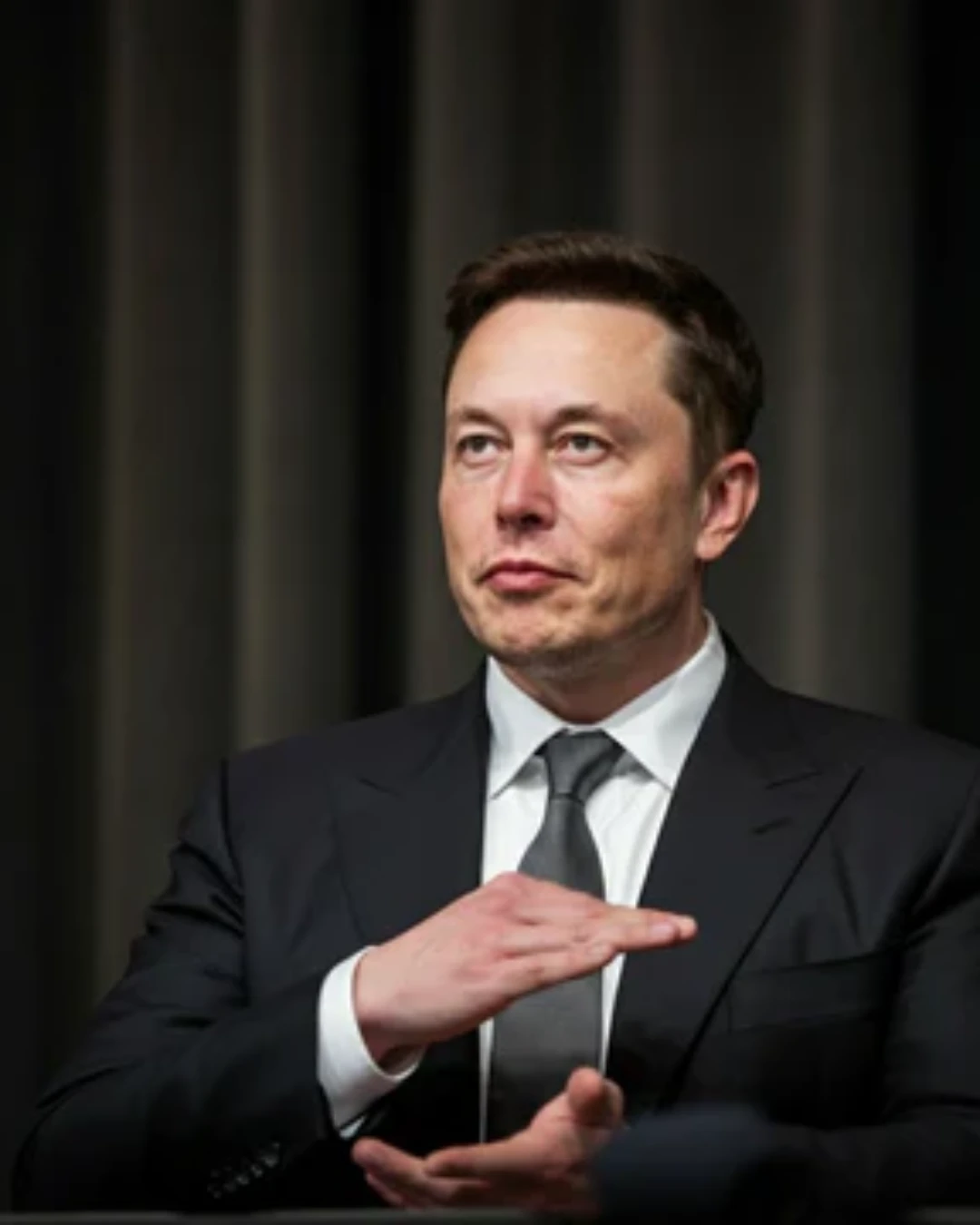
This assertion has ignited a firestorm of debate regarding the personal evolution of the billionaire entrepreneur. For years, Musk has navigated the public sphere as a champion of rationalism, often sidestepping traditional religious doctrines in favor of a philosophy centered on the survival of consciousness and the expansion of humanity into the stars. In past interviews, he has frequently expressed that while he admires the moral teachings of various faiths, he remained unconvinced by the supernatural elements of religion. This sudden, forceful endorsement of divine presence as a prerequisite for action marks a potential turning point in his public persona.
Observers are now questioning the catalyst behind this apparent transformation. Some suggest that the immense pressure of leading multiple high-stakes ventures, such as SpaceX and Tesla, may have led Musk toward a more spiritual framework for making difficult decisions. Others argue that the statement might be a metaphorical call for higher ethical standards rather than a literal religious conversion. Regardless of the intent, the phrase implies that human ambition, no matter how technologically advanced, must be tethered to a higher power or a supreme moral compass.
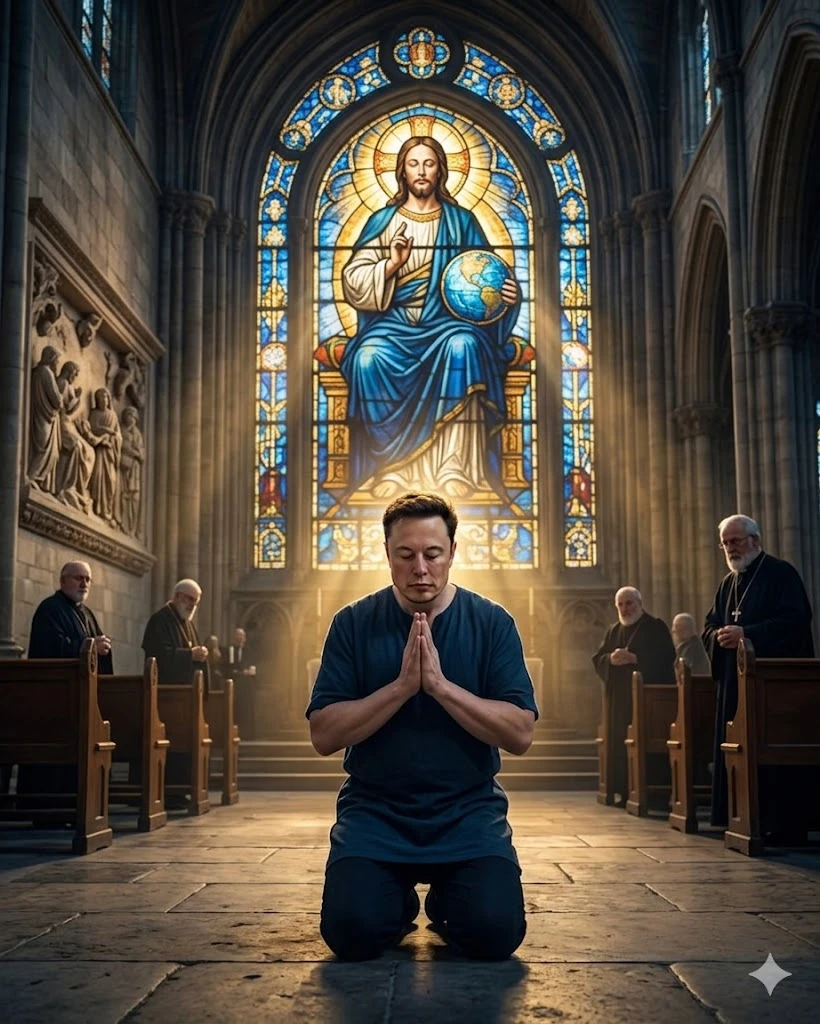
The ripple effects of this declaration are being felt across various sectors. Religious leaders have cautiously welcomed the sentiment, seeing it as a sign that even the most scientifically minded individuals eventually recognize a spiritual void. Conversely, some members of the secular community express concern that this shift represents a departure from the purely evidence-based approach that defined Musk’s earlier career. If one of the primary architects of the future now insists on the necessity of divine companionship in every journey, it raises profound questions about the intersection of silicon-valley innovation and ancient faith. As the world watches closely, the mystery remains: Has the world’s most famous agnostic truly found a new North Star?