
A Moment of Tenderness in the Spotlight
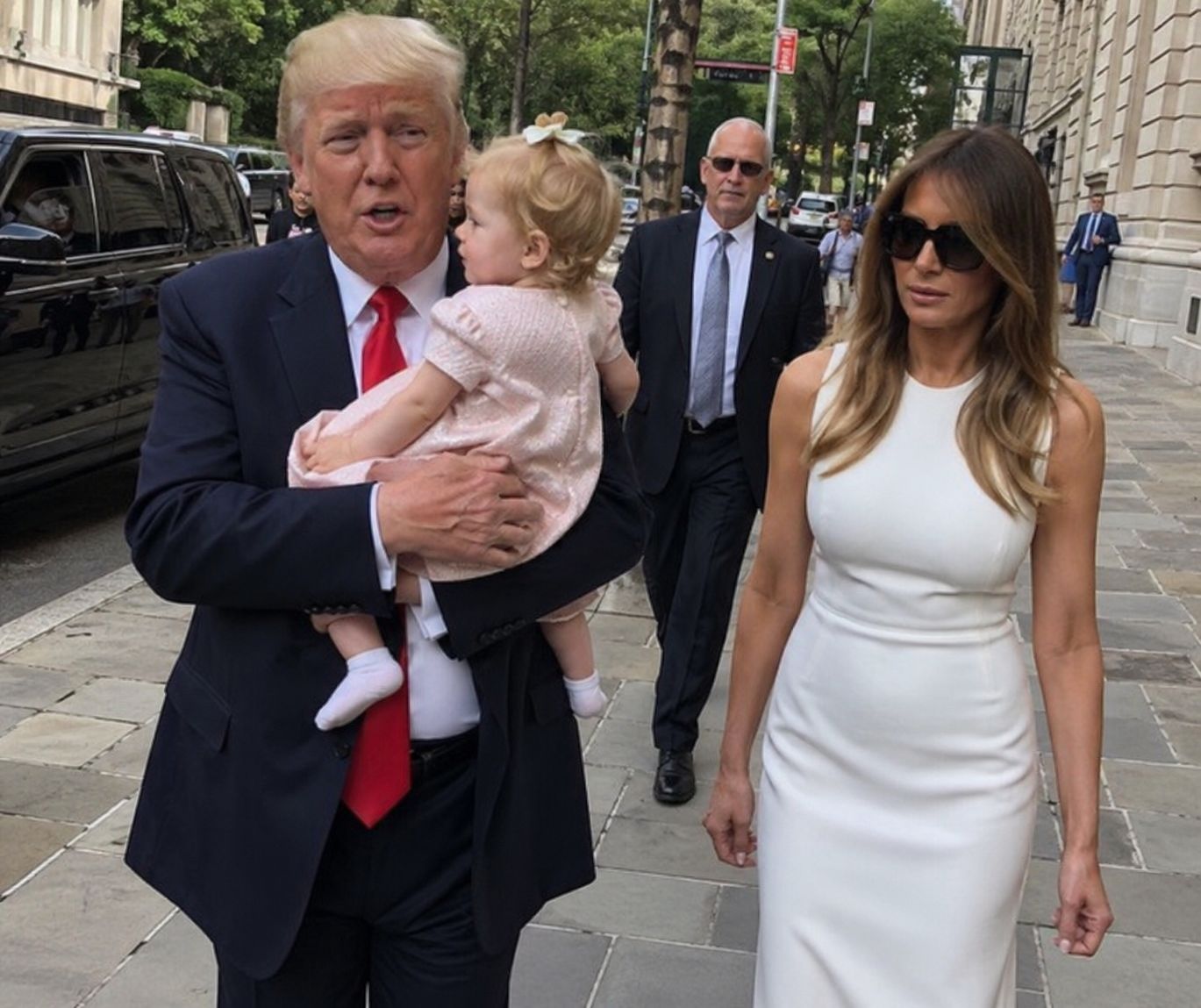

In the world of politics and leadership, moments of vulnerability are rare. Leaders are often seen as pillars of strength, unwavering in the face of adversity and driven by a singular purpose: to guide, to shape, and to lead. The image of a strong leader is typically one defined by confidence, decisiveness, and a steady hand. However, there are moments in the lives of even the most powerful figures that reveal a different side — a side rooted not in power, but in love, family, and humanity.
One such moment recently caught the attention of millions: a leader, strong in his resolve, but in this moment, holding the future in his arms. The image wasn’t just of power or politica might; it was a quiet, powerful reminder of what truly matters — the love that shapes us, the family that anchors us, and the purpose that drives us forward. It was a moment where leadership was defined not by authority, but by the soft, unspoken strength of human connection.
This article explores the rare moments of tenderness that shape true leadership. It examines the concept of legacy — not just in the achievements of a leader but in the love and compassion that underpins their strength. Behind every decision, every speech, and every act of power, there lies a human story. And in those quiet moments, we often see what truly makes a leader great.
The Face of Leadership — Power vs. Humanity
For centuries, leadership has been associated with power, control, and influence. The most iconic figures in history are often remembered for their ability to command attention, to inspire fear, or to impose change through sheer will. Leaders like Winston Churchill, Franklin D. Roosevelt, and Margaret Thatcher left their marks on history with bold decisions and public displays of strength.
But behind every leader, behind every powerful speech and every decisive moment, there is something more — something that often gets overlooked in the quest for greatness. It’s the quiet acts of love, the moments of tenderness, and the commitment to family and purpose that truly define the legacies of great leaders. These human moments, often uncelebrated, are the foundation upon which true leadership is built.
In many ways, leadership in its truest form is about understanding the balance between strength and vulnerability. It’s about showing the world that power isn’t just about what you can do for others, but also about how you care for them. A leader who leads with empathy, who understands the importance of family and love, and who can balance the demands of their role with the tenderness that comes from being human — that is the essence of true greatness.
Love and Family — The Cornerstones of Leadership
At the heart of every powerful leader lies a deep connection to their family. This connection is often the foundation upon which their strength is built. Family provides stability, grounding, and a sense of purpose. For leaders, it is often the support and love of their family that helps them navigate the complexities of their role.
Take, for example, the late John F. Kennedy, a leader whose legacy was shaped not only by his political vision but by his deep love for his family. Kennedy’s relationship with his wife, Jacqueline, and his children, Caroline and John Jr., was a central part of his identity. His devotion to his family was evident in both his personal and professional life, and it played a crucial role in shaping his legacy as a compassionate and empathetic leader. The image of JFK holding his son in his arms, smiling with his wife, and navigating the pressures of the presidency with the love and support of his family is one of the most enduring images of American leadership.
Similarly, the love and support of Melania Trump for her husband, Donald Trump, played a significant role in his time in office. Melania, often seen as a figure who balanced the demands of being First Lady with her role as a wife and mother, offered a quiet strength to her husband during a turbulent political era. Her moments of public tenderness, such as when she joined him on the campaign trail or supported him during high-stakes events, revealed a side of leadership that was rooted in family. It showed that even the most powerful figures need the strength that comes from those they love and cherish.
In both cases, the leaders were defined not just by their public achievements but by their private relationships — the love that anchored them and the family that gave them purpose. These moments of connection, while often unseen by the public, were the true sources of strength that allowed them to navigate the storms of leadership.
The Quiet Strength of Human Connection
Leadership, while often associated with power and control, also requires empathy and understanding. The most effective leaders are those who can connect with people on a human level, who can listen, understand, and respond with compassion. These moments of human connection are often the most powerful, as they remind people that their leaders are not untouchable figures but individuals who understand their struggles and desires.
One of the most striking aspects of this is the way that leaders are able to balance the needs of the public with the needs of their family. Whether it’s making decisions that impact their loved ones or simply taking time to show their care, the best leaders are those who understand that their role isn’t just about politics — it’s about the people they serve.
Consider, for example, a leader who chooses to spend time with their family during a crisis, or one who pauses for a moment of reflection to connect with the people they are working for. These are the moments that define true leadership. They are the moments that show that, despite the pressures of power, the heart of a leader remains grounded in love, connection, and compassion.
A Legacy of Compassion and Humanity
Leadership is not just about the decisions made in the spotlight or the policies enacted in front of the cameras. It’s about the quieter moments that shape a leader’s legacy. The way a leader interacts with their family, the compassion they show to others, and the love they bring to their role — these are the things that will be remembered long after the headlines have faded.
In many ways, the legacy of a leader is defined by how they made others feel. Did they uplift the people around them? Did they show kindness, even in the face of adversity? Did they take the time to listen, to understand, and to empathize with those they served?
Take a moment to think about the leaders who have impacted your life. What is it about them that resonates with you? Is it their strength, their power, or is it something deeper — a quiet strength that comes from their love for those they care about?
For many, the answer will be clear: it is the moments of humanity, the acts of kindness, and the quiet leadership that leaves the greatest impression. The true legacy of a leader is not defined by the accolades they receive or the titles they hold, but by the lives they touch, the love they give, and the humanity they embody.
The Future of Leadership — A New Paradigm
As we look to the future, the question of what makes a great leader is more relevant than ever. In a world that often emphasizes power, influence, and control, there is a growing desire for leadership that is rooted in compassion, empathy, and connection. People want leaders who understand their struggles, who connect with them on a human level, and who lead not just with their heads, but with their hearts.
This new paradigm of leadership is one that acknowledges the importance of love and family, the quiet strength that comes from human connection, and the responsibility that comes with serving others. It is a leadership that is both powerful and tender, decisive and compassionate. It is a leadership that understands that true strength comes from the ability to care for those around you, to protect and nurture, and to always act with integrity.
As we move forward, we must remember that leadership is not just about what you achieve, but how you achieve it. It is about the people you lead, the way you treat them, and the legacy you leave behind. And in the end, the most enduring legacies are those that are built on love, compassion, and the quiet, everyday acts that remind us of our shared humanity.
A Legacy Defined by Love
The quiet moments of leadership, the ones filled with love, family, and purpose, are often the most powerful. It’s in these moments that the true character of a leader is revealed — not through grand speeches or bold declarations, but through the quiet strength that comes from understanding what really matters.
In the end, the legacy of a leader is not defined by the power they wield, but by the love they give, the compassion they show, and the lives they touch. It is these moments, more than any others, that shape the future and define what it means to lead with heart.