Faroe Islands Grindadráp: Tradition, Controversy, and Conservation
Faroe Islands Grindadráp: Tradition, Controversy, and Conservation
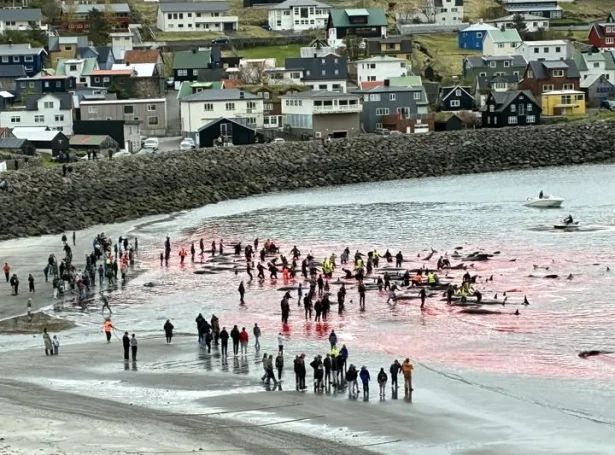
In the Faroe Islands, a recent grindadráp, or traditional pilot whale drive hunt, brought approximately 125 whales into Sandavágur Bay, where they were beached and killed in a short period. This practice, which has been carried out for centuries, remains a deeply embedded part of local culture and community life, but it continues to spark international debate.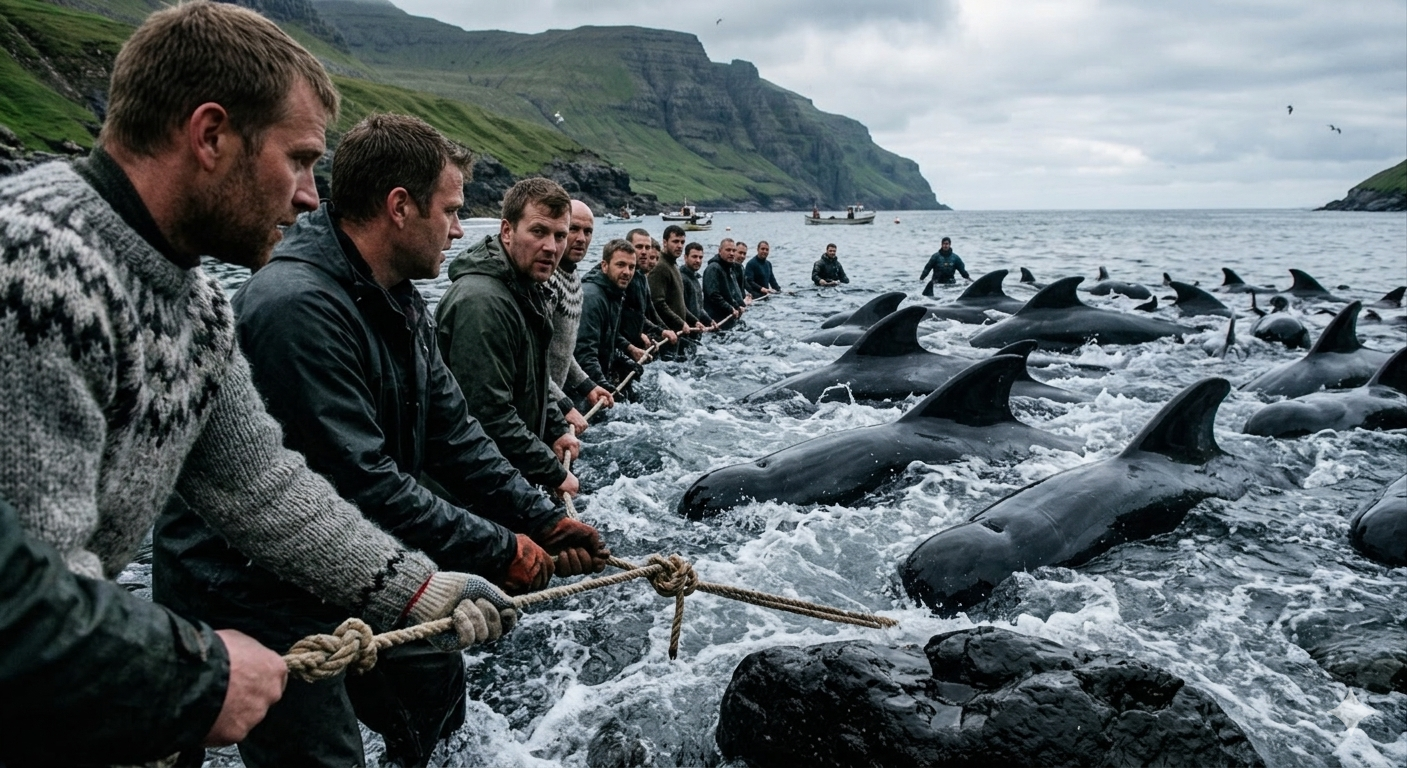
Grindadráp is defended by supporters in the Faroe Islands as a regulated, community-based tradition. The meat and blubber are used locally, providing a source of food for the islanders, and the hunts are subject to local regulations designed to limit the number of whales taken and to manage the procedure.
However, animal welfare organizations and conservation groups worldwide remain critical. Concerns focus on the methods used in the hunts, the welfare of the whales, and the disruption of family groups. The killing of a large number of socially connected animals in a short time raises questions about ethical practices, population sustainability, and the long-term impact on the marine ecosystem.
“The grindadráp is a centuries-old tradition, but it sits at the intersection of culture, ethics, and conservation,” said a marine biologist observing the practice. “While it is regulated locally, the ethical and ecological implications are increasingly scrutinized in a modern context.”
International reaction to grindadráp is polarized. Advocates for cultural preservation emphasize respect for local traditions and food sovereignty, while opponents argue for stronger conservation measures and alternative practices that would reduce harm to whale populations.
As debates continue globally, the grindadráp remains a flashpoint where heritage, community, and modern conservation ethics collide. The practice serves as a reminder of the challenges in balancing traditional human practices with evolving global standards for animal welfare and environmental stewardship.