GOODBYE TIMMY… OR DID HUMANS FAIL YOU?
GOODBYE TIMMY… OR DID HUMANS FAIL YOU?
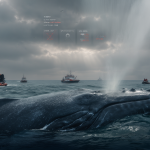
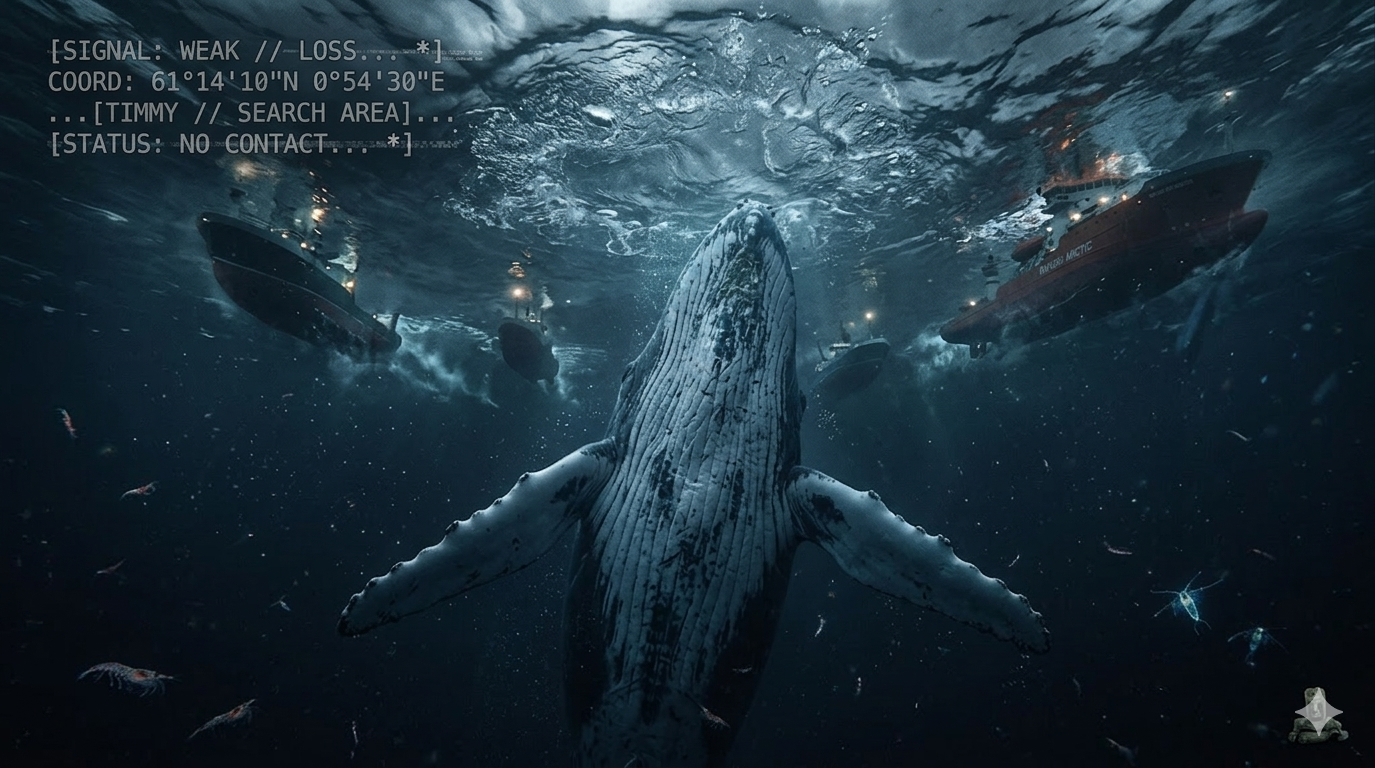
The North Sea is eerily silent. No signal, no sightings, no familiar splashes — only the cold, gray waves stretching endlessly. Timmy, the young whale who captured the world’s heart, has disappeared. And with him, a painful question lingers: did humans truly do everything they could, or did our hesitation cost him his freedom… or even his life?
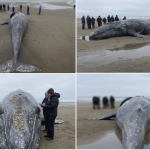
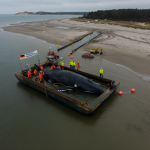
Timmy’s journey began as a beacon of hope. Found struggling near the coast, weak and disoriented, he became the focus of a high-stakes rescue mission. Conservationists, scientists, and volunteers mobilized in what seemed like a well-coordinated effort to return him to the open ocean. Tracker tags were placed, boats were deployed, and the world watched anxiously.
Yet despite the heroic efforts, delays and disagreements among authorities hampered the mission. Rescue teams debated the safest route, environmental agencies questioned release strategies, and bureaucratic red tape slowed decisions that, for a vulnerable whale, were a matter of life or death. Every hour of indecision put Timmy at risk.
Silent Tracker, Growing Anxiety
The last signal from Timmy’s tracker came days ago. Experts had warned that prolonged silence could indicate deeper dives, extreme currents, or stress — all dangerous for a whale alone in a changing sea. Meanwhile, sightings from boats and drones went unconfirmed. The world waited, but the sea gave no answers.
The Rescue Under Scrutiny
Critics are now questioning whether the rescue was rushed or mismanaged. Was Timmy released too soon, before fully regaining his strength? Did logistical challenges prevent a safer relocation to deeper waters? These questions weigh heavily, particularly as the ocean remains silent.
A Tale of Human Hesitation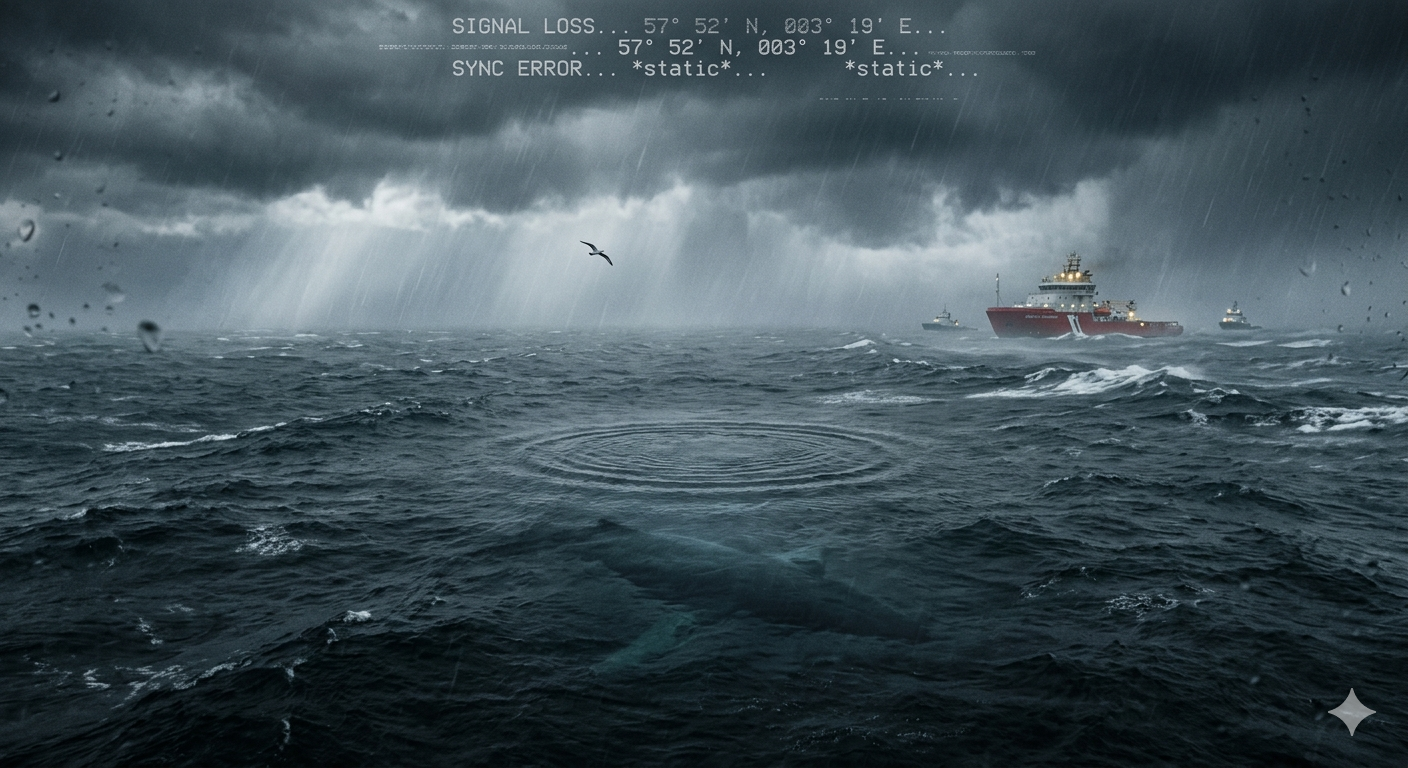
Perhaps the cruelest irony is that Timmy’s determination may have been greater than our own. While he fought against currents, predators, and exhaustion, humans argued over protocols, permits, and risk assessments. In the race to save a life, sometimes bureaucracy can become the deadliest obstacle.
Hope and Responsibility
Even now, Timmy’s fate is unknown. He may have survived, swimming into the vast North Sea, navigating by instinct. Or perhaps he has succumbed to the dangers that linger unseen beneath the waves. One thing is certain: his story is a stark reminder of our responsibility to act swiftly when nature calls for help.
As the world mourns, it must also reflect: how many more Timmy’s will we lose because we waited too long to make the right decisions?