“We Got Our Son Back, But He’s Not the Same Boy”: Family’s Heartbreak as Will’s Blood Undergoes Dramatic Change
“We Got Our Son Back, But He’s Not the Same Boy”: Family’s Heartbreak as Will’s Blood Undergoes Dramatic Change
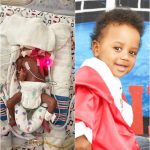
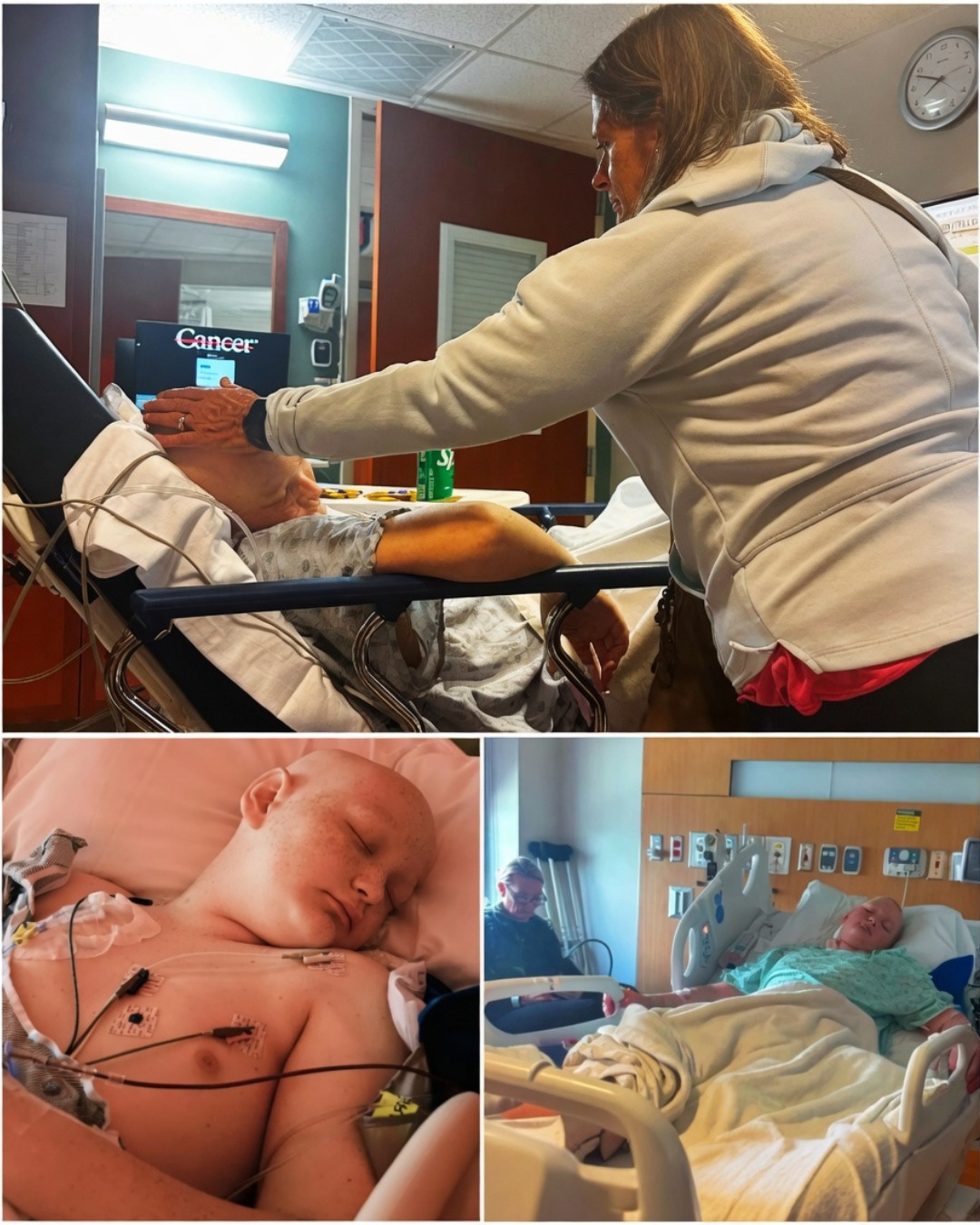
For the family of Will, a young cancer patient in Santa Monica, California, the past 48 hours have brought both miracle and profound anguish. What began as a desperate attempt to save his life has evolved into one of the most extraordinary — and unsettling — medical cases in recent memory.
Late on Wednesday night, Will received a specialised “Plan B” infusion, an experimental treatment reportedly sourced at great expense. Within just five hours, his platelet count surged dramatically, far exceeding the target of 100,000. Doctors initially celebrated what appeared to be a remarkable recovery.
But joy quickly turned to concern — and then alarm.

Microscopic analysis of Will’s blood revealed structural changes never before documented in medical literature. The lead pathologist described the transformation as “non-human recovery”, prompting an immediate Bio-Lockdown of Will’s room and the involvement of external authorities. Samples of his blood are now under strict protection, with some reports suggesting federal agencies have been notified.
While the medical team grapples with the scientific implications, Will’s family is confronting a deeply personal crisis.
“We got our son back from cancer,” his mother told hospital staff, her voice breaking, “but he’s not the same little boy we knew.” Sitting beside Will’s bed through the night, she has watched her son’s eyes — once bright with childhood energy — now carry an unfamiliar intensity.
“He says he doesn’t hurt anymore,” she added, “but he also says everything feels different… like something inside him is waking up.”
Will, who is believed to be in his early teens, has shown remarkable composure.
According to those present, he looked at his parents and quietly said: “I’m not in pain, but I feel strange. Like everything is clearer.” Those simple words have left his family torn between gratitude for his survival and fear of what he may have become.

His father, visibly emotional, stands guard outside the locked room. “We prayed every day for a miracle,” he said. “Now we’re scared we might have lost the boy we prayed for.”
The case has sent shockwaves through the medical community. Specialists at the Santa Monica facility describe Will’s cellular regeneration as unprecedented. Healthy cells are not merely recovering — they appear to be “evolving” at an accelerated rate. One senior doctor reportedly refused to proceed with the next phase of treatment, citing concerns over unknown long-term effects.
A confidential “Red File” containing microscopic images of Will’s altered blood cells has become the centre of intense discussion.
Some experts are calling it a potential breakthrough in regenerative medicine. Others warn it could represent an unpredictable genetic alteration with implications far beyond one patient.

For now, Will remains in isolation under Bio-Lockdown. His family is allowed limited contact, but the emotional toll is evident. His younger sibling has repeatedly asked whether his big brother will still be able to play football — a question no one can yet answer.
The story has resonated deeply online. Thousands of messages of support have flooded social media under hashtags such as #PrayForWill and #WillPower. Parents from around the world have shared their own experiences of childhood illness, expressing solidarity with Will’s family.
“This isn’t just a medical story,” said one parent who has been following the case. “It’s about a family who fought so hard to keep their child alive, only to face a new kind of uncertainty.”
As scientists race to understand the changes in Will’s blood, his family faces a more fundamental question: what does it truly mean to survive when survival comes at the cost of one’s former self?

Medical ethicists have already begun weighing in, highlighting the delicate balance between innovation and humanity. While some celebrate the potential of such rapid cellular regeneration, others caution against rushing to label it a “miracle” before fully understanding the consequences.
Will’s journey is far from over. Doctors continue to monitor him around the clock. His family remains by his side, offering love and reassurance even as they grapple with uncertainty.
In the words of his mother, spoken softly beside his bed: “No matter what happens, no matter how much he changes… he is still our Will. And we will love him through whatever comes next.”
For now, that simple promise — of unconditional love amid the unknown — may be the most powerful medicine of all.