.Teenager’s quiet smile signals hope in battle against stage 4 bone cancer
Teenager’s quiet smile signals hope in battle against stage 4 bone cancer
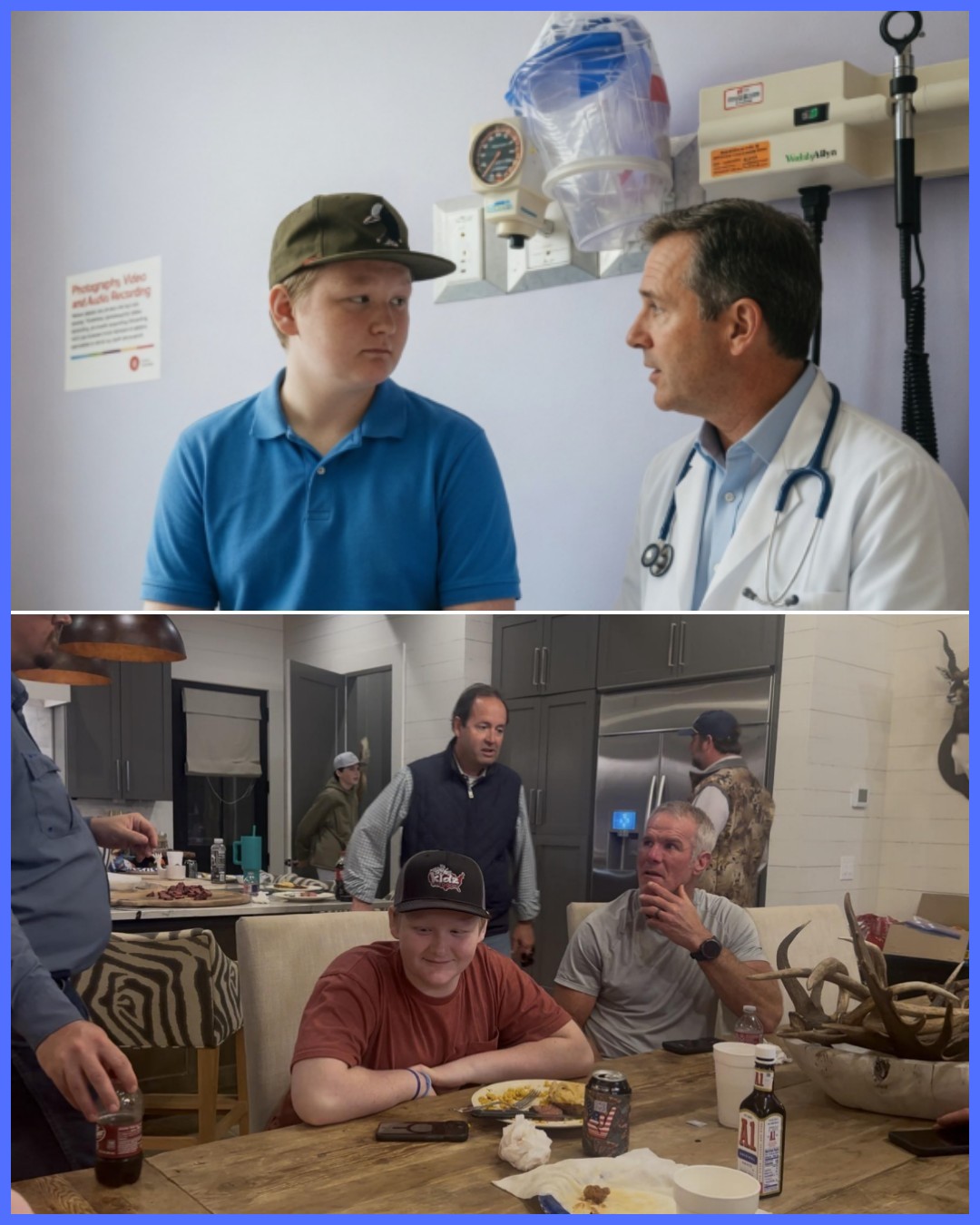
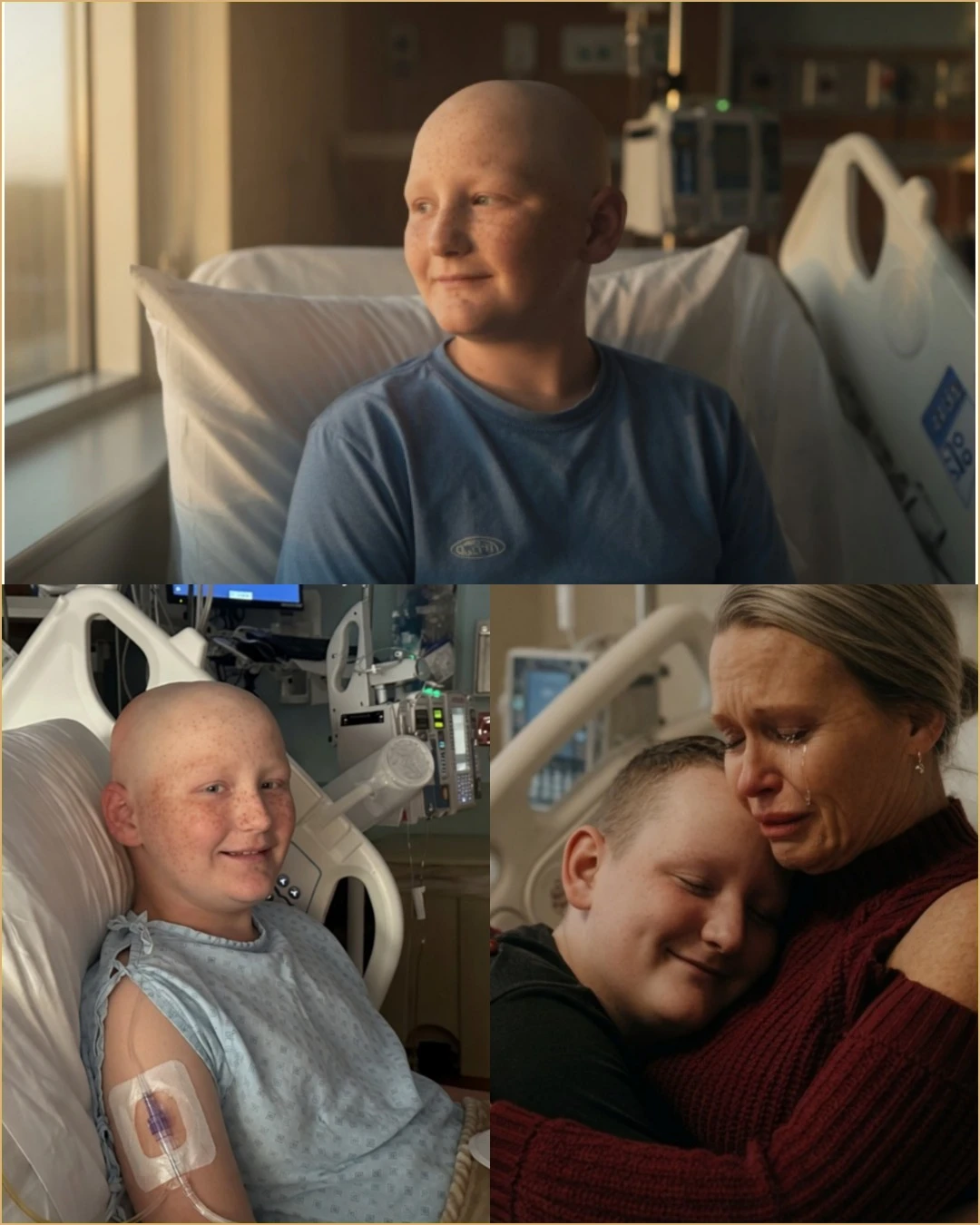
In the sterile confines of a US hospital room, 15-year-old Will Roberts offered the world a moment of profound humanity.
As doctors delivered news that a long-sought immunotherapy drug had finally arrived, the Alabama teenager did not cheer or speak at length. Instead, he reached out, gently squeezed his mother’s hand, and smiled.
That simple gesture, captured amid a gruelling fight against stage 4 osteosarcoma, has resonated far beyond his family in Ralph, Alabama.
It speaks to resilience in the face of a disease that has already cost him part of his left leg and forced him to confront mortality far too young.
Will was diagnosed with osteosarcoma, an aggressive bone cancer that primarily affects children and young adults, in early 2025.
By the time of diagnosis, it had advanced to stage 4, with metastases spreading through his body. Chemotherapy, surgery—including amputation at the knee—and other interventions followed, but the cancer proved relentless. New spots appeared, and standard treatments began to lose their edge.
For families like the Roberts, such a diagnosis triggers not only medical battles but a desperate global search for options. Will’s mother, Brittney Battles Roberts, identified mifamurtide—commonly known by its brand name MEPACT—as a potential lifeline.

Approved in Europe for years as an adjunct therapy for osteosarcoma, the drug is an immunotherapy that stimulates the immune system to target and destroy residual cancer cells. It is not a miracle cure, but clinical data from European studies suggest it can improve survival rates when combined with other treatments.
In the United States, however, access has been far more complicated. Shortages, regulatory hurdles, and high costs—sometimes exceeding €100,000 for a full course when sourced internationally—have left many patients without it. Will’s family, like others before them, faced the agonising wait as they advocated for its availability.
The breakthrough came after Will’s own quiet act of courage.
Unbeknownst to his parents at first, the teenager secretly recorded a video on his mother’s Facebook account. In it, he pleaded directly for help accessing the drug, his voice steady despite the stakes.
The post went viral, drawing national attention across the US, support from medical professionals, and even high-profile figures. It highlighted broader issues around access to potentially life-extending treatments, especially for rare paediatric cancers.
Recent updates indicate that MEPACT doses have now reached Will in the US, marking a significant step forward. Reports from his family and local media describe the emotional delivery of this news.
Doctors confirmed the drug’s arrival, offering what his loved ones describe as “a new path forward” in a journey filled with uncertainty. Will’s understated reaction— that gentle hand squeeze and smile—has been widely shared, melting hearts and inspiring prayers from strangers worldwide.
The science behind the hope
MEPACT (mifamurtide) is a synthetic analogue of a bacterial cell wall component. It activates macrophages—key immune cells—to recognise and attack cancer cells that might survive chemotherapy or surgery.

European trials, notably the EURAMOS-1 study and related research, have shown modest but meaningful improvements in event-free survival for patients with non-metastatic disease, and it is sometimes used in metastatic cases under compassionate protocols.
For Will, whose cancer has metastasised, it represents one more weapon in an arsenal that now also includes other experimental options like DeltaRex-G, which he has received in Santa Monica, California. His treatment journey has involved travel, radiation for new tumour spots, and ongoing monitoring. Doctors emphasise it is no guarantee—osteosarcoma at this stage remains incredibly challenging, with five-year survival rates for metastatic disease often below 30% depending on response.
Yet for the Roberts family—parents Brittney and Jason, and sister Charlie—any additional time and quality of life gained is precious. Will, known for his love of fishing, riding four-wheelers, and simple moments by the river, has impressed those around him with his positivity and faith even after major surgeries and setbacks.
A wider story of access and advocacy
Will’s case shines a light on systemic challenges in cancer care for young patients. Osteosarcoma is rare, affecting roughly 400-500 children and teens in the US each year.
Innovative therapies often lag in approval or face supply issues, leaving families to navigate crowdfunding, international sourcing, and media campaigns.
Supporters have rallied behind Will through GoFundMe pages and social media, raising awareness and funds. His story has been covered by local Alabama outlets like WSFA and WMC Action News5, and shared widely online.
Many have commented “Amen” and offered prayers, turning one family’s private struggle into a communal beacon of hope.
Medical experts caution optimism must be tempered. “These immunotherapies can be game-changers for some, but responses vary,” notes one oncologist familiar with similar cases (speaking generally). Side effects, integration with other treatments, and the need for sustained access remain critical factors.
As Will continues his regimen—recent reports mention him receiving multiple doses while managing hospital days with determination—the road ahead is undoubtedly tough.
Further scans will determine effectiveness. Radiation, additional immunotherapy, and close monitoring are all part of the plan.
A teenager’s quiet strength
In interviews and family posts, Will comes across as remarkably mature.
He has spoken about faith, gratitude, and even encouraged others facing hardship. His smile in that hospital moment encapsulates what many find inspiring: not bravado, but quiet endurance.
For the Roberts family, this “dose of hope” is not the end of the story but a pivotal chapter.
They continue to ask for prayers and support as they navigate what comes next. Whether this proves the turning point they have prayed for—or part of a longer, more arduous journey—remains to be seen.
In the meantime, Will Roberts’s story reminds us of the power of community, the drive of medical innovation, and the extraordinary resilience of a 15-year-old who, despite losing so much, still finds reason to smile.