The Man Who Walked With Machines: Earl Drinkard’s Defiance of Death
The Man Who Walked With Machines: Earl Drinkard’s Defiance of Death
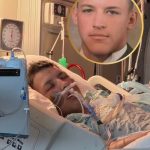
MOBILE, ALABAMA – In the sterile, high-stakes environment of the Intensive Care Unit, the sound of a heart monitor is often the only proof of life. For 33-year-old Earl Drinkard, that rhythmic beeping was a lifeline in a world that had gone completely dark. Paralyzed by sedation and tethered to a labyrinth of tubes, the young father of three was locked in a battle that medicine usually expects to lose.

The Danger of a “Simple” Sore Throat
Earl’s journey into the abyss didn’t begin with a dramatic accident or a chronic diagnosis. It started with a scratchy throat. Like many young, healthy parents, he initially dismissed it as a minor annoyance. But within days, the “minor” infection spiraled into a catastrophic health crisis. By the time he reached the hospital in Mobile, his body was in a state of total rebellion: severe pneumonia had triggered septic shock, and his organs were beginning to fail.
The “Bridge” to Life: Entering ECMO
When ventilators were no longer enough to keep Earl’s blood oxygenated, doctors turned to a final, desperate measure: ECMO (Extracorporeal Membrane Oxygenation). This machine acts as an external heart and lung, pumping blood out of the body, removing carbon dioxide, adding oxygen, and sending it back in. It is a grueling, complex treatment reserved for patients on the very edge of survival.
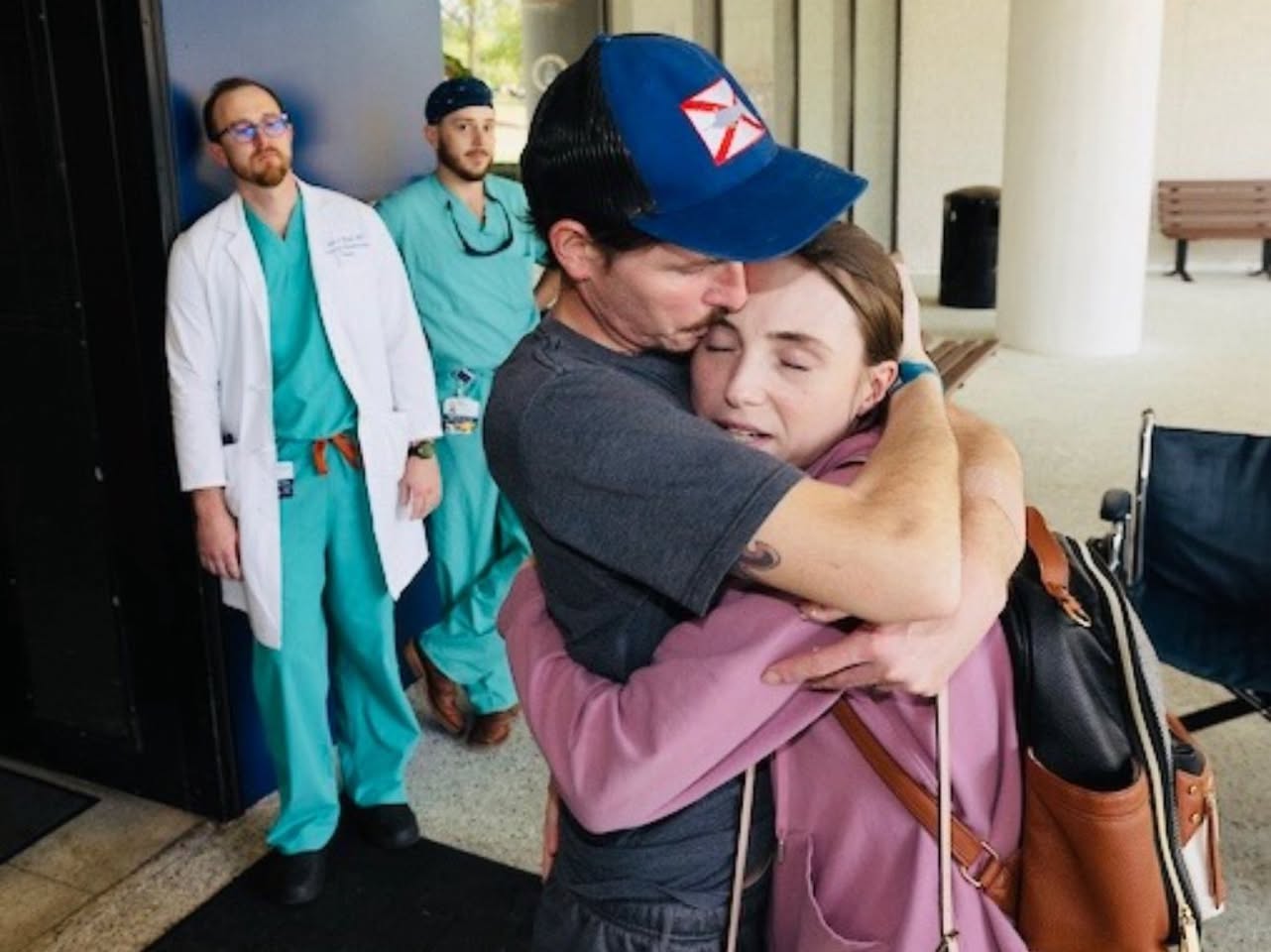
While Earl lay in a medically induced coma, his wife, Victoria, stood vigil. The weight of their three young children and an uncertain future rested on her shoulders, but she never stopped believing in her husband’s resilience.

An Unprecedented Recovery
The turning point in Earl’s story isn’t just that he survived; it’s how he survived. In a feat that stunned his medical team, Earl became the first patient at his hospital to not only regain consciousness on ECMO but to actually stand and walk while still tethered to the life-support system.
This act of “early mobilization” is incredibly rare for patients in such critical condition. It required immense physical willpower and a refusal to let the machines define his limits. For Earl, every step was a step back toward his children.

A Life Reclaimed by Gratitude
Now fully recovered and back home in Mobile, Earl’s perspective on life has been permanently altered. He speaks of his survival as a “three-fold miracle”—the result of a dedicated medical team, the unwavering strength of his wife, and a profound spiritual faith that kept him grounded even when his vision was dark.
“I knew I wasn’t dead because I hadn’t met Jesus yet,” Earl recalls with a smile. Today, the scratchy throat is a distant memory, replaced by the sounds of his children playing and a deep, daily sense of gratitude. His story serves as a powerful reminder to the medical community and families everywhere: even when the machines are doing the work of the heart, the human spirit is what truly drives the recovery.