The Silent Threshold: Breaking the Myth of Instant Maternal Love After Childbirth
The Silent Threshold: Breaking the Myth of Instant Maternal Love After Childbirth
The traditional narrative of childbirth is almost always bathed in a golden hue. We are told that the second a newborn is placed upon a mother’s chest, a celestial switch flips, flooding her soul with an intoxicating, life-altering wave of affection. For many, this is a beautiful reality. But for an untold number of parents, the room remains quiet. The expected surge of emotion never arrives, leaving behind a hollow sense of confusion and a devastating, silent guilt.

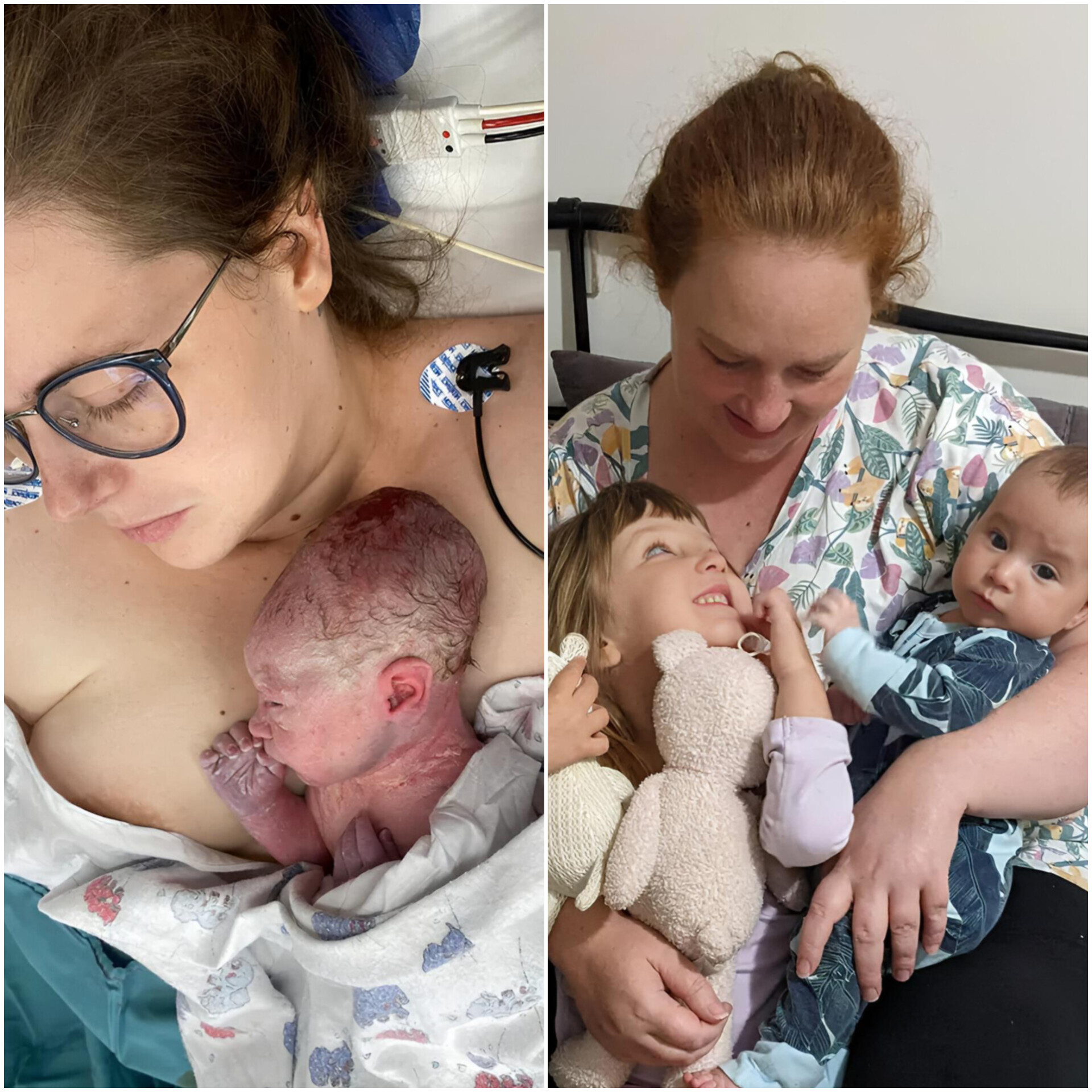
Nicki, a mother from Sydney, experienced this emotional void firsthand. After the heartbreak of multiple miscarriages, she finally welcomed her “rainbow baby” in late 2022. Her labor was a whirlwind, lasting less than ninety minutes—a physical intensity that left no room for medical intervention. Yet, when she finally held her healthy daughter, the “magic” was missing. She described feeling absolutely nothing, viewing her long-awaited child as a beautiful but total stranger.
This phenomenon is far more common than our culture cares to admit. Clinical perinatal psychologists explain that bonding is not an automated reflex; it is a developing relationship. Just as we do not love a stranger on the street the moment we meet them, some parents require time to get to know the new person in their lives. For Nicki, the realization that her partner and close friends had felt the same was a vital lifeline, stripping away the shame of her initial detachment.

The journey is different for everyone. Some mothers, like Courtney, struggle with gender disappointment or the shock of the transition, initially feeling as though they had given birth to an alien. Others, like Claire, feel a deep connection to the baby inside the womb but feel a strange sense of mourning once the child is born, as if the pregnancy version of their baby had vanished.
The pressure to perform “instant love” is a heavy burden. We must begin to treat bonding as a slow-growing seedling rather than a lightning strike. By normalizing the “slow bond,” we allow parents to breathe, to heal, and to eventually find that deep, lasting connection through the quiet, mundane rituals of care—the feeding, the bathing, and the simple act of being present. Love that takes time to grow is no less powerful; often, it is even more resilient for having been built stone by stone.