ALARMING WHALE DEATHS ON THE U.S. WEST COAST REACH CRISIS LEVELS
ALARMING WHALE DEATHS ON THE U.S. WEST COAST REACH CRISIS LEVELS
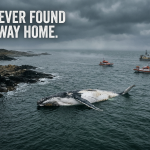
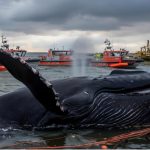
The coasts of California, Oregon, and Washington are facing a growing marine crisis. This year alone, dozens of whales have been discovered dead along the shoreline — and the numbers keep rising, sending urgent signals to scientists, conservationists, and the public alike.
A recent study examining whale populations in San Francisco Bay reveals a disturbing trend:
Nearly 1 in 5 gray whales entering the bay fails to survive.
More than 40% of these deaths are linked to ship strikes , highlighting the deadly intersection of human activity and marine life.
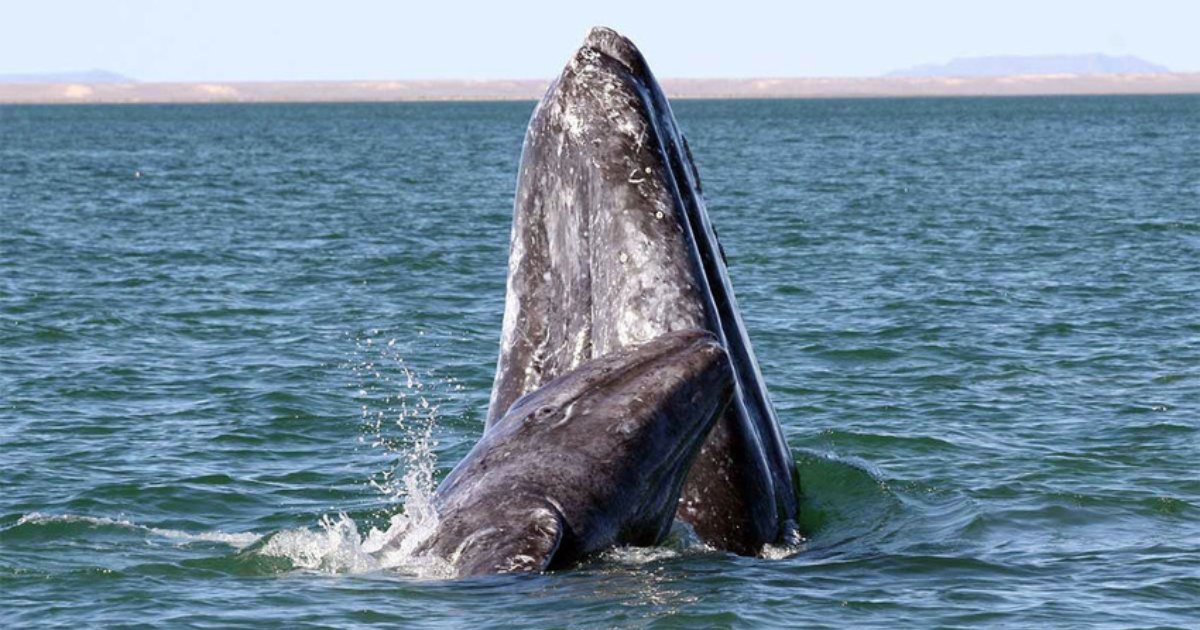
For migrating whales — especially vulnerable mothers and calves — the ocean surface is both a home and a highway. Unfortunately, it’s now a dangerous place, as large vessels move through critical habitats at speeds that leave whales with little chance to avoid collision.
Marine biologists emphasize that this is not an unsolvable problem. The research is clear:
Slowing down vessels in key whale areas can dramatically reduce the risk of deadly collisions.
Even a modest reduction in ship speed gives whales more time to detect and evade approaching vessels, potentially saving countless lives during their long migrations along the Pacific Coast.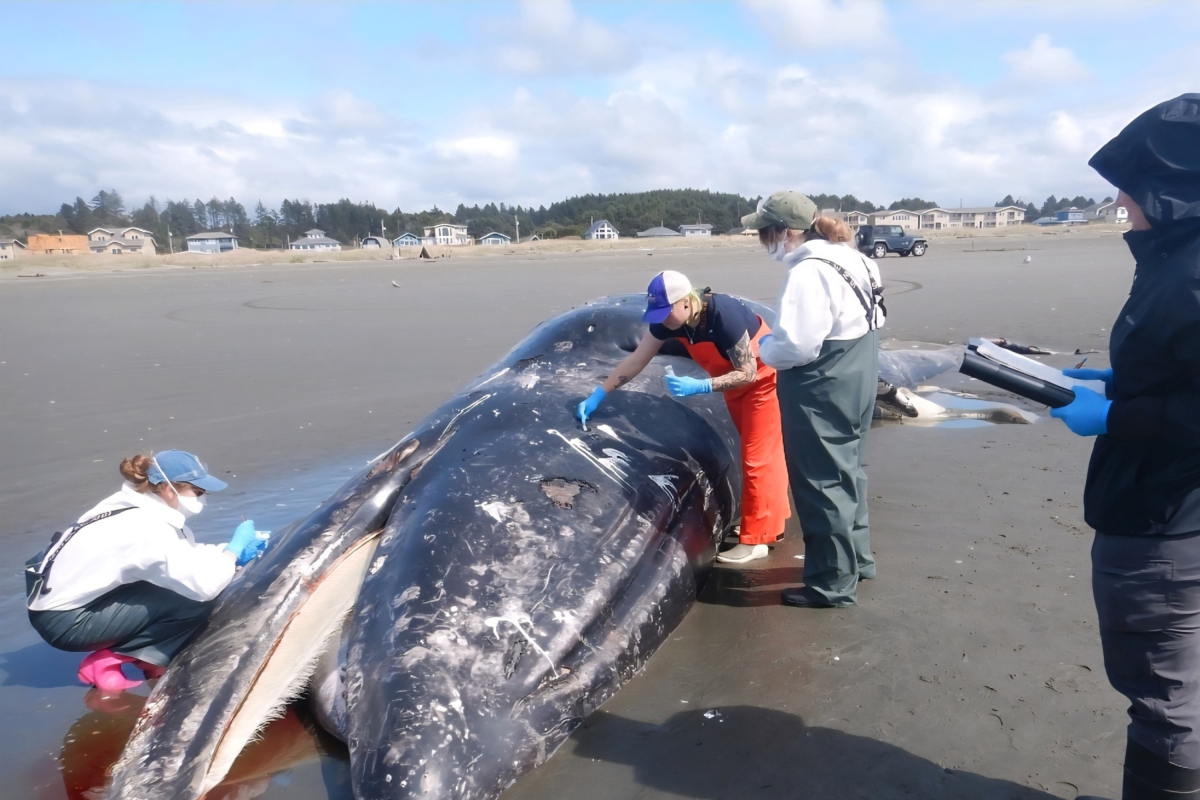
Conservation organizations and scientists are now urging NOAA Fisheries and the U.S. Coast Guard to act immediately by implementing stricter speed restrictions in high-risk whale zones. Failure to act could lead to irreversible losses for these already vulnerable populations.
The West Coast whale crisis is not just a statistic — it is a warning. Every vessel moving safely through whale habitats represents a life saved, a calf that can grow to adulthood, and a species that continues to thrive despite the mounting pressures of human activity.
A simple change in maritime practices could make the difference between life and death for the ocean’s giants.