A Historic Convergence: The Symbolic Power of Diplomacy in a Single Framed Moment
A Historic Convergence: The Symbolic Power of Diplomacy in a Single Framed Moment
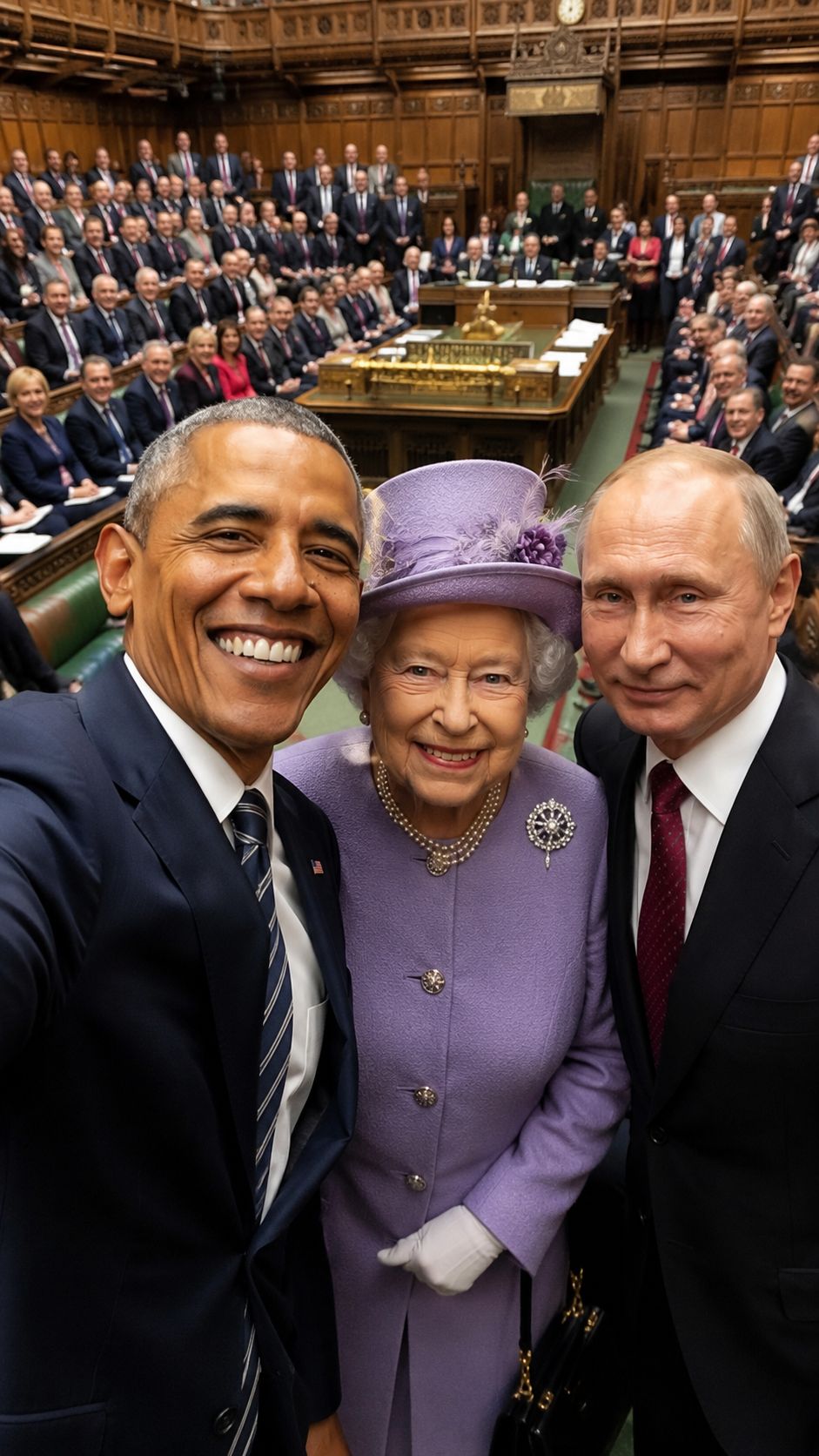
In the theater of global politics, few things capture the public imagination quite like the sight of world leaders stepping out of their rigid roles to share a human moment. Imagine a scene that defies the traditional boundaries of protocol: former U.S. President Barack Obama, standing alongside the late Queen Elizabeth II and Russian President Vladimir Putin, capturing a collective selfie during a prestigious summit in the United Kingdom. While such an image may exist in the realm of the digital imagination or a rare, unscripted pause in history, its symbolic weight remains undeniable. This singular, hypothetical frame represents more than just a gathering of powerful figures; it serves as a profound testament to the necessity of dialogue, the nuances of international relations, and the enduring hope for global connection.
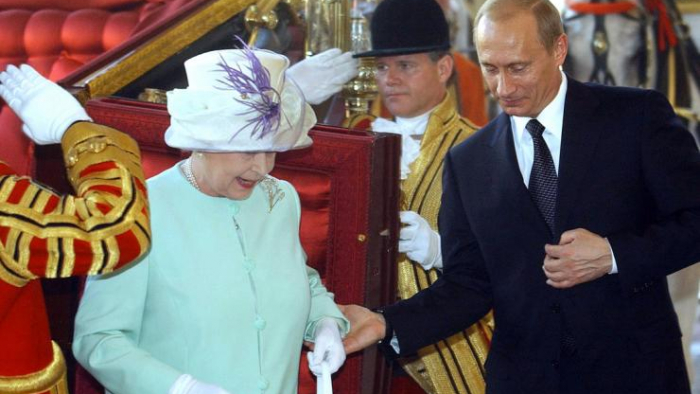
The presence of Queen Elizabeth II in this assembly brings a sense of timeless continuity. As a figure who witnessed the shifting tides of the 20th and 21st centuries, she represented a stable bridge between the traditions of the past and the complexities of the modern world. Her role was often that of the ultimate diplomat, hosting presidents and prime ministers with a grace that transcended partisan divides. To see her engaged in a candid moment with leaders like Obama and Putin suggests a world where even the most stoic institutions can find common ground through shared humanity. It highlights the importance of the United Kingdom as a neutral ground where the West and the East have historically met to navigate the perilous waters of global governance.
On the other side of the frame, the inclusion of Barack Obama and Vladimir Putin underscores the intense gravity of geopolitical dialogue. During their respective tenures, the relationship between the United States and Russia was often defined by tension, yet the underlying current was always the pursuit of stability through communication. A shared selfie in this context serves as a metaphor for the “soft power” of diplomacy—the idea that personal rapport and face-to-face interaction can sometimes soften the edges of hard-line policy. It reminds us that leadership is not just about grand speeches or signed treaties, but about the willingness to stand in the same room, acknowledge one’s counterparts, and recognize the shared responsibility of shaping the future.
Ultimately, this snapshot—whether a historical artifact or a digital masterpiece—remains a powerful reminder of what is possible when the world’s most influential figures prioritize connection over conflict. In an era often defined by polarization and digital echo chambers, the image of these three icons together encourages us to value the art of the assembly. It suggests that despite the vast differences in culture, ideology, and national interest, the human desire to document a shared moment is universal. As we reflect on the legacies of these individuals, we are reminded that true leadership is found in the ability to bridge divides, fostering a world where diplomacy remains the primary language of history.