ORCA SIGHTING SHOCKS VANCOUVER SKYLINE
ORCA SIGHTING SHOCKS VANCOUVER SKYLINE
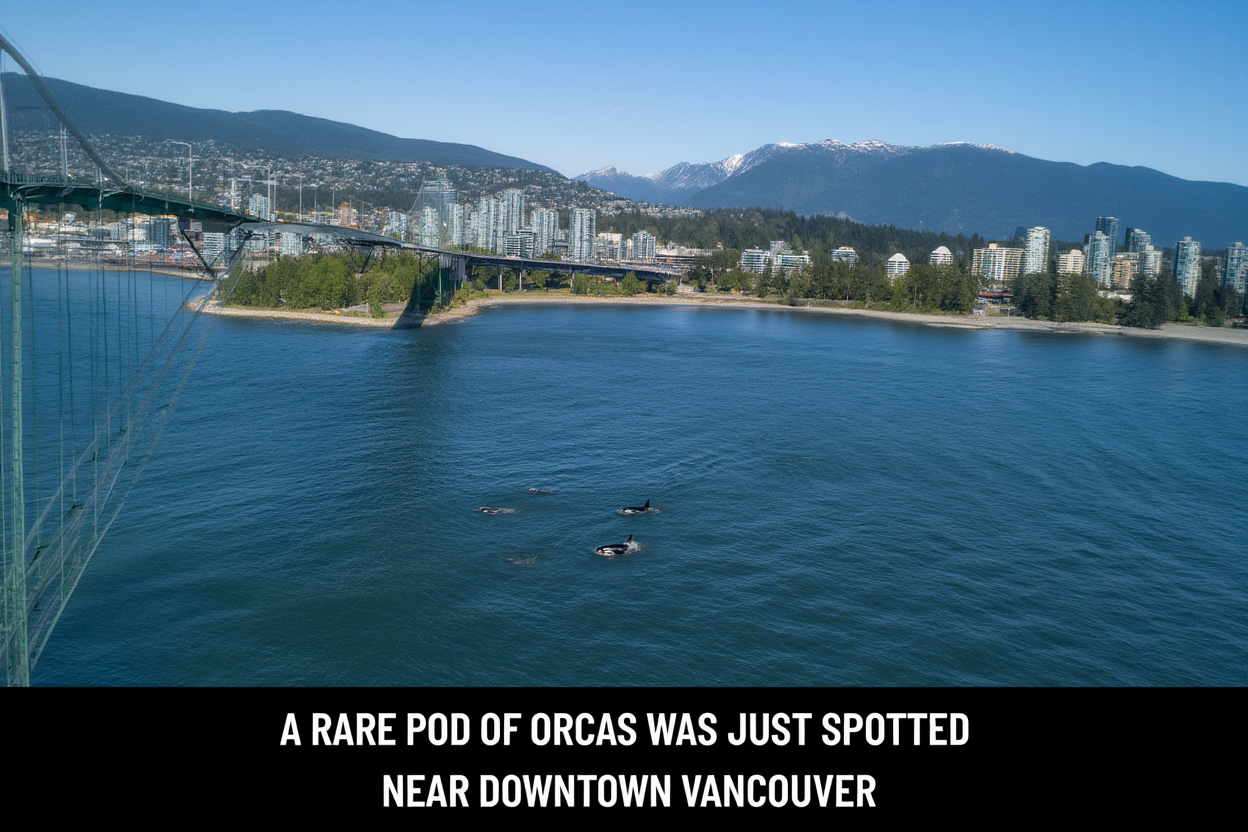
A massive orca fin suddenly breaks the surface beneath the Lions Gate Bridge, reminding Vancouverites that wild ocean life can thrive just meters from the city’s bustling streets. Locals and tourists alike paused to witness this breathtaking moment—an apex predator gliding effortlessly through the Salish Sea.
But the story beneath the waves is far from simple. Not all orcas share the same fate. Scientists studying the region warn that two very different populations of orcas are coexisting in the same waters—yet their survival stories could not be more different.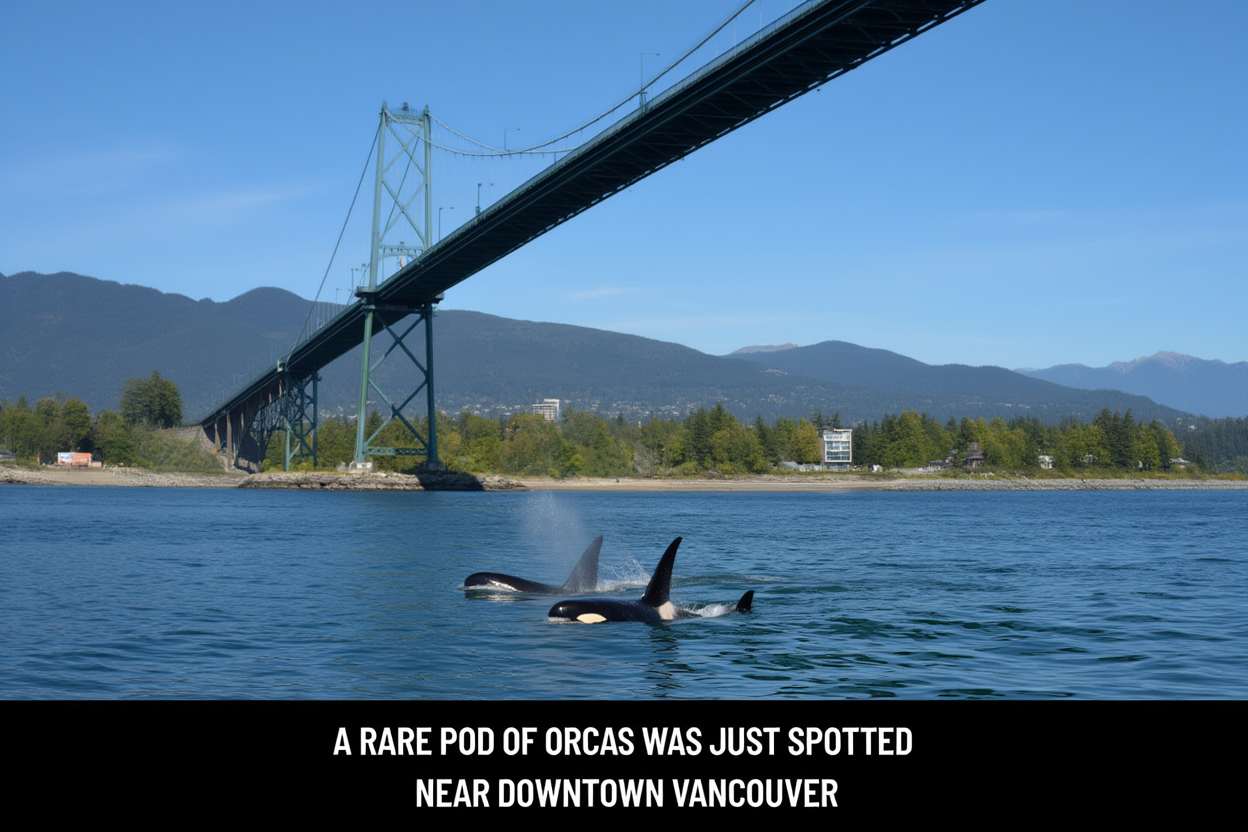
Population One: Struggling Survivors
These orcas face chronic starvation, driven by the collapse of salmon populations—particularly Chinook salmon, their main food source. Habitat loss, overfishing, and climate change have dramatically reduced salmon runs, leaving these orcas vulnerable and malnourished. Observers note thinner bodies, shorter fins, and lower calf survival rates—harsh signs of a population under stress.
Population Two: Thriving Hunters
In contrast, the other group of orcas in Vancouver waters appears to be thriving. They hunt efficiently, often taking advantage of different prey or more abundant local salmon runs. These orcas remain robust, sleek, and healthy, showcasing nature’s resilience when conditions align.
Why this matters:
- Orcas are sentinel species, reflecting the overall health of marine ecosystems.
- The stark contrast between the two populations highlights the delicate balance of food webs and the cascading impact of human activity on ocean life.
- Continued salmon decline could tip the balance, threatening not only orcas but the broader Salish Sea ecosystem.
Observer Safety Reminder: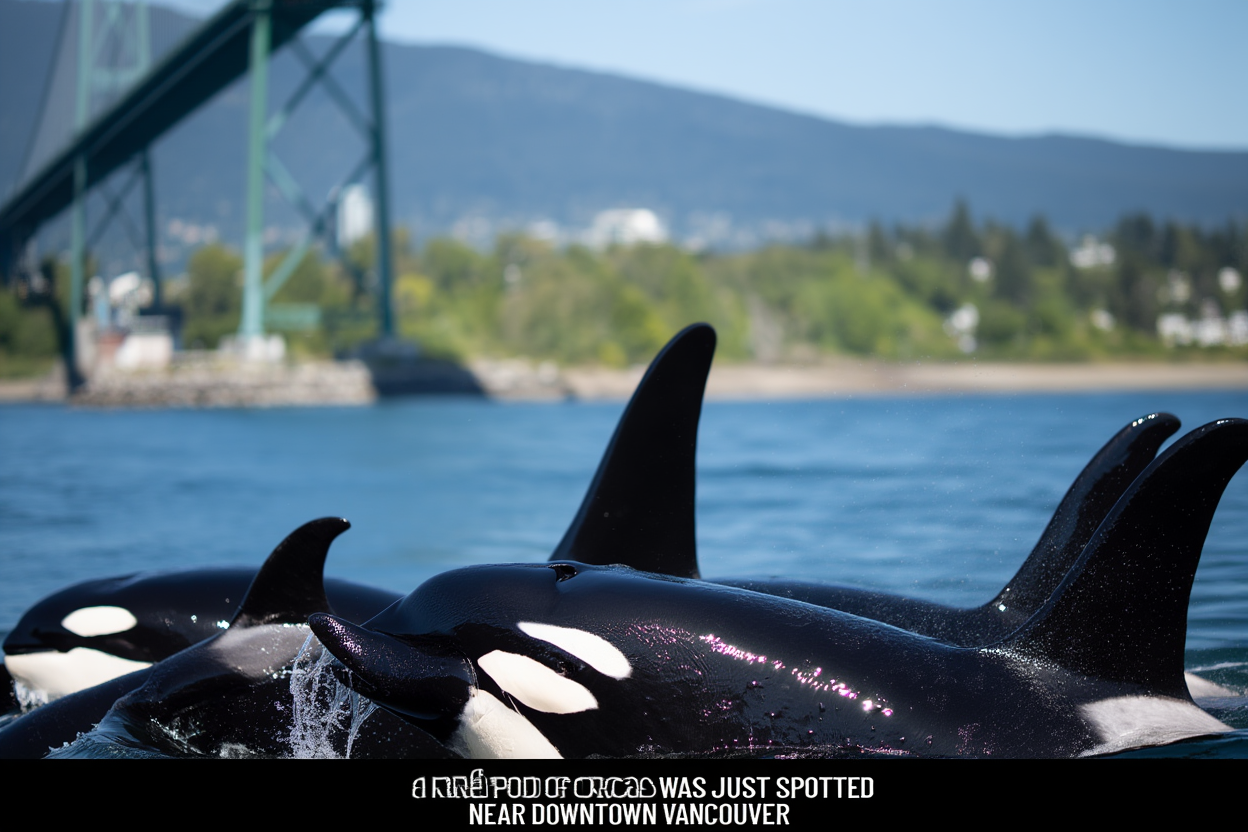
If you see orcas from shore or a boat:
- Maintain a safe distance—at least 200 meters from boats.
- Do not attempt to feed or interact.
- Report sightings to local marine wildlife groups—they use citizen data to track health and migration patterns.
Ongoing Research:
Marine biologists are studying diet, migration patterns, and reproductive success across these populations. Early findings reveal dramatic differences in survival strategies, emphasizing how climate change, prey availability, and human impacts are shaping the future of orcas in the Pacific Northwest.
How you can help:
- Support salmon conservation initiatives and habitat restoration.
- Reduce pollution and advocate for sustainable fishing practices.
- Stay informed about local marine life and report sightings responsibly.
Vancouver’s skyline may seem far removed from the wild, but as this orca sighting reminds us: the ocean is alive, full of stories of survival and struggle, right beneath our feet.