The World’s Rarest Whale Finally Reveals Its Secrets
The World’s Rarest Whale Finally Reveals Its Secrets
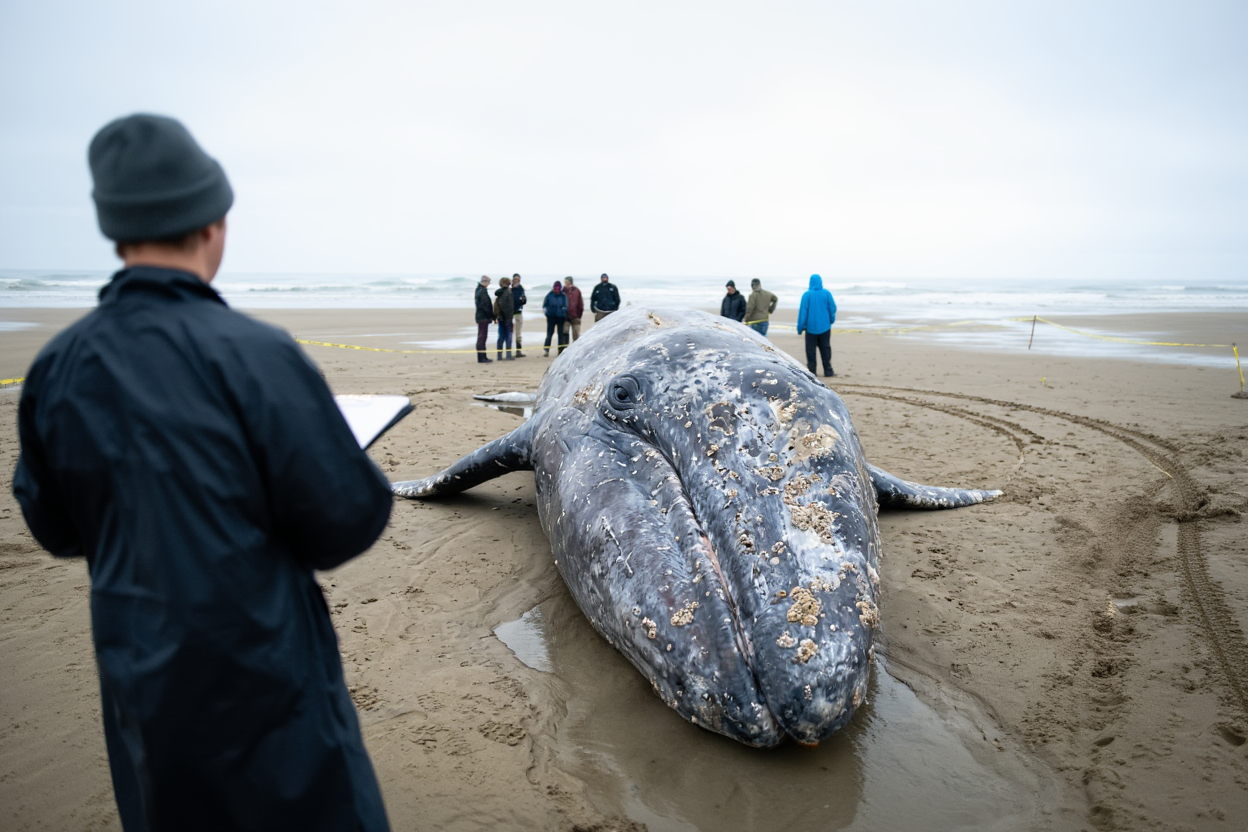
One of the ocean’s most mysterious creatures — the spade-toothed whale — has finally had its secrets unveiled, astonishing even the most experienced scientists. This species has never been seen alive, and to date, only seven individuals have ever been identified worldwide.
A Remarkable Discovery in New Zealand
In July 2024, a 5-meter male whale washed ashore in Otago, New Zealand. Unlike previous specimens, which were often buried before researchers could study them, this whale was preserved in cold storage, allowing scientists an unprecedented opportunity to examine its anatomy and biology in detail.
A Historic Dissection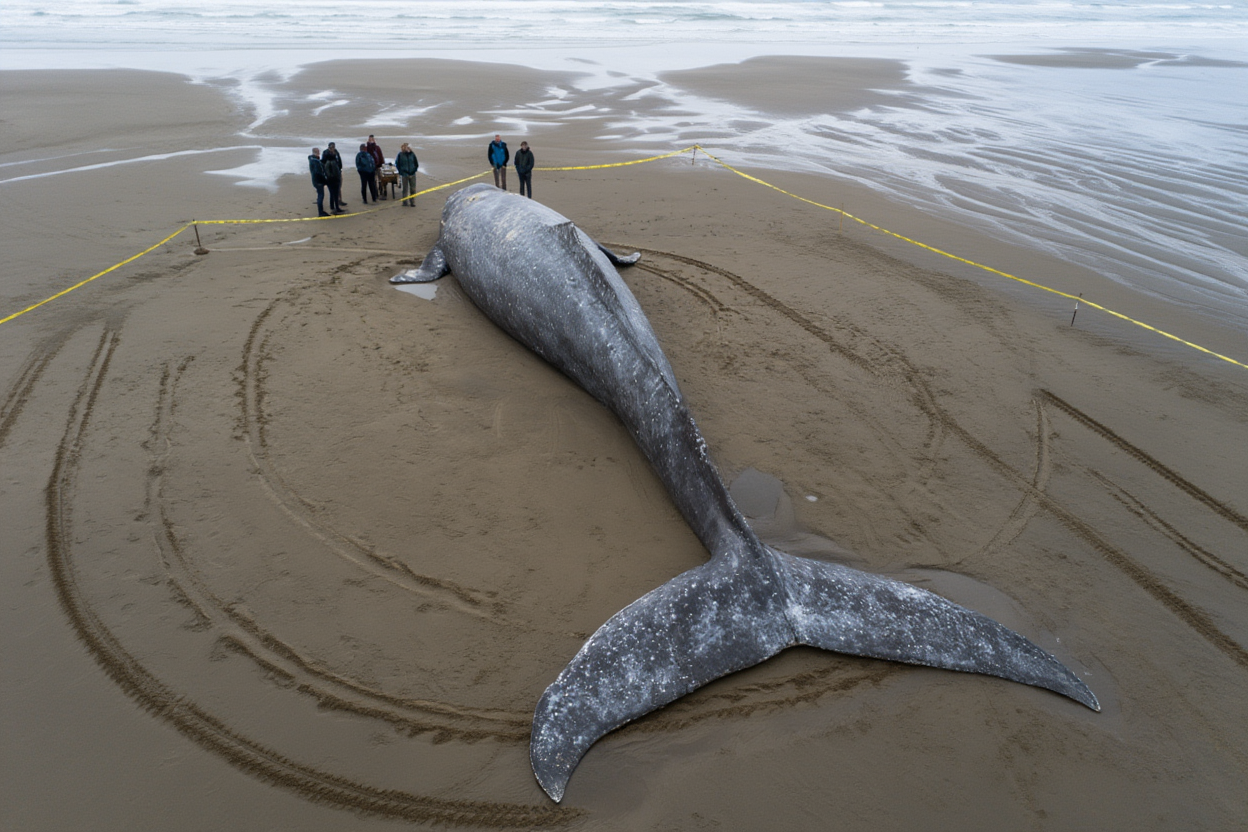
From December 2 to 6, 2024, a team led by researchers conducted a thorough dissection, uncovering revelations that shocked experts:
- Complex digestive system: The whale had nine stomach chambers, containing squid remains, worms, and other unidentified organisms — offering a rare glimpse into its diet.
- Vestigial teeth: Tiny teeth in the upper jaw provide clues to the species’ evolutionary history.
- Signs of trauma: Bruising on the head and neck and a broken jaw suggest the whale may have died from head injuries, though the cause remains unknown.
Science Meets Cultural Heritage
This project stands out for its close collaboration with the Māori community:
- Lead organization: Te Rūnanga o Ōtākou, the Indigenous community where the whale washed ashore.
- Partners: Department of Conservation, Otago Museum, University of Otago.
- Name: The whale was named Ōnumia, honoring the traditional Māori name of the area.
- Cultural significance: The whale’s jawbone and teeth were returned to the local Māori as sacred treasures, while the rest of the skeleton will be displayed at Otago Museum for public education and appreciation.
Scientific and Conservation Significance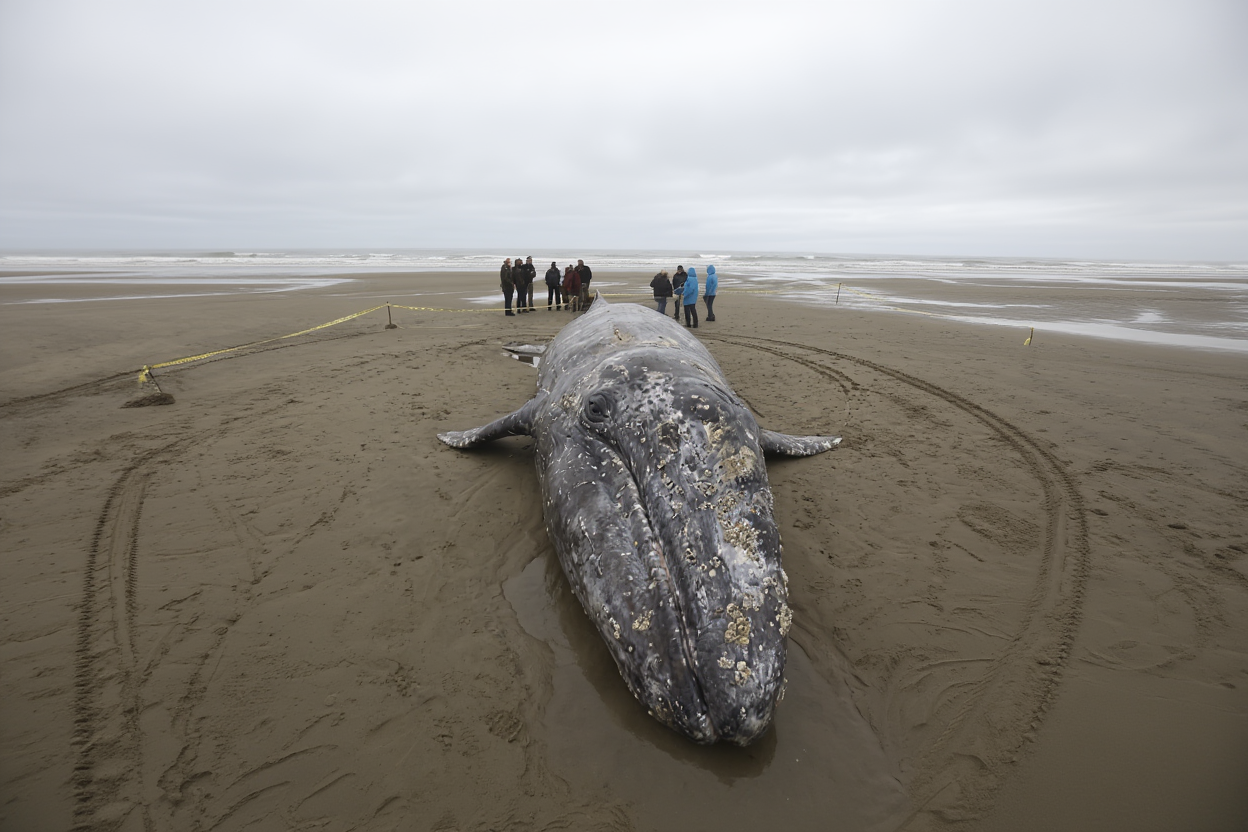
This discovery goes far beyond a simple anatomical study: it offers vital insights into evolution, diet, and conservation of one of the ocean’s rarest mammals:
- Evolutionary clues: Vestigial teeth help scientists trace the species’ evolutionary history.
- Dietary insights: Stomach contents reveal previously unknown feeding habits.
- Conservation lessons: Understanding trauma and death causes could inform protection strategies for living whales.
- Cultural collaboration: Partnership with the Māori community demonstrates a model for respectful, ethical research that combines science and cultural heritage.
The Takeaway
Ōnumia’s story is both a scientific breakthrough and a cultural milestone. It reminds us that even the rarest creatures carry secrets waiting to be discovered — and that science, when paired with respect for Indigenous knowledge, can illuminate the mysteries of the natural world in ways we never imagined.