How Three Men and a Cold Mountain Flipped Hollywood on Its Head and Made History
How Three Men and a Cold Mountain Flipped Hollywood on Its Head and Made History
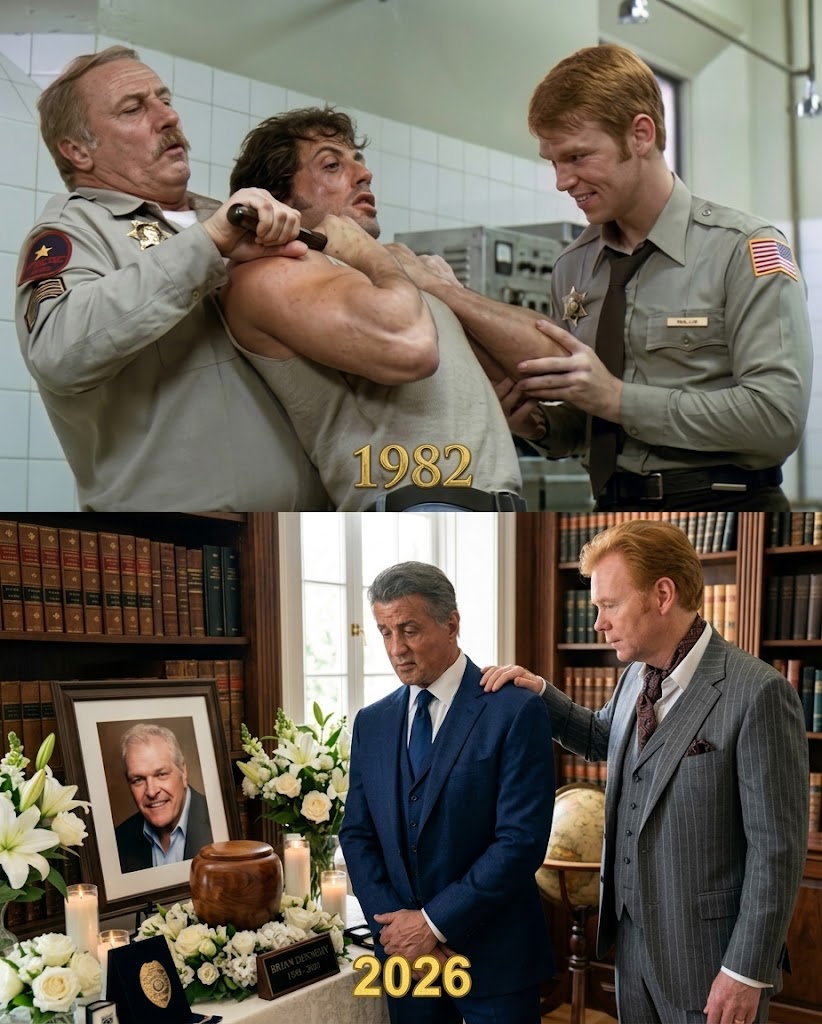
In the damp, unforgiving forests of the Pacific Northwest in 1982, three men stepped into the mountains to shoot a film that would inadvertently redefine action cinema. Sylvester Stallone, Brian Dennehy, and a young David Caruso did not just make a movie called First Blood; they captured a haunting, lightning-in-a-bottle exploration of trauma, institutional pride, and societal abandonment. Decades later, following the passing of Dennehy, the brotherhood forged in those rain-soaked woods has taken on an even more profound, emotional weight.
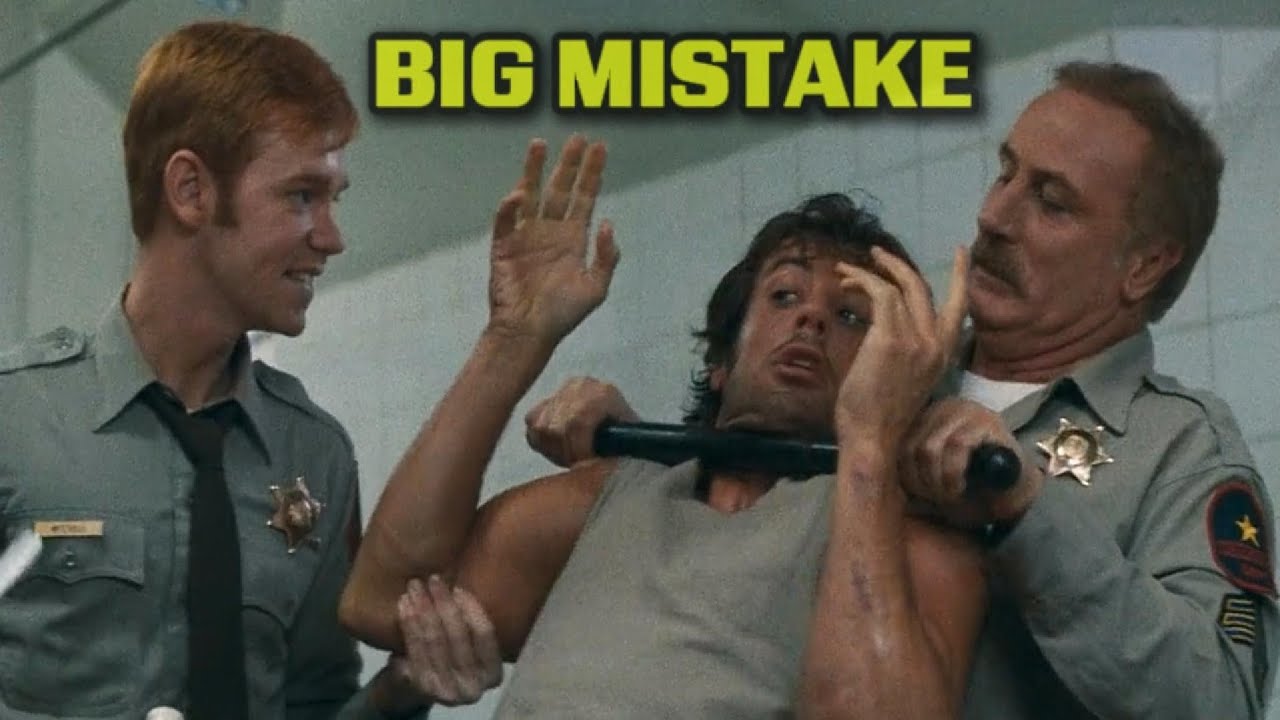
Before First Blood became an explosive franchise, it was an intimate psychological drama disguised as a survival thriller. Sylvester Stallone delivered the most vulnerable performance of his career, portraying John Rambo not as an untouchable superhero, but as a broken ghost of the Vietnam War drifting through a homeland that had forgotten him. Countering Stallone’s raw grief was Brian Dennehy’s commanding presence as Sheriff Will Teasle. Dennehy refused to play a cartoon villain, choosing instead to ground the sheriff in a stubborn, territorial pride that gave the film its true tragic weight. Watching it all unfold was a young David Caruso as Deputy Mitch, bringing a subtle, uneasy humanity to the screen years before finding television icon status.
What transformed First Blood into an immortal classic was not the budget or the stunts, but the genuine respect shared among its cast. The grueling production conditions in British Columbia forged an authentic bond between Stallone, Dennehy, and Caruso that outlasted Hollywood’s volatile landscape. Though their careers eventually pulled them in wildly different directions—Stallone to global superstardom, Caruso to television royalty, and Dennehy to Broadway prestige—the mutual admiration remained unchanged for nearly forty years.
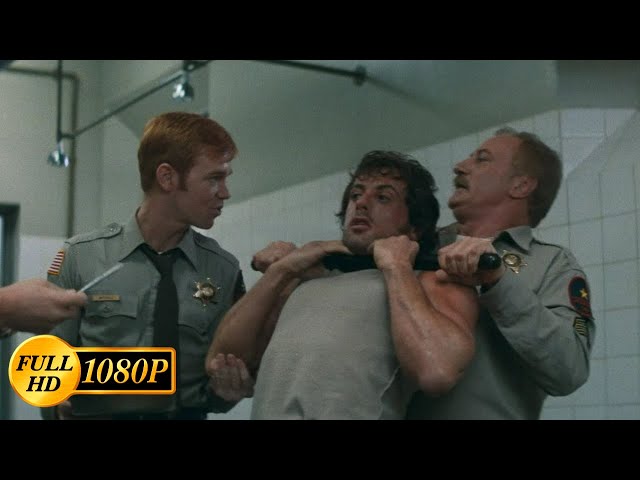
When Brian Dennehy passed away at the age of eighty-one, the public tributes from his former co-stars carried a rare, unfiltered grief. They were mourning a brother who had helped them build a masterpiece. Today, when audiences rewatch Rambo fleeing into the mist, they are watching a timeless monument to human connection. One became an icon, one a television legend, and one a master of his craft. Though only two remain, their shared cinematic legacy ensures that somewhere in those frozen mountains, the chase never truly ends.