NEW TWIST IN THE HAWAII MONK SEAL CASE: FEDERAL PROSECUTION AND QUESTIONS ABOUT “LANI”
NEW TWIST IN THE HAWAII MONK SEAL CASE: FEDERAL PROSECUTION AND QUESTIONS ABOUT “LANI”
Maui, Hawaii – May 18, 2026 — The viral video of a tourist allegedly throwing a rock at an endangered Hawaiian monk seal has taken a major new turn, sparking national attention, online debate, and questions about whether Hawaii’s rare marine wildlife is truly protected.
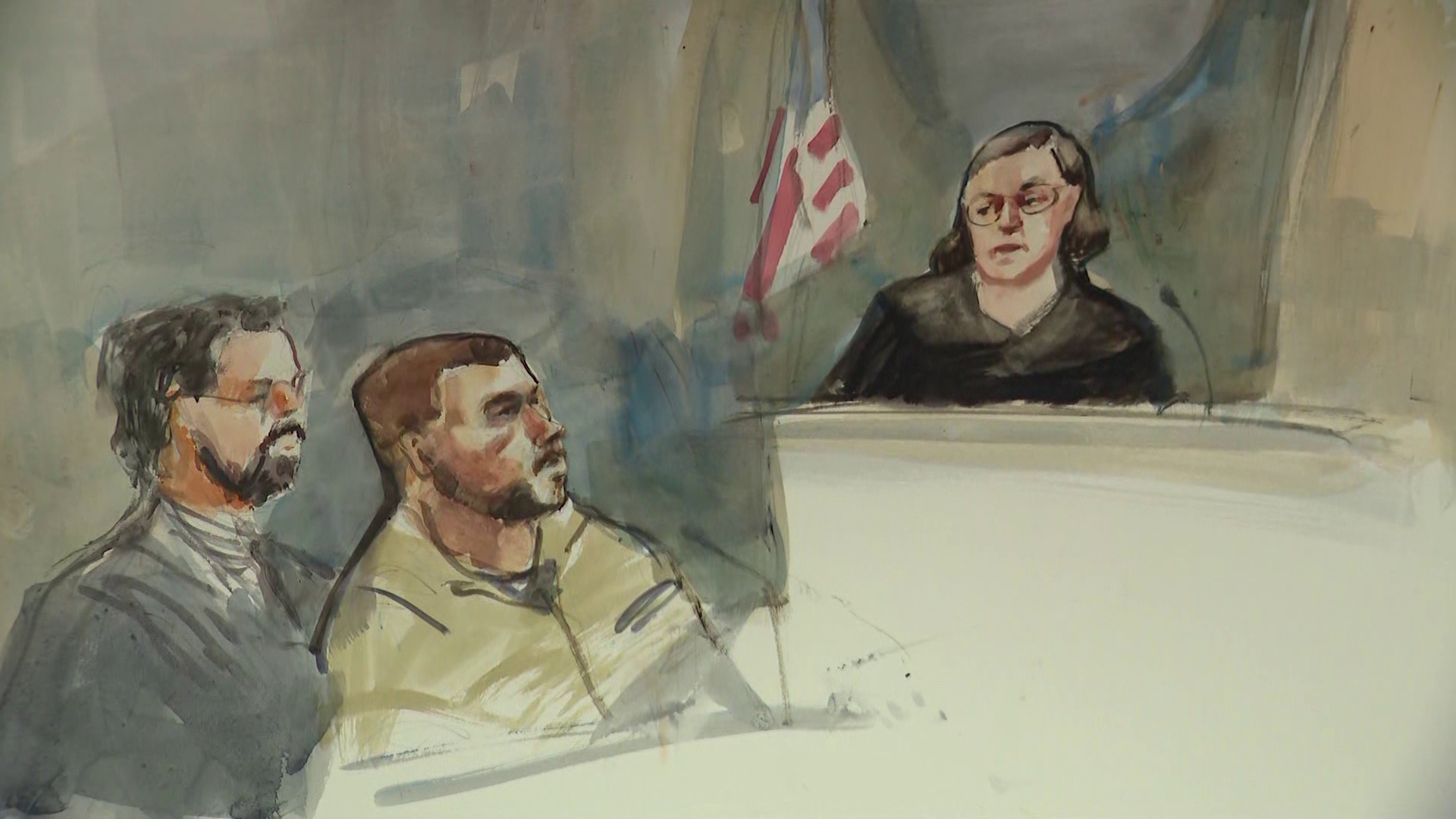
Federal authorities have now formally charged Igor Mykhaylovych Lytvynchuk with harassment of a protected animal under U.S. federal law. He faces up to one year in prison and fines that could reach $70,000 Prosecutors describe the incident as “harassing and attempting to harass” the seal, but they have not confirmed that the rock made direct contact. Investigators note the rock may have “narrowly missed” the seal’s head, a detail that could play a decisive role in how severe the case becomes.
Questions About Identity: Was It Really “Lani”?
Adding to the controversy, some local residents and community sources have raised doubts about whether the seal in the viral video was actually Lani, the female monk seal previously known to the public. According to reports, the seal may have been an unidentified male whose health was later confirmed to be stable ([Reddit][2]). While authorities maintain that the animal involved is being properly cared for, the uncertainty has fueled discussions online and in Hawaiian media about the true scope of the incident.
The Role of Unreleased Footage
At the center of ongoing investigations is whether additional video evidence exists. Social media discussions, Reddit threads, and community posts suggest that tourists present that day may have recorded other angles of the incident ([Reddit][3]). If such footage surfaces and shows direct impact, the case could be dramatically escalated, with potentially stronger penalties under federal wildlife protection laws.
A Broader Debate: Wildlife Protection in Hawaii
While the video first went viral as an isolated incident of a tourist behaving irresponsibly, many Hawaiians now see it as a symbolic test of the state’s commitment to protecting endangered wildlife. For years, visitors have approached, touched, and even harassed monk seals on Hawaiian beaches, and prosecutions have been rare.
“This isn’t just about one rock or one seal,” said Leilani Kalama of the Hawaiian Marine Conservation Alliance. “It’s about whether endangered species in Hawaii will finally receive the protection they deserve, or if this kind of harassment continues to go unpunished.”
Public Outrage and National Attention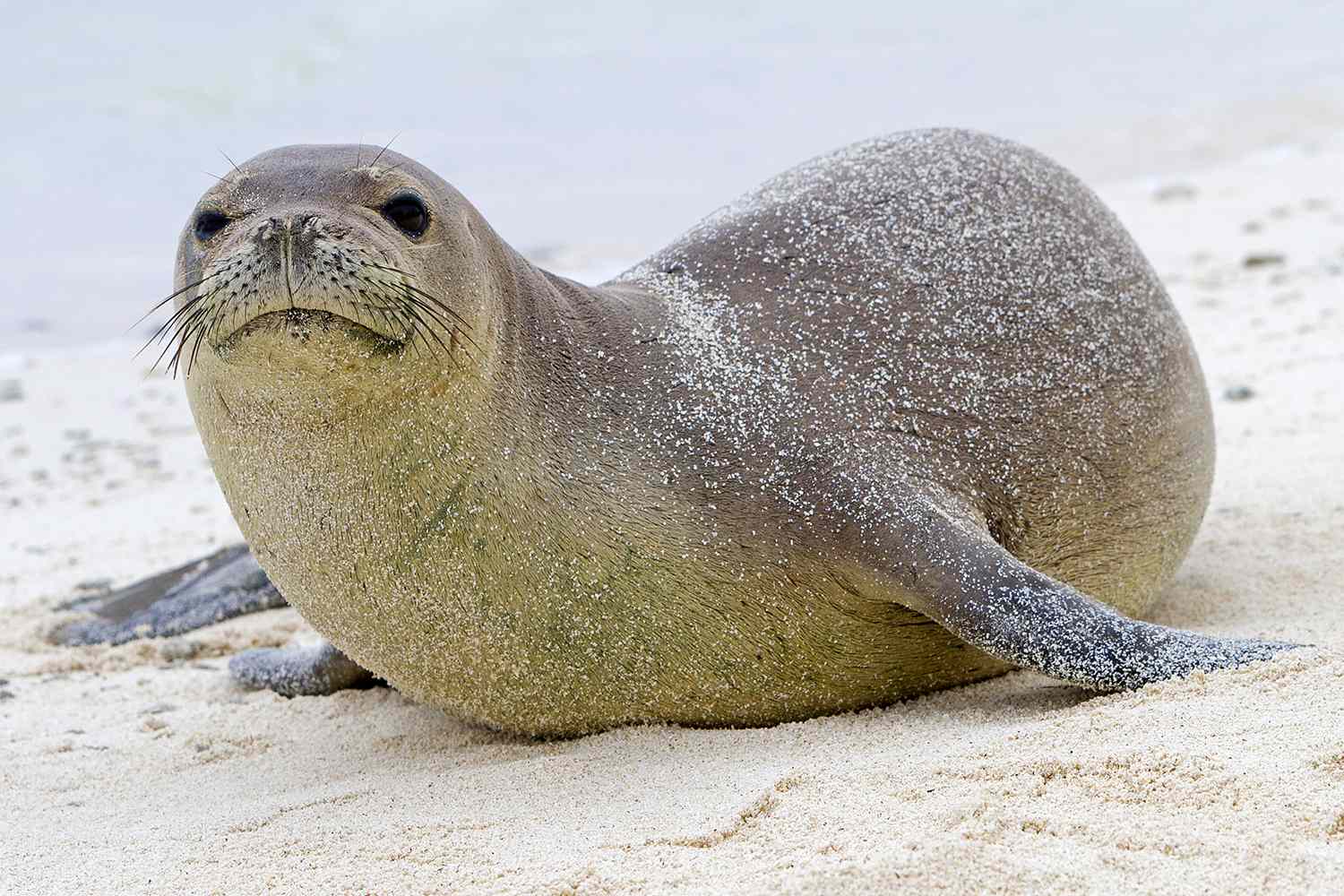
The case has become a flashpoint online, with hashtags such as #SaveLani, #WildlifeJustice, and #ProtectMarineLife trending across multiple platforms. Social media posts have called for strict enforcement of existing laws and transparency in the investigation, while news outlets from ABC to KING 5 have covered the story extensively
“The attention this case is getting reflects growing public concern for marine conservation,” said marine law specialist Dr. Keoni Matsuda. “People want to know that endangered species are genuinely protected, and this case could set a precedent for how seriously authorities treat wildlife harassment in Hawaii.”
Next Steps
Investigators are still reviewing all available footage and witness statements. Officials have not confirmed the existence of additional “secret videos,” but the possibility of new evidence keeps both the public and prosecutors on edge. Legal experts warn that even if the rock narrowly missed, evidence of reckless intent alone could result in significant penalties.
For now, the case continues to unfold, balancing viral social media attention, legal scrutiny, and the broader question of Hawaii’s responsibility to its endangered marine species. Many hope that regardless of the outcome, the Lani case will send a clear message: endangered wildlife will not be left unprotected, and accountability matters.