TIMMY’S STORY JUST TOOK A SHOCKING TURN
TIMMY’S STORY JUST TOOK A SHOCKING TURN
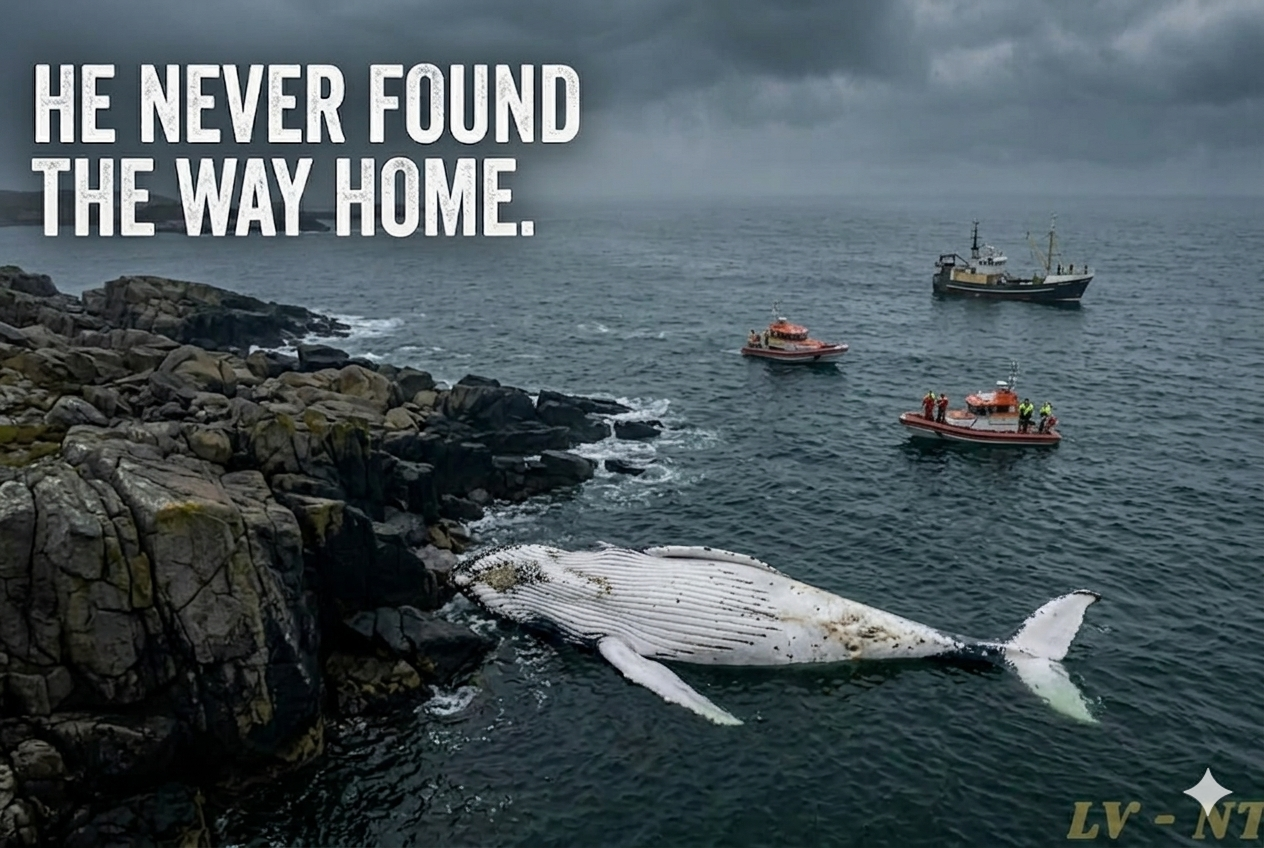
Copenhagen, Denmark — The heart-wrenching saga of a humpback whale named Timmy has captured the world’s attention. Authorities confirmed that Timmy’s body will not be recovered from the North Sea, leaving her to decompose naturally. But what made this tragedy even more devastating? Timmy was likely female.
A Whale Lost, A Global Conversation Started
The news has ignited a firestorm online. Millions of people are asking the same questions:
- Was help too late?
- Could she have been saved?
- Or are whales quietly dying from threats humans barely see, like ghost nets and ship strikes?
While some experts defend the decision to leave Timmy, explaining that a whale carcass nourishes ocean ecosystems for years, others are outraged. The situation has become a symbol of the fragile balance between human activity and marine life.
The Silent Threats Lurking Beneath
Marine scientists warn that whales face hidden dangers daily:
- Ghost nets: Lost or abandoned fishing gear that can entangle and fatally injure marine animals.
- Ship strikes: Collisions with vessels, a leading cause of death for large whales worldwide.
- Environmental pressures: Shifts in prey availability, climate change, and pollution force whales into unfamiliar or dangerous waters.
Timmy’s passing has brought these silent threats into the spotlight, reminding the world how much more we need to do to protect ocean life.
Social Media Reacts
The internet has been flooded with tributes and grief. Many were deeply affected by the news that Timmy was likely female, adding emotional weight to the tragedy. People are now using her story to spark discussions about ocean conservation and human responsibility toward marine ecosystems.
“Timmy’s death is heartbreaking, but her story could be the wake-up call we all need. Every whale, every ocean creature, matters,” shared one Twitter user.
Lessons for the Future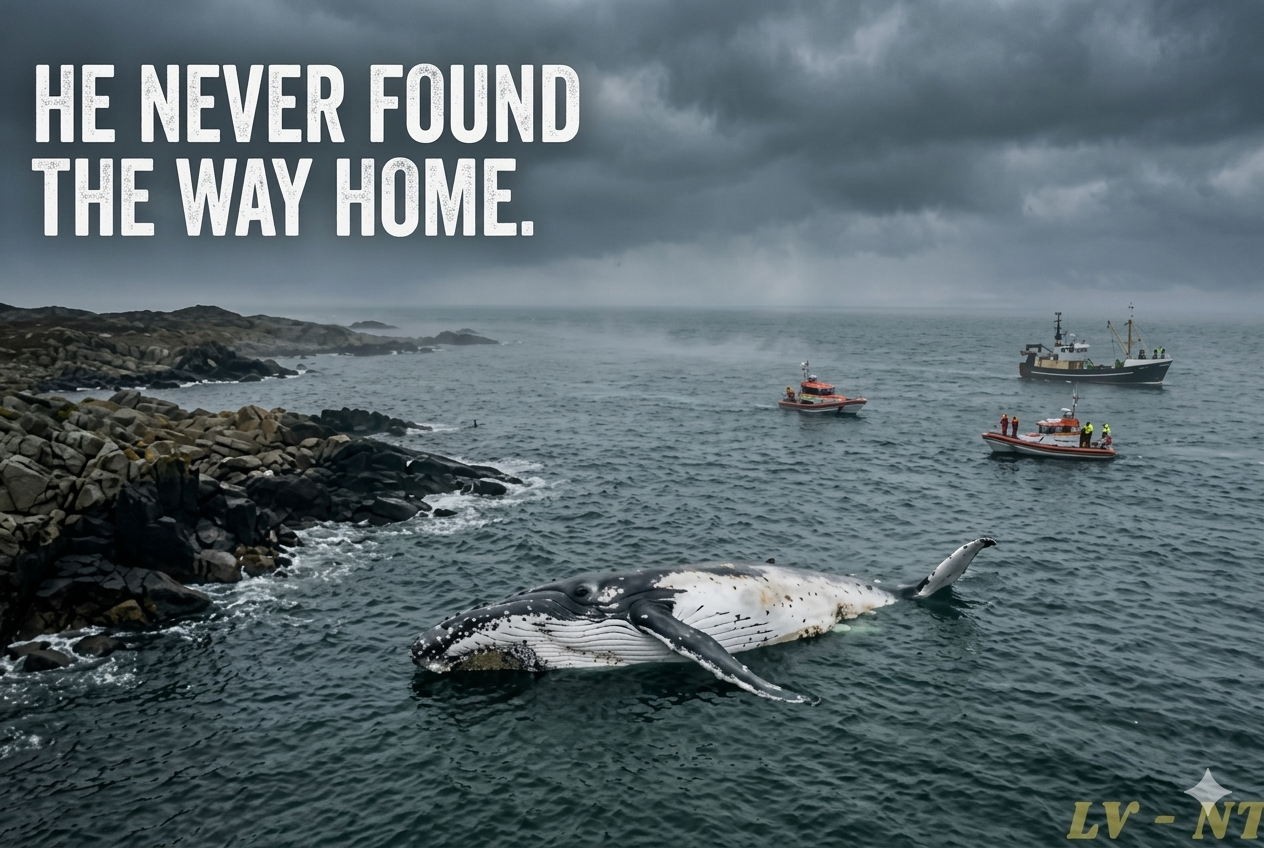
Timmy’s story highlights the urgent need for action:
- Monitoring and early intervention: Enhanced systems to detect whales and other large marine animals near coastlines.
- Rescue preparedness: Specialized teams equipped to respond quickly in emergencies.
- Research and prevention: Studying causes of whale mortality to reduce human-made risks.
Although Timmy is gone, her story continues to resonate worldwide. Her passing is a stark reminder that the oceans are fragile, human impacts are real, and the loss of even a single whale can awaken millions to the urgent need for conservation.