Unstoppable Spirit: How Prince Randian Transformed Physical Limitation into Universal Liberation
Unstoppable Spirit: How Prince Randian Transformed Physical Limitation into Universal Liberation
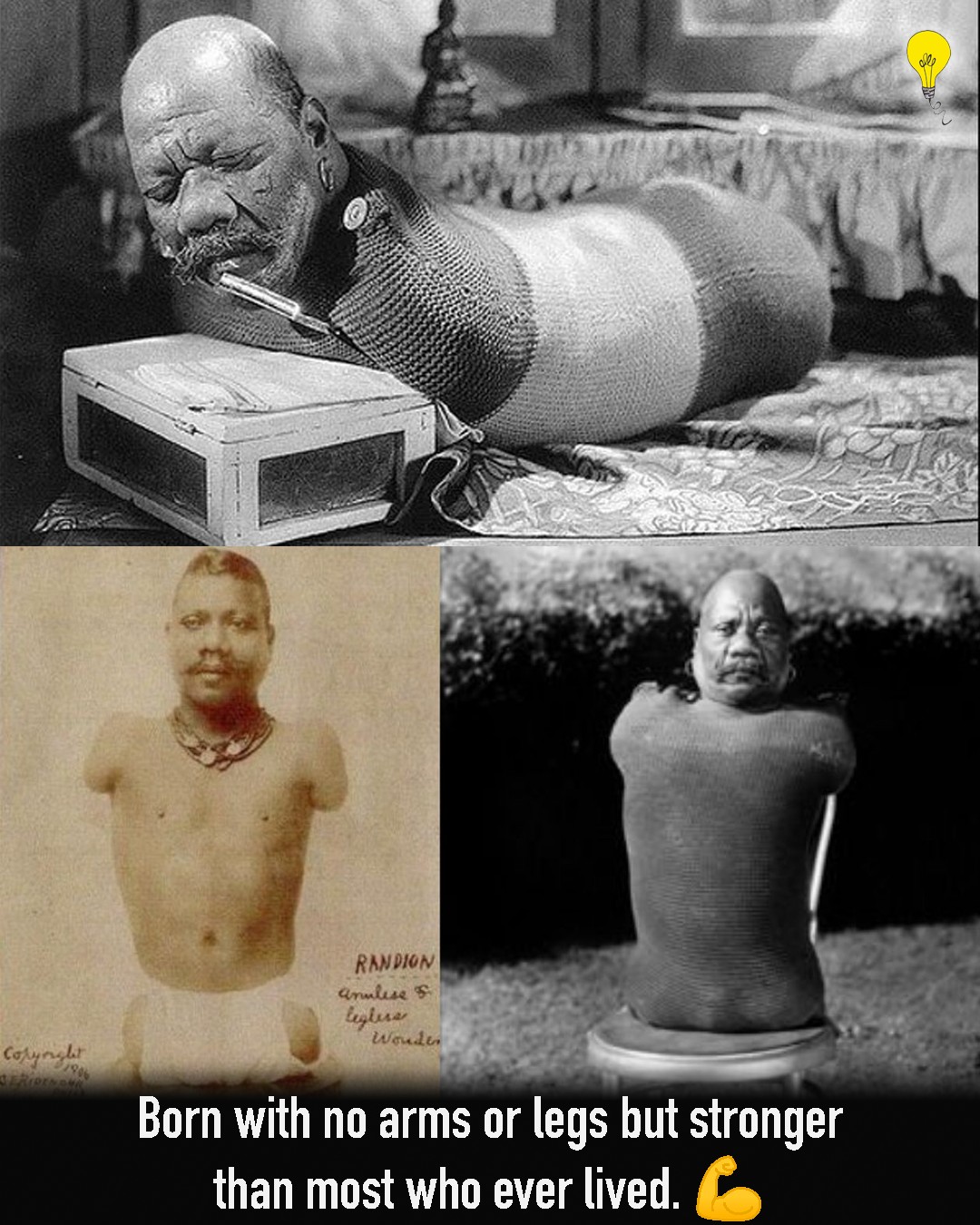
History often remembers the great and the powerful by the empires they built or the monuments they left behind, but some of the most profound legacies are forged in the quiet laboratory of personal resilience. Born in British Guiana in 1871, Prince Randian entered a world that was utterly unprepared for him. He was born with Tetra-Amelia syndrome, a rare congenital disorder that left him completely without arms or legs. In the late 19th century, a diagnosis of this magnitude was almost universally viewed as a life sentence of helpless dependency and invisible isolation. Yet, the man who would eventually be known to the world as The Human Caterpillar refused to let the boundaries of his flesh dictate the parameters of his soul.
Instead of surrendering to the crushing weight of societal pity, Prince Randian mastered the art of autonomous living through sheer force of will and extraordinary adaptability. He re-engineered the mechanics of daily existence, learning to shave, write with a pen, paint intricate pieces, and even roll cigarettes using only his mouth, lips, and shoulders. His movements were so fluid and precise that they defied the conventional understanding of human anatomy. In 1932, his genius was captured forever on film in the cult classic movie Freaks. In one of cinema’s most astonishing and enduring scenes, Randian is shown rolling a cigarette, striking a match, and lighting it entirely on his own. There were no camera tricks, no special effects, and no outside assistance—just a display of raw human determination that left audiences spellbound.
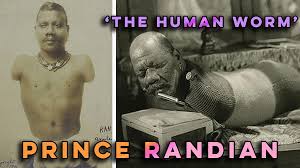
What makes Prince Randian’s story truly viral and deeply moving is that he actively chose never to view himself as a tragedy. He did not merely survive in the margins of society; he thrived at its very center. He traveled the globe as a celebrated performer, became a master of multiple languages, married a woman named Sarah, and fathered five children. He built a full, rich, and deeply meaningful life, proving that true strength has absolutely nothing to do with the limbs of the body and everything to do with the depth of the human will. His legacy remains a powerful reminder to the modern world that our limitations only define us if we give them permission to do so.