MUM’S ‘ROUTINE’ PREGNANCY SCAN TURNED INTO A FIGHT TO SAVE HER BABY GIRL BORN WITH HALF A HEART
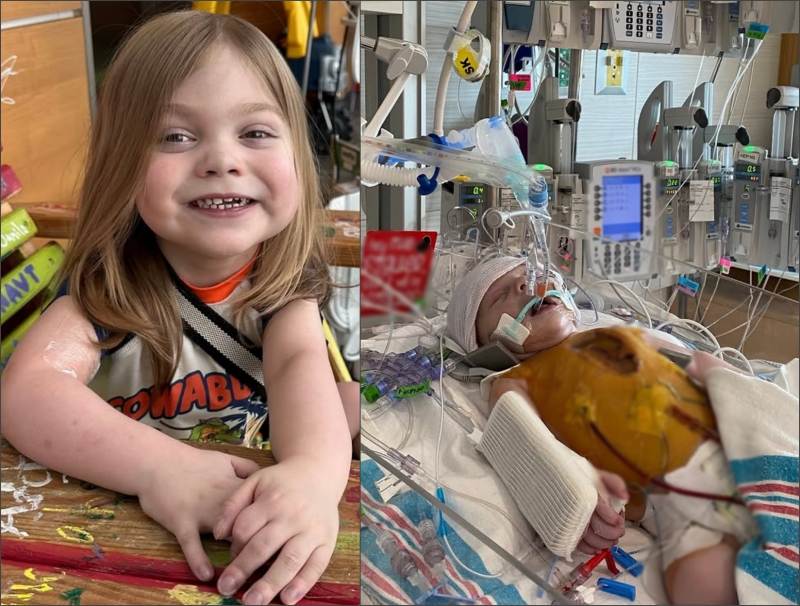
What began as a routine 21-week pregnancy scan quickly became every parent’s nightmare when doctors discovered something unusual with baby Luke’s heart.
During the anatomy scan, an EIF marker prompted further testing, leading doctors to uncover a serious underdevelopment on the left side of the little girl’s heart. After being referred to a fetal cardiologist, her family received the devastating diagnosis: Hypoplastic Left Heart Syndrome (HLHS) — a rare congenital condition in which the left side of the heart does not develop properly.
From that moment forward, the pregnancy became filled with specialist appointments, close monitoring, and preparations for a complicated delivery.
Doctors created a detailed medical plan to give Luke the best possible chance at survival. Her mother traveled nearly two-and-a-half hours to New Orleans for a planned delivery at Touro Infirmary, where specialists were prepared to intervene immediately after birth.
Thankfully, labor went smoothly.
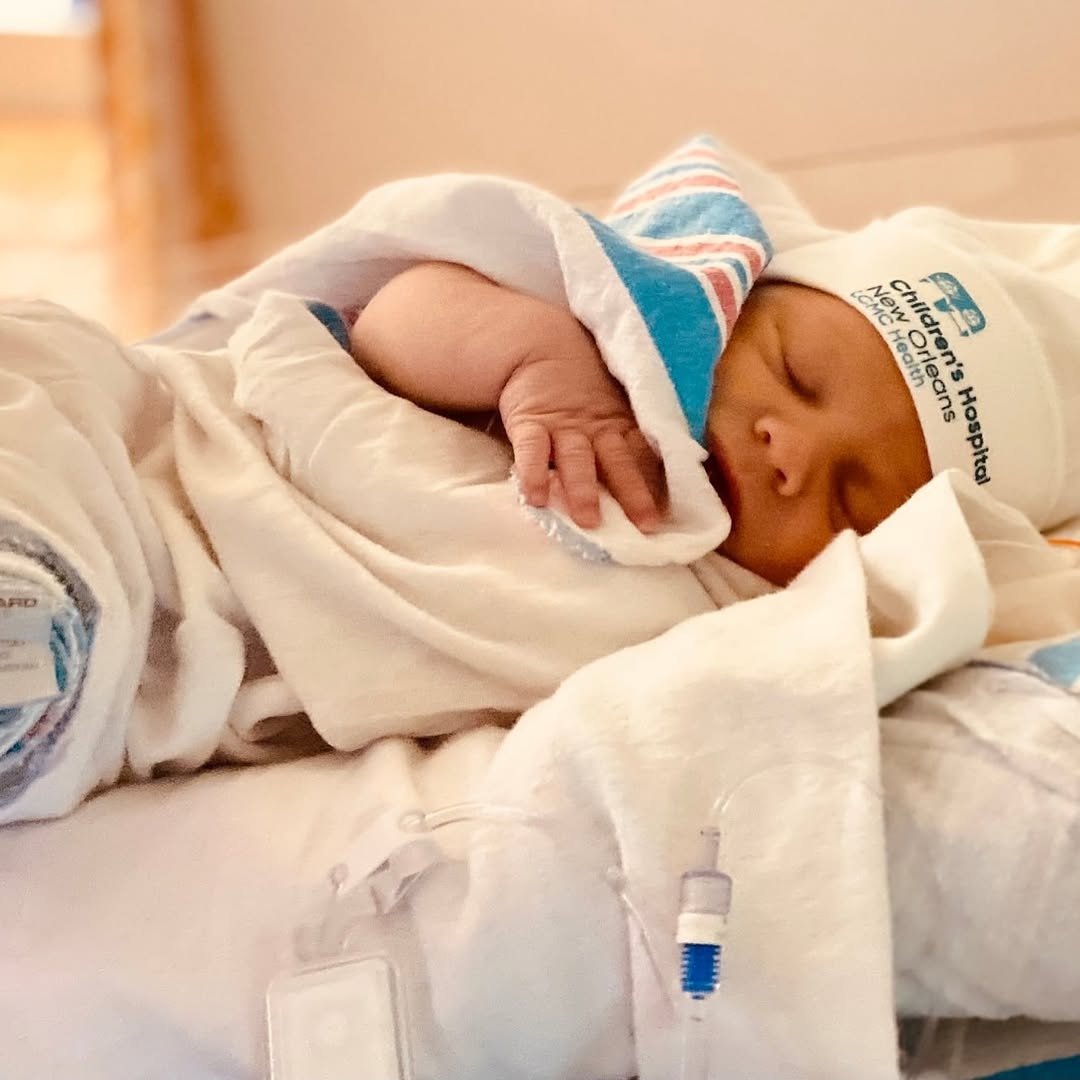
But moments after Luke entered the world, the fight for her life began.
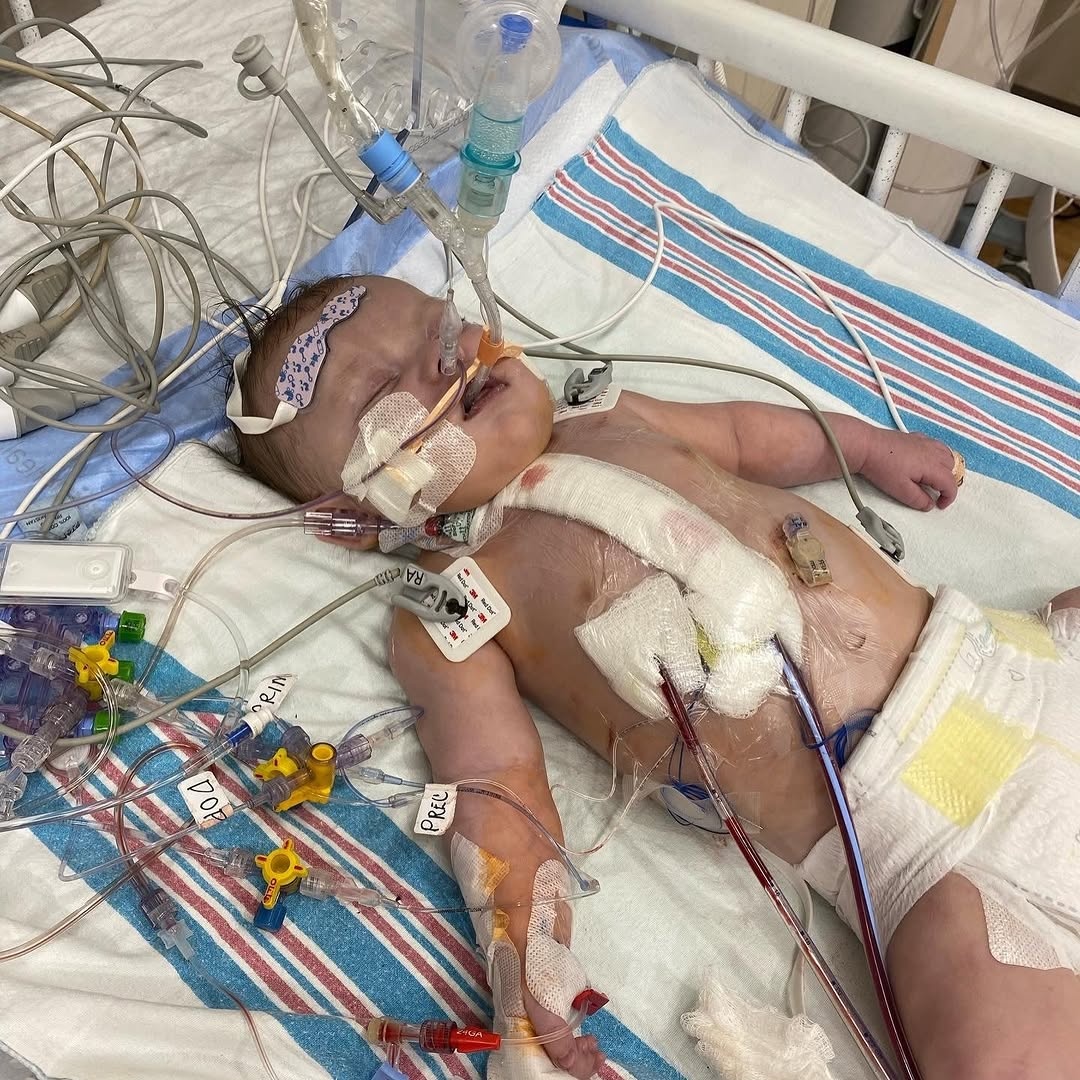
Doctors quickly stabilized the newborn with a central line and medication designed to keep a critical blood vessel open before she was transferred by ambulance to Children’s Hospital of New Orleans, now known as Manning Family Children’s Hospital.
The first days of Luke’s life became an emotional nightmare for her family.
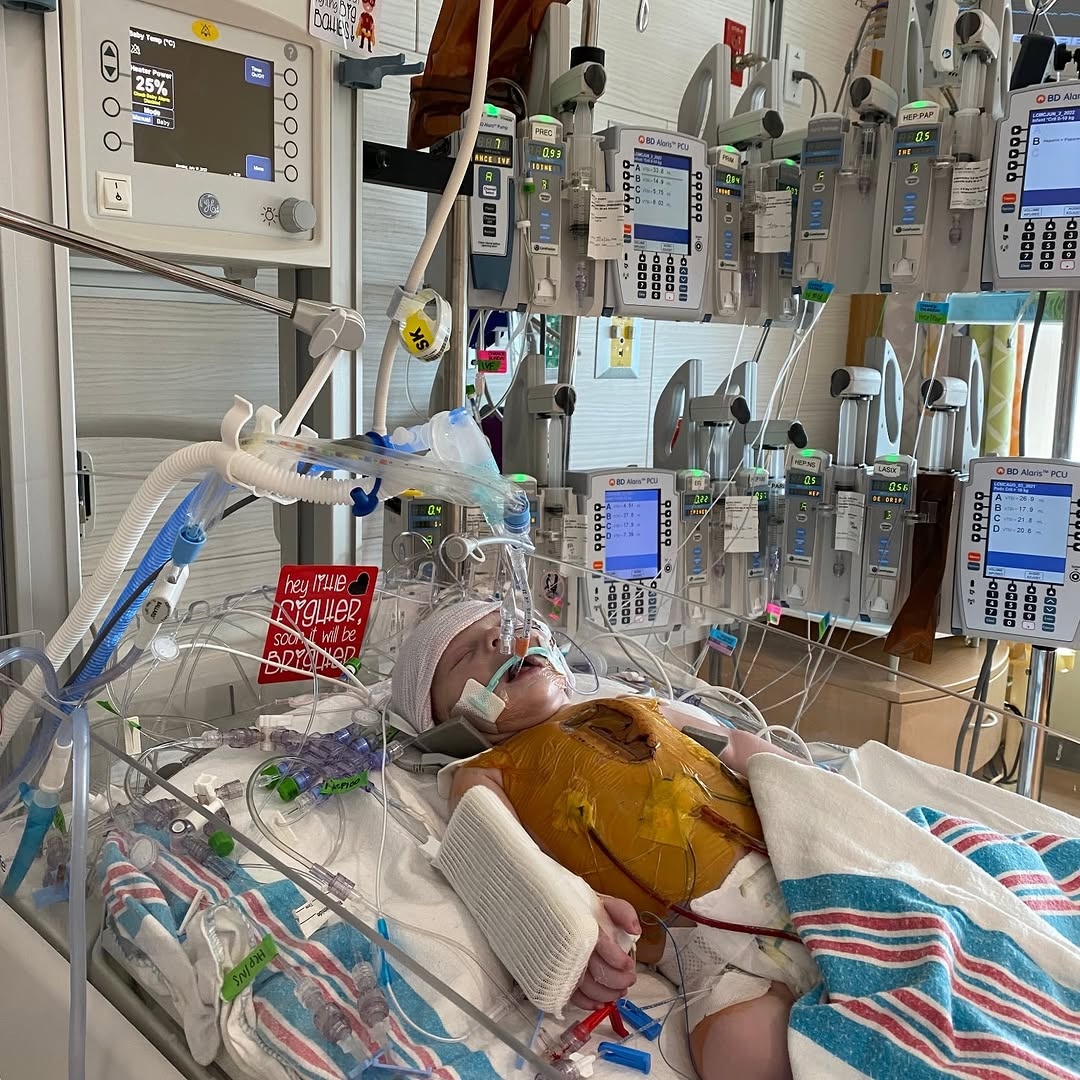
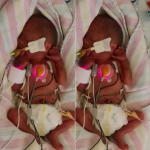
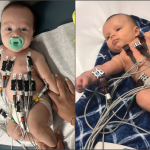
They watched helplessly as their tiny daughter struggled to breathe, her heart rate soaring dangerously high while doctors rushed to stabilize her fragile body with oxygen support and constant monitoring.
Due to the risk of serious complications, Luke could only receive minimal breast milk through a feeding tube.
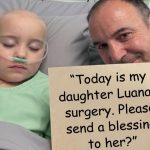
At just seven days old, she underwent the Norwood procedure — one of the major surgeries required for children born with HLHS.
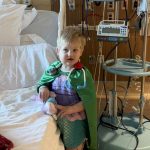
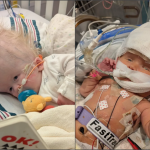
What followed were two exhausting months inside the hospital.
Luke battled through collapsed lungs, infections, feeding complications, vocal cord paralysis, fluid buildup around the lungs, painful withdrawals, and delayed chest closure after surgery.
“There were moments we felt completely terrified,” her family shared. “But she kept proving over and over again how strong she really is.”
After surviving some of the hardest complications, one major challenge remained: feeding safely.
Doctors explained that before Luke could finally go home, she would need a G-tube placement and a Nissen fundoplication procedure to help with severe feeding difficulties caused by a hiatal hernia.
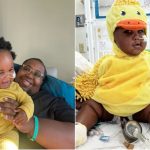
Finally, after months surrounded by machines and hospital monitors, Luke was allowed to go home.
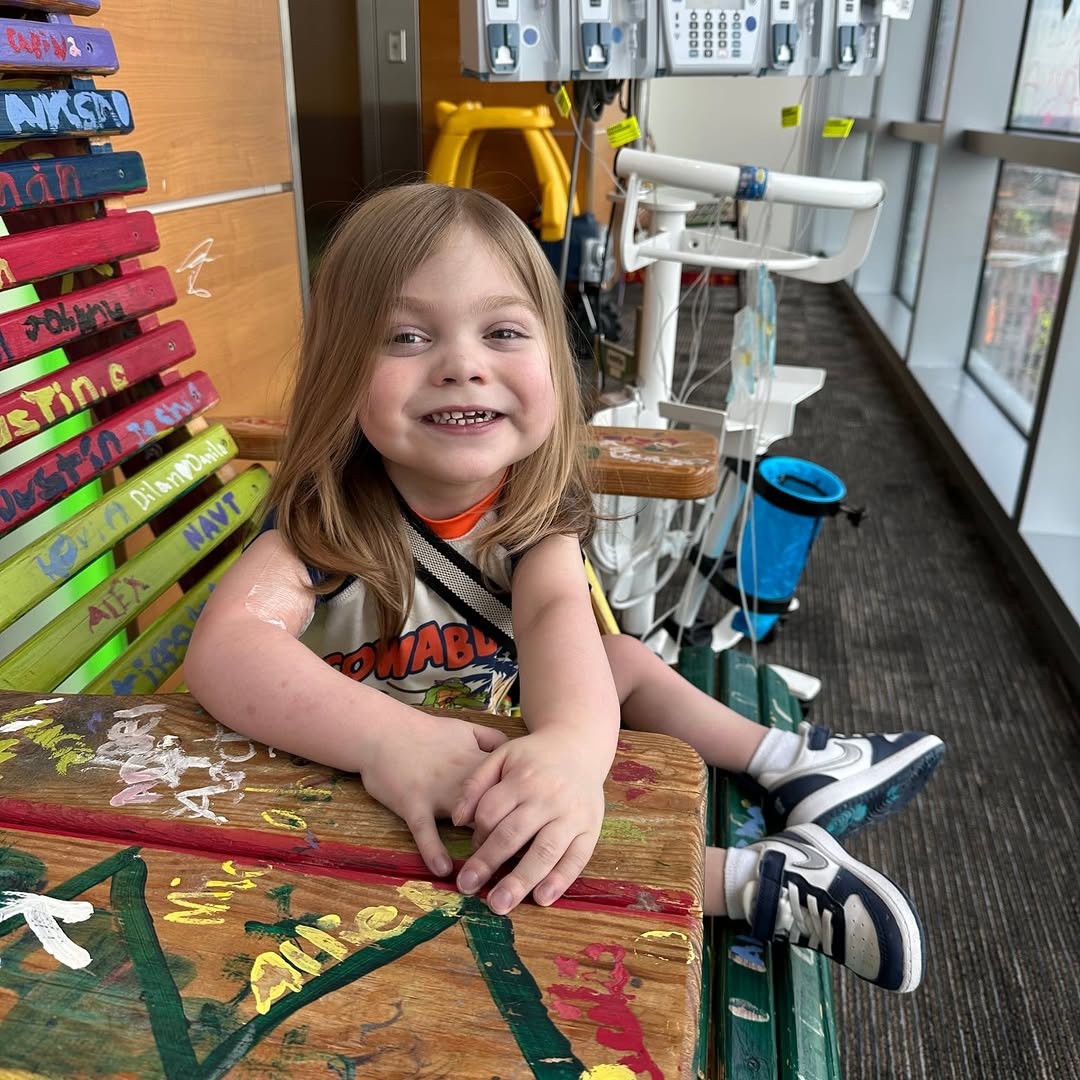
During the fragile months between surgeries, her parents carefully monitored every detail of her health daily — oxygen levels, weight, feeds, medications, and vital signs — while remaining under close supervision from cardiology teams through both in-person appointments and telemedicine.
But around four-and-a-half months old, doctors noticed signs that she was beginning to outgrow the circulation created by her first surgery. She was sent back to New Orleans for a cardiac catheterization procedure, where specialists determined she would need to undergo the next stage of treatment: the Glenn procedure.
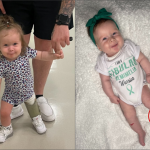
Despite everything she has endured in just a few short months of life, Luke continues to inspire everyone around her.
“She has already fought battles most adults could never imagine,” her family said. “And somehow, she still keeps fighting every single day.”