BREAKING: “HUNDRED-YEAR-OLD MYSTERY UNVEILED” — HORRIFYING DISCOVERY SHAKES KRUGER NATIONAL PARK
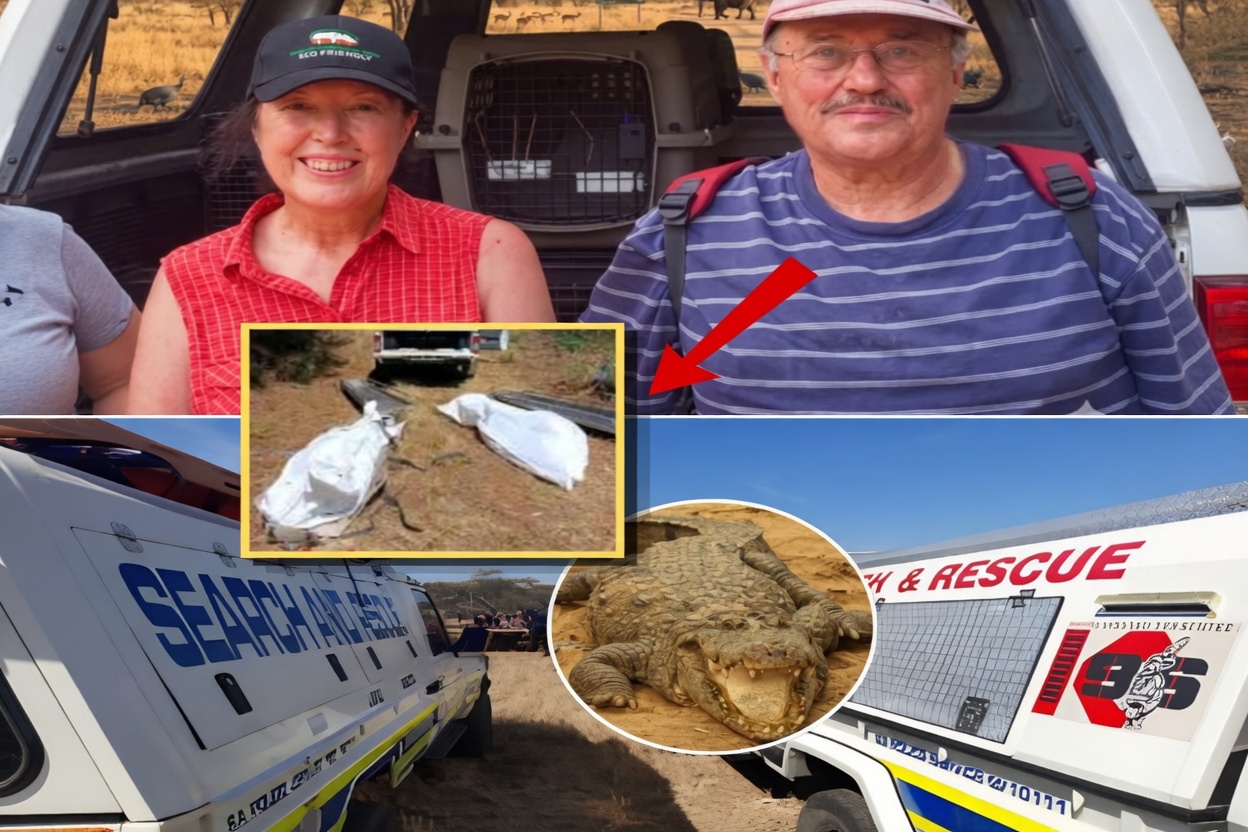
Kruger National Park, South Africa — One of the most remote and protected regions of the park, the Luvuvhu sector, has been the scene of a chilling discovery that is sending shockwaves through the conservation and scientific communities.
For more than a century, the Luvuvhu area has held an unsolved anomaly—an unexplained phenomenon documented in historical ranger reports but never fully understood. Now, new evidence suggests the anomaly may be far more sinister than anyone imagined.
A DISCOVERY THAT CHANGED EVERYTHING
According to official statements, park rangers recently stumbled upon remains, structural formations, and signs of prolonged human or animal activity that had gone unnoticed for decades.
The find includes:
- Unusual skeletal remains suggesting unnatural predation or human involvement.
- Old, partially buried structures whose origin is still unknown.
- Evidence of anomalous patterns in the terrain, visible only via aerial surveys and satellite mapping.
Authorities describe the site as “highly unusual” and have placed the area under immediate quarantine while forensic and conservation experts continue their analysis.
HISTORICAL MYSTERY MEETS MODERN SCIENCE
Historical records indicate that for nearly 100 years, rangers and visitors reported strange phenomena in the Luvuvhu sector—disappearances of animals, strange markings, and untraceable signals. Most of these reports were dismissed as folklore or natural anomalies.
Now, forensic teams using ground-penetrating radar, DNA analysis, and drone mapping are uncovering evidence that challenges previous assumptions. Early tests suggest the anomaly may involve interactions between human activity and rare wildlife behavior, potentially explaining some of the century-old reports.
THE CHILLING IMPLICATIONS
The discovery has raised serious questions about safety, conservation, and the unknown threats lurking in one of Africa’s most iconic parks:
- Could this anomaly be linked to historical poaching or criminal activity?
- Are there undiscovered dangers in remote sections of the park that authorities have overlooked?
- What impact might these findings have on tourism and wildlife protection efforts?
Park officials are urging the public not to enter the area, citing both safety concerns and the need to preserve critical evidence. Investigators are also coordinating with local and international experts to fully assess the implications.
NATIONAL AND INTERNATIONAL REACTIONS
News of the discovery has spread rapidly:
- Conservation groups are calling for increased surveillance and protection of remote sectors.
- Scientists are expressing excitement at the potential to solve a century-old mystery.
- Social media users have drawn comparisons to other historic anomalies and unexplained phenomena around the world, fueling viral speculation.
Despite the intrigue, authorities emphasize caution: the anomaly is real, but much about it remains unverified. Experts warn against jumping to conclusions or spreading unconfirmed theories online.
A REMINDER OF KRUGER’S SECRETS
Kruger National Park spans nearly 20,000 square kilometers and is home to some of Africa’s most famous wildlife. Its vast, remote areas have always carried risks, from natural predators to human activity.
The Luvuvhu sector anomaly is a stark reminder of how even century-old mysteries can resurface, demanding attention from scientists, authorities, and the public alike.
As investigations continue, the park remains open to visitors in other areas, but the Luvuvhu sector is now cordoned off. Experts predict it may take months—if not years—before a full understanding of the anomaly is reached.
THE QUESTIONS THAT REMAIN
- Who or what is responsible for the unusual remains and structures?
- Could this anomaly explain other long-standing reports of strange events in Kruger?
- Will the findings force a rethink of how park authorities monitor and protect remote regions?
One thing is certain: the Luvuvhu sector has revealed that even in the most famous wildlife reserves, there are secrets that refuse to stay buried.
For now, scientists, rangers, and the public are left waiting—watching, analyzing, and wondering what the next discovery will reveal about the century-old anomaly at Kruger.