Archaeopteryx — The Fossil That Connected Dinosaurs to Bird
Archaeopteryx — The Fossil That Connected Dinosaurs to Birds
The discovery of Archaeopteryx remains one of the most important breakthroughs in the history of paleontology. Found in limestone deposits in Germany in the 19th century, this ancient creature helped reshape scientific understanding of how birds evolved from dinosaurs.
Dating back approximately 150 million years to the Late Jurassic period, Archaeopteryx lived at a time when dinosaurs dominated the Earth. What made the fossil extraordinary was its unusual combination of features—some clearly reptilian, others distinctly bird-like.
A Creature Between Two Worlds
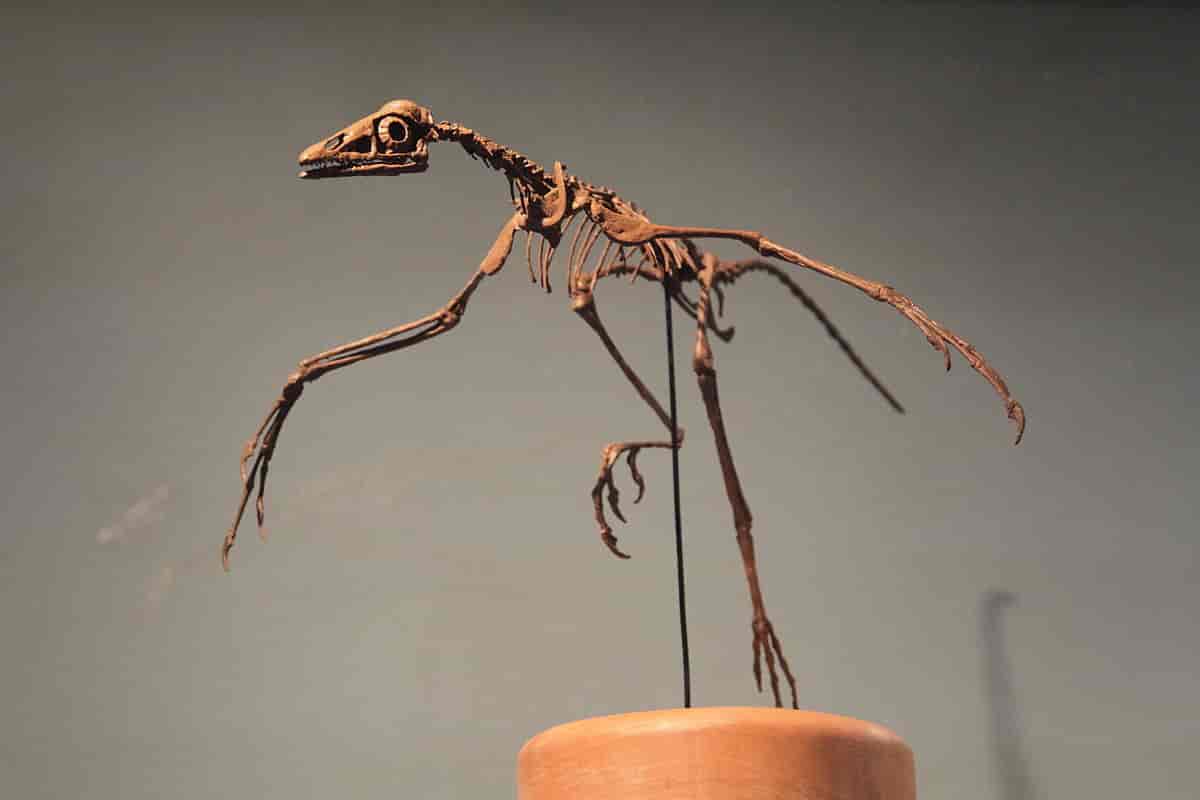
Archaeopteryx had feathers and wings similar to modern birds, suggesting it was capable of at least limited flight or gliding. At the same time, it also possessed teeth, a long bony tail, and clawed fingers—traits typically associated with small theropod dinosaurs.
This mix of characteristics made it a key “transitional fossil,” supporting the idea that birds evolved gradually from dinosaur ancestors rather than appearing suddenly in the fossil record.
Why the Fossil Was So Important
When the first specimen was discovered in the 1860s, it arrived at a time when Charles Darwin’s theory of evolution was still being debated. The fossil provided tangible evidence that supported evolutionary theory by showing a clear anatomical link between two major groups of animals.
Since then, additional Archaeopteryx specimens have been found, each helping scientists refine their understanding of early avian evolution.
What Scientists Have Learned
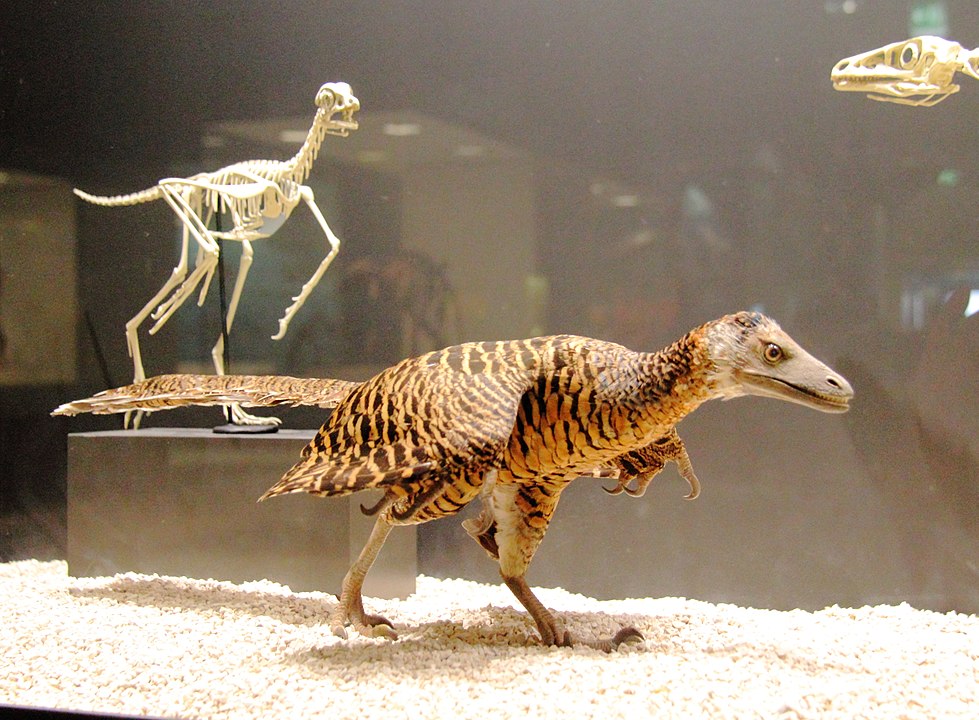
Studies of Archaeopteryx fossils suggest it lived in a warm, tropical environment filled with islands, forests, and shallow lagoons. Its feathers were likely used for display, insulation, and possibly flight assistance rather than full powered flight like modern birds.
Researchers also continue to debate how well it could fly, with some suggesting it was more of a glider that moved between trees rather than a strong flapping flier.
Not a Missing Link, But a Branch
While Archaeopteryx is often described as a “missing link,” scientists emphasize that evolution is not a simple chain but a branching tree. Archaeopteryx represents one of many early bird-like dinosaurs, not the single ancestor of all modern birds.
Still, its discovery remains crucial because it clearly demonstrates the evolutionary transition between non-avian dinosaurs and birds.
A Fossil That Changed Science Forever
More than 150 years after its discovery, Archaeopteryx continues to be studied as new technologies reveal more about its structure, feathers, and lifestyle. It remains a symbol of how a single fossil can transform scientific understanding of life on Earth.