Hawaii Monk Seal Case Continues: Defendant Out on Bond as Federal Investigation Progresses
Hawaii Monk Seal Case Continues: Defendant Out on Bond as Federal Investigation Progresses
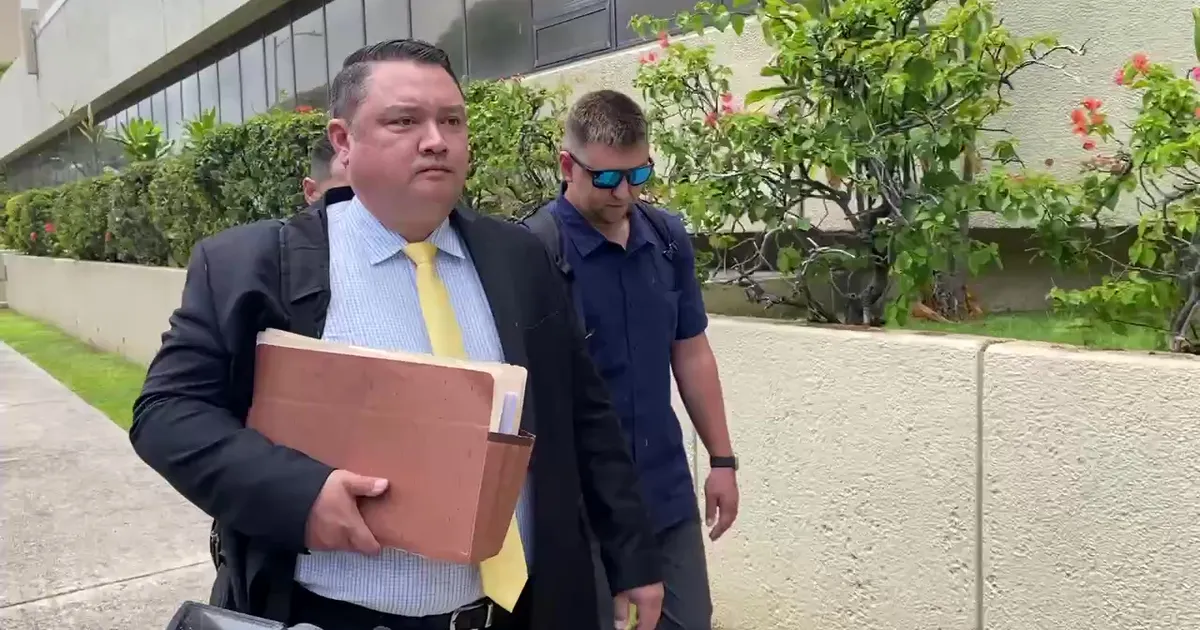
The federal case involving Igor Lytvynchuk, a visitor from Washington, and the alleged harassment of endangered Hawaiian monk seal “Lani”, continues to draw national attention as new developments unfold.
According to court documents, Lytvynchuk remains free on a $25,000 unsecured bond. However, the judge has imposed strict restrictions on his movement, including a complete ban from visiting Hawaii beaches and any contact with marine wildlife, as well as surrendering his passport and complying with other standard federal conditions.
Prosecutors are reviewing video evidence and witness statements that could be key in determining whether the incident was an intentional act of harassment or a misunderstanding of the seal’s behavior. They have emphasized that the evidence must be thoroughly examined before moving forward, given the sensitive nature of interactions with endangered species.
The defense continues to argue that the incident was a misinterpretation of the seal’s behavior rather than a deliberate attempt to cause harm. Lytvynchuk’s attorneys maintain that he acted without malicious intent and stress that no previous violations of wildlife laws have been documented.
Meanwhile, conservation organizations have weighed in, highlighting the broader implications of the case. Many advocates are calling for stricter enforcement around habitats of endangered species, particularly in areas heavily visited by tourists, to prevent future incidents. Hawaiian monk seals, which are among the most endangered marine mammals in the U.S., face significant threats from human interaction, habitat disturbance, and environmental changes.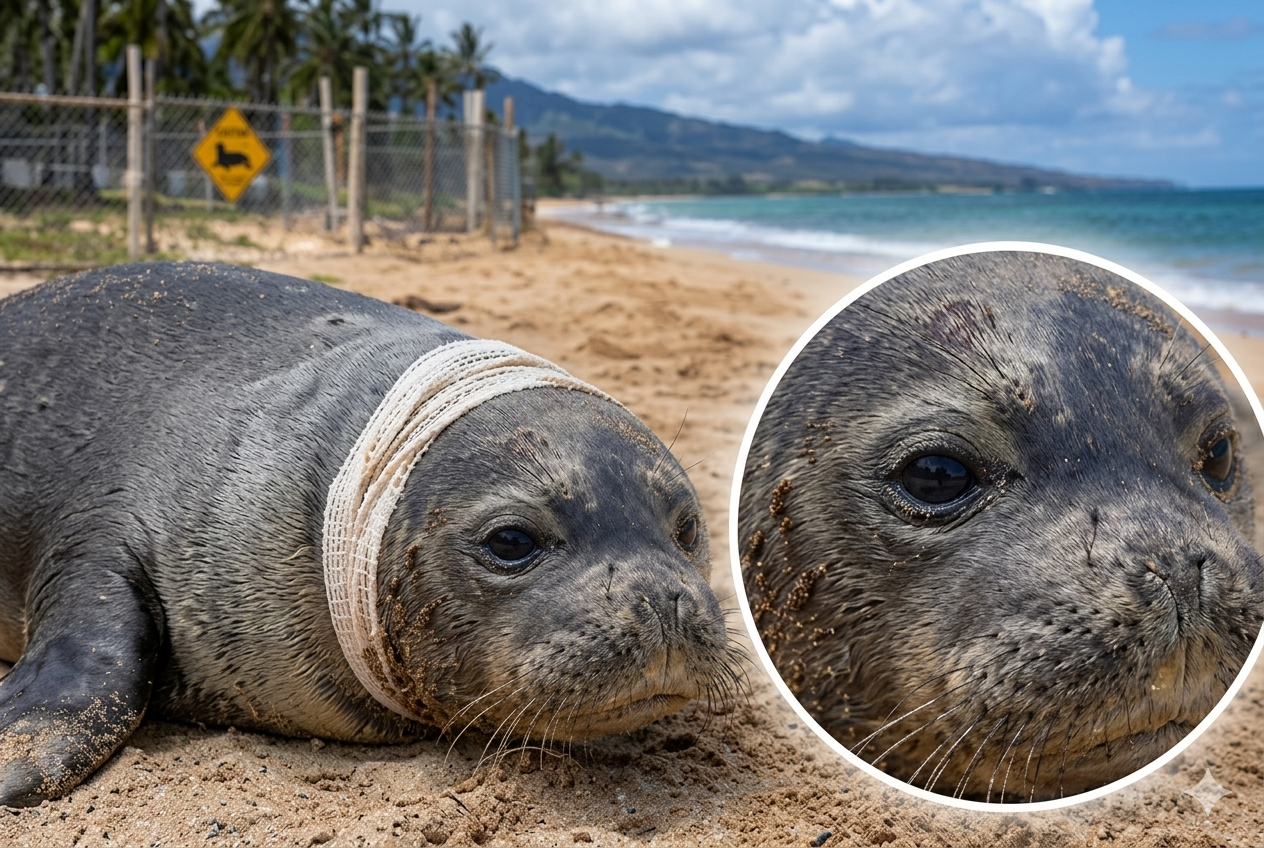
The next court date on June 9, 2026, is expected to be a critical milestone. Both prosecution and defense are preparing to present more detailed arguments, potentially including expert testimony on monk seal behavior, wildlife protection protocols, and legal precedents.
Public opinion remains divided. Some see the incident as an unfortunate misunderstanding, while others argue it represents a clear violation of laws designed to protect endangered species. The outcome of this case may set an important precedent for how similar wildlife encounters are handled in the future, influencing both legal and conservation practices in Hawaii and beyond.
As the case unfolds, authorities, conservationists, and the public alike are watching closely, highlighting the ongoing tension between human activity and the protection of vulnerable wildlife species.