BREAKING: The Lifeguard Who Refused to Walk Away — How One Night on Hawaii’s North Shore Turned Into a Story That Has Captured National Attention
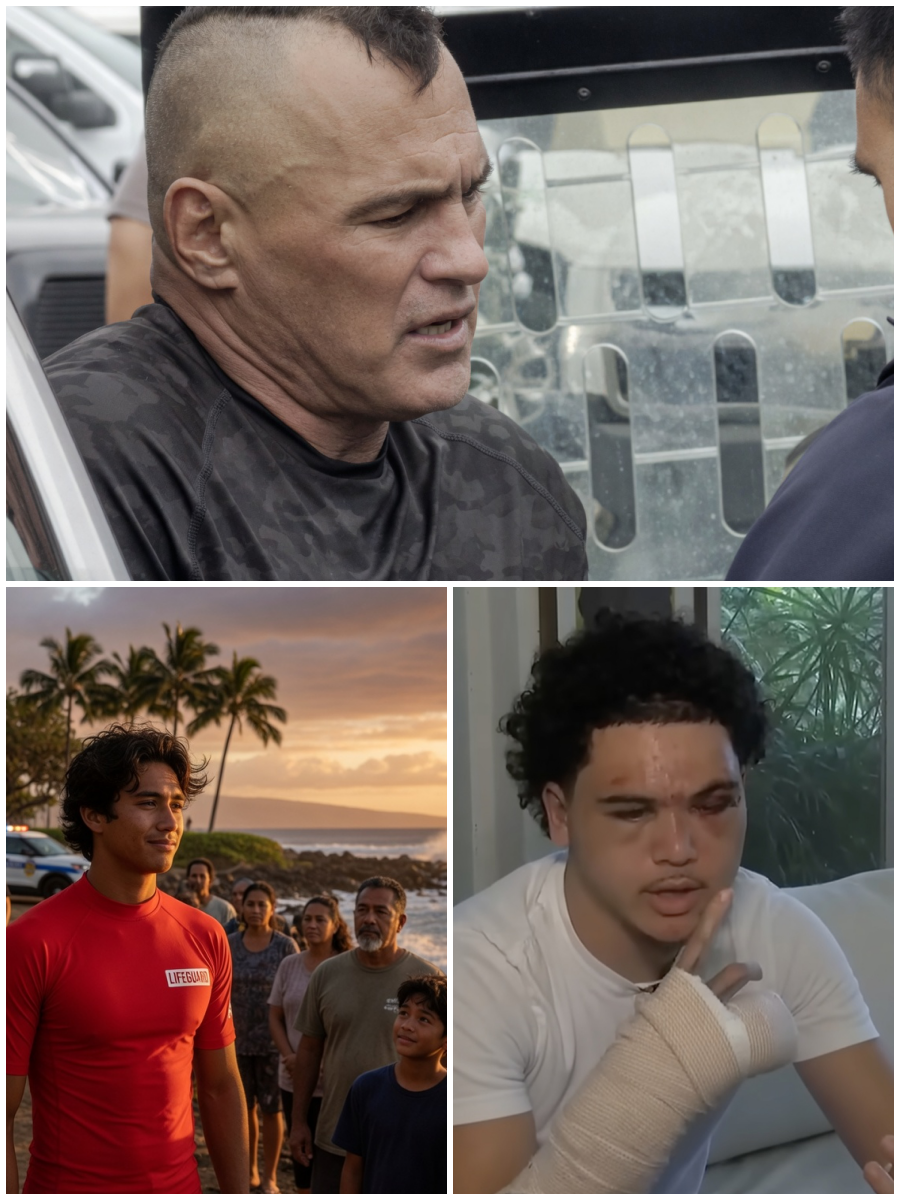
What began as an ordinary evening on Hawaii’s famous North Shore has become one of the most talked-about stories in the state, raising difficult questions about courage, community responsibility, and what people do when they witness someone in danger.
According to reports, a 23-year-old lifeguard found himself in the middle of a frightening confrontation after allegedly stepping in to help a 15-year-old boy who was being attacked by a large group of individuals.
The incident, which occurred on Oahu’s North Shore, has since sparked widespread discussion online and generated an outpouring of support for the young lifeguard, who many now describe as a hero.
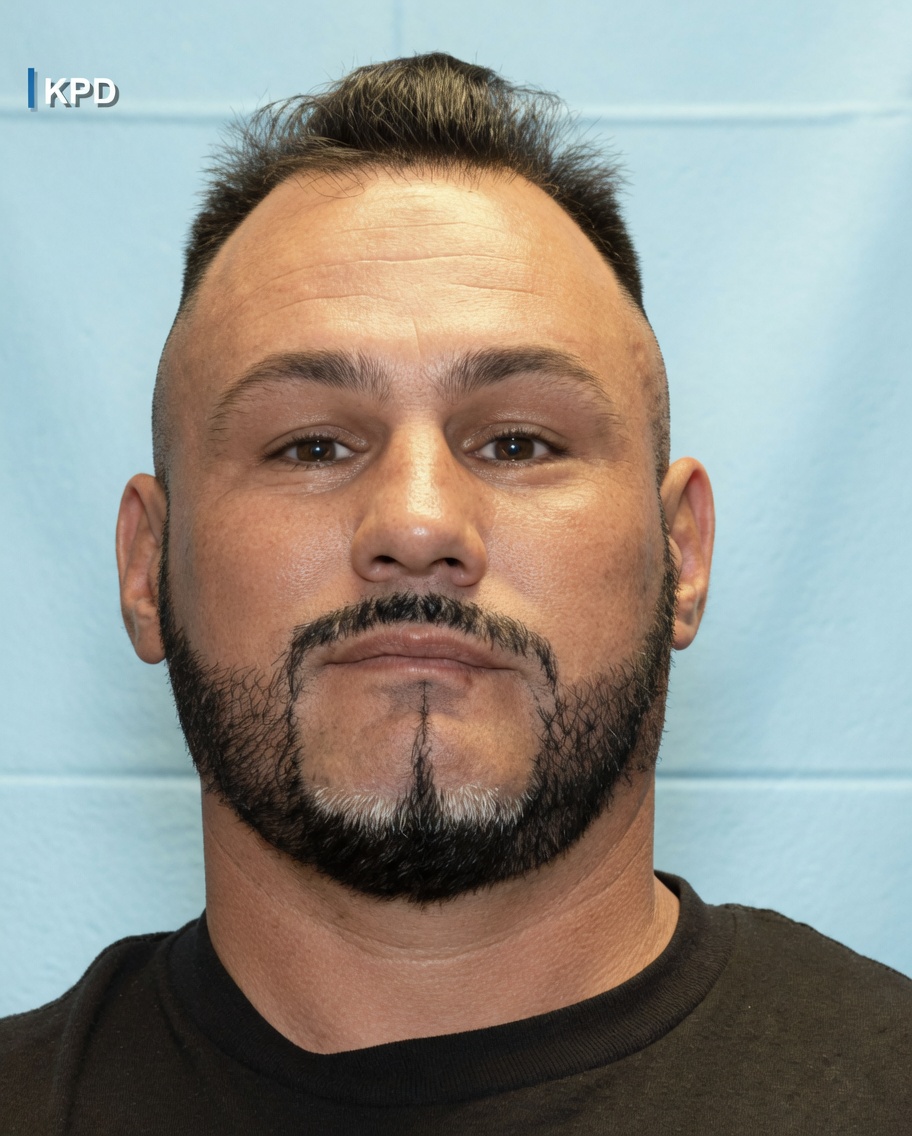
Authorities say the investigation remains ongoing as Honolulu police continue working to identify everyone involved.
But beyond the police investigation, it is the human story behind the headlines that has captured people’s attention.
It is a story about a split-second decision.
A decision that could have easily gone the other way.
A decision that may have changed a young person’s life.
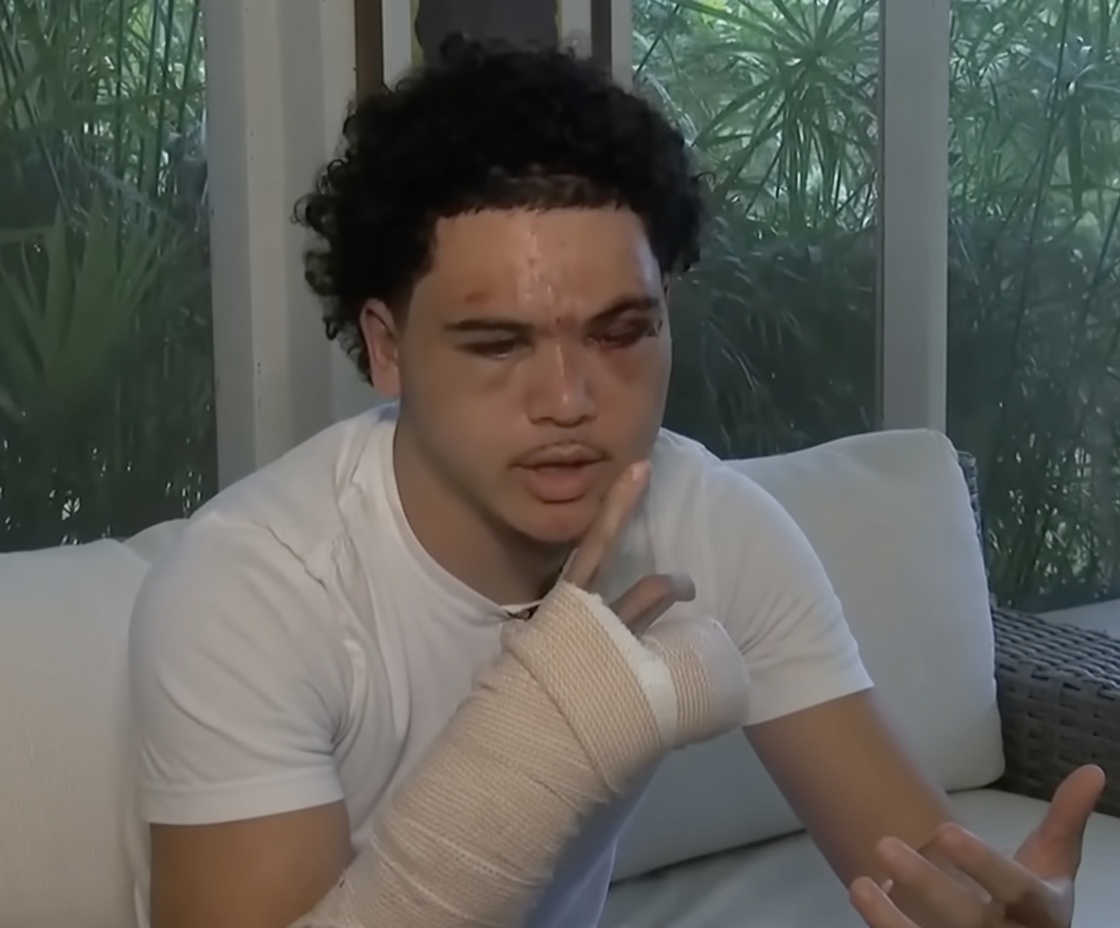
Reports indicate that the lifeguard witnessed a teenager being surrounded and confronted by a group. While many people in the same situation might have hesitated or feared becoming involved, the young lifeguard reportedly chose to intervene.
He was not a family member.
He was not a close friend.
He reportedly did not know the teenager personally.
Yet something about what he saw convinced him that he could not simply stand by and watch.
According to accounts that have emerged following the incident, the lifeguard stepped forward in an effort to protect the teenager and help him escape the situation.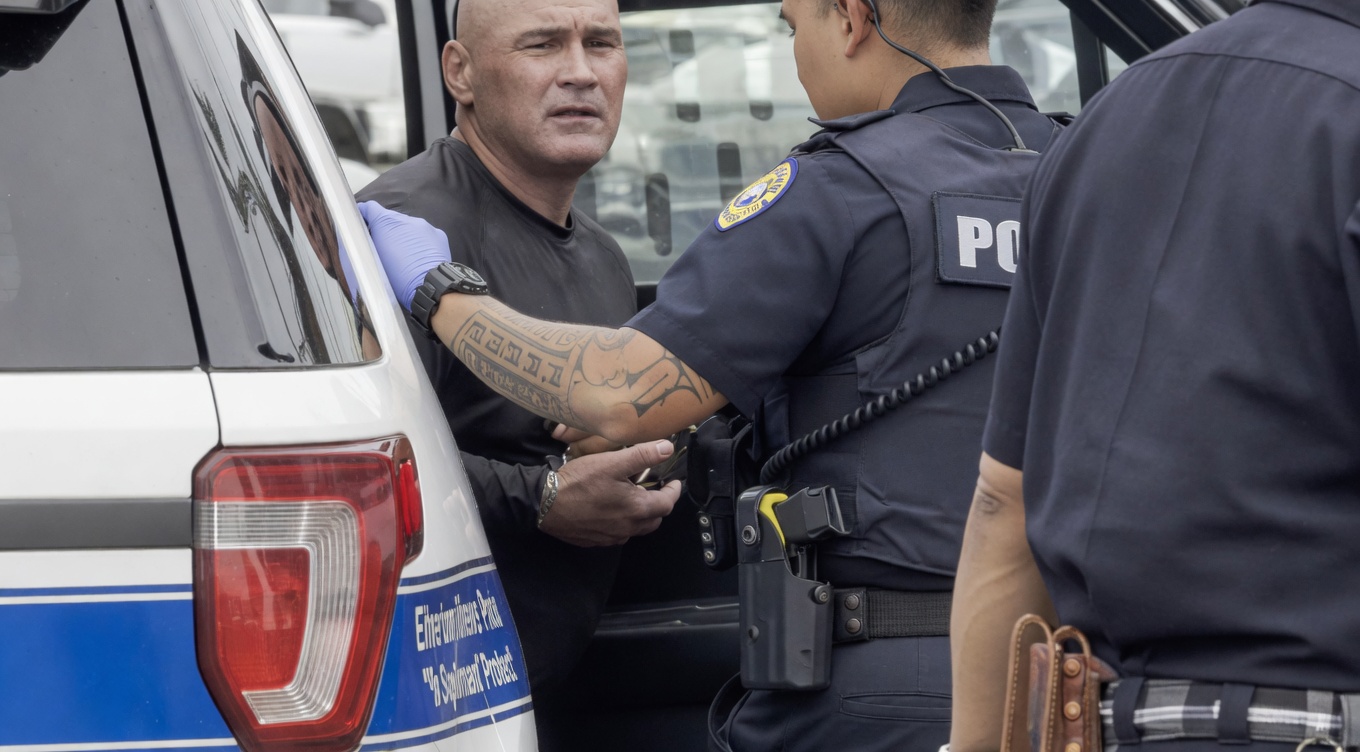
For a brief moment, it appeared that his actions had worked.
The 15-year-old was reportedly able to get away from the confrontation.
Unfortunately, the situation did not end there.
The attention of the group allegedly shifted toward the lifeguard himself.
What happened next left the community shocked.
The young rescuer reportedly suffered serious injuries during the encounter and later required hospitalization and medical treatment.
News of his injuries spread quickly across social media, where many people expressed disbelief that someone attempting to help another person could become the target of such a violent response.
As details continued to emerge, another aspect of the story began drawing significant public attention.
Several reports suggested that some witnesses may have recorded portions of the incident on their phones.
That detail has sparked an emotional conversation far beyond Hawaii.
Across social media platforms, thousands of comments began appearing from people asking the same question:
Why do so many people watch instead of helping?
Of course, every emergency situation is different.
Sometimes intervening directly can be dangerous.
Sometimes calling emergency services is the safest and most effective action.
But for many readers, the image of one individual stepping forward while others stood back has become one of the most powerful parts of the story.
It has forced people to reflect on how modern society responds to crisis situations.
In an age where nearly everyone carries a camera in their pocket, some wonder whether technology has changed the way people react during emergencies.
Do people instinctively reach for their phones before they think about helping?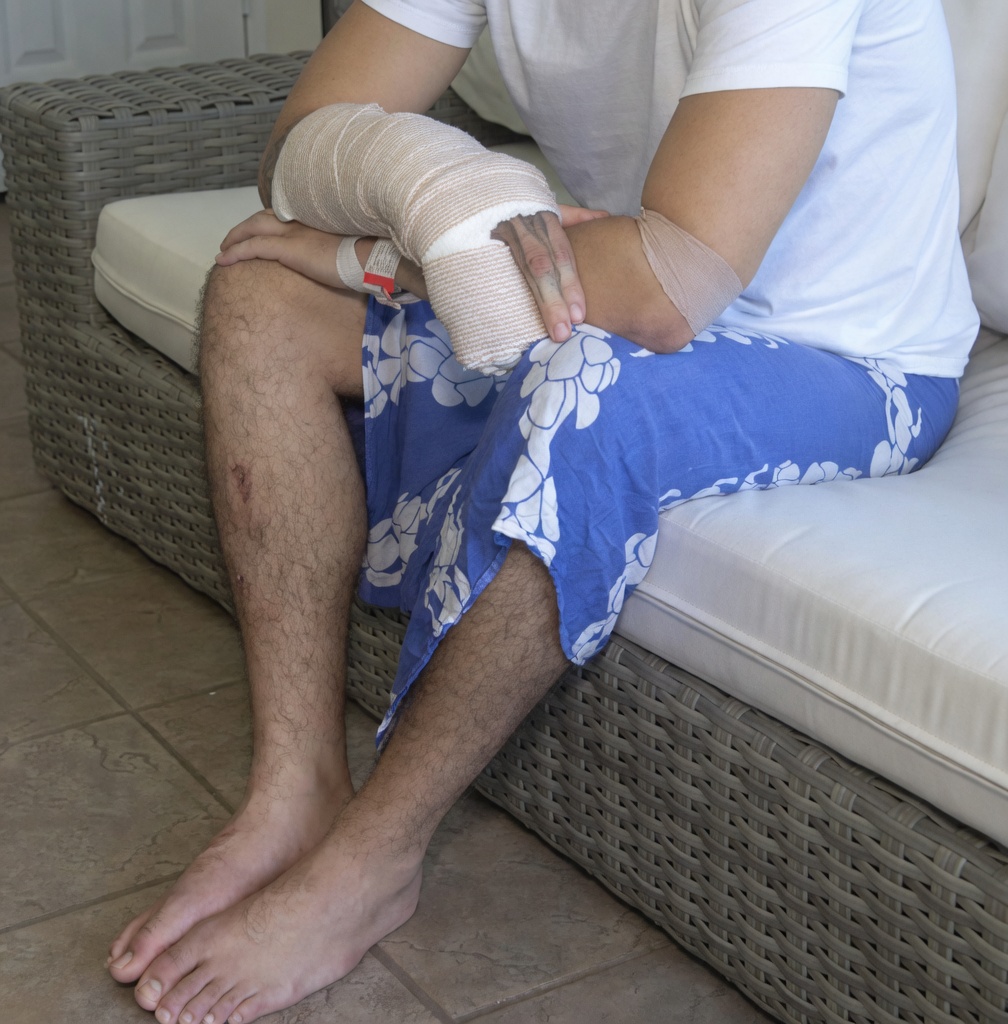
Would they react differently if the person in danger were a family member or close friend?
These questions have become central to the conversation surrounding the incident.
Meanwhile, support for the injured lifeguard continues to grow.
Community members have praised his willingness to place himself at risk for someone else.
Many have pointed out that his profession is built around protecting others.
Lifeguards are trained to respond when people need help.
 They are accustomed to rushing toward danger while others move away from it.
Yet what happened on that North Shore beach went far beyond the responsibilities listed in any job description.
The teenager involved was not struggling in the ocean.
There was no rescue buoy involved.
No dangerous current.
No massive wave.
Instead, the danger reportedly came from other people.
And according to those following the story, the lifeguard still chose to act.
For many Hawaii residents, that decision represents the very best qualities of a community that values compassion, courage, and responsibility.
As the investigation continues, authorities are encouraging anyone with information, photographs, or video evidence to come forward.
Police hope that witnesses can help establish exactly what occurred and identify everyone involved.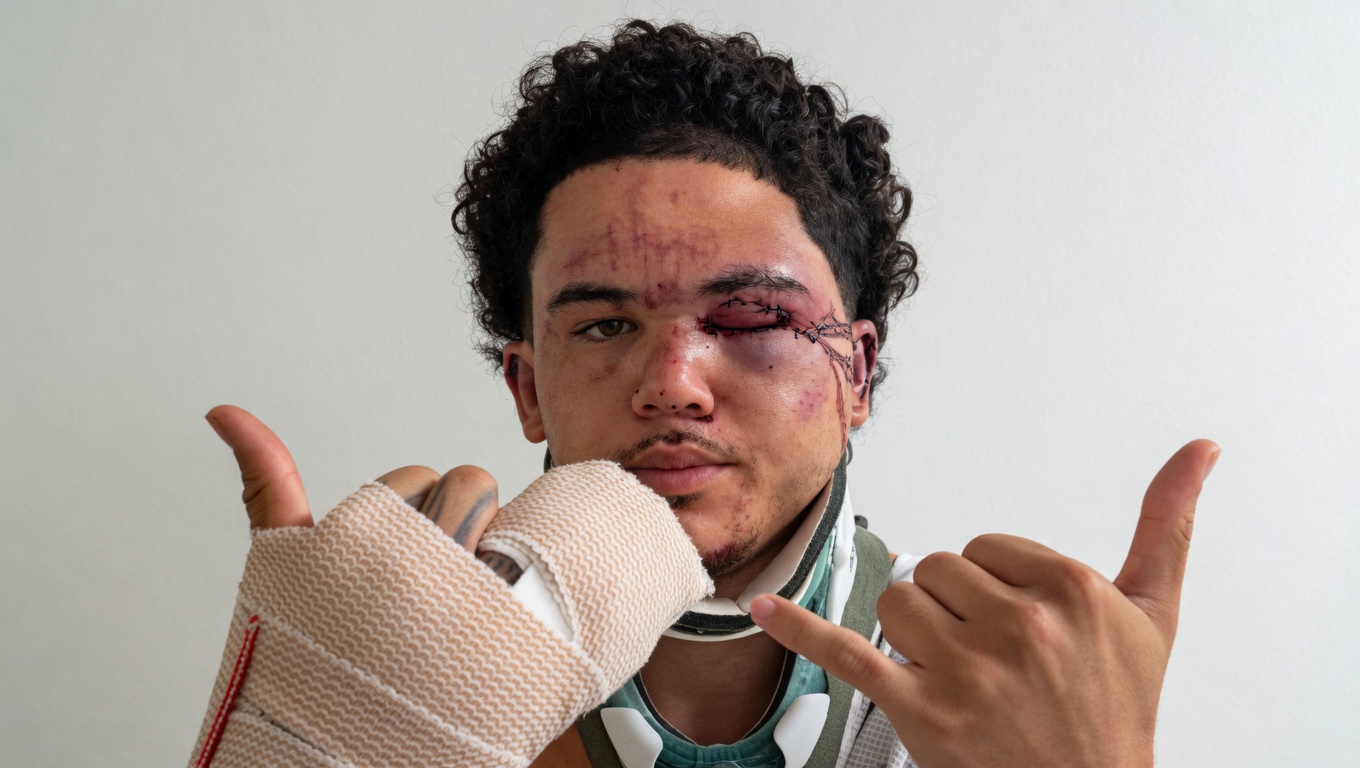
Investigators are expected to review all available evidence as they work to piece together the timeline of events.
The outcome of that investigation could have significant consequences for those responsible.
But regardless of what happens in the courtroom or police reports, many believe the story has already left a lasting impact.
For some people, it serves as a warning about the dangers of group violence.
For others, it highlights the importance of speaking up when someone is vulnerable.
And for many, it is simply a reminder that genuine courage often appears in unexpected moments.
Heroes are not always people wearing uniforms on television.
They are not always famous.
They are not always prepared for the situations they face.
Sometimes they are ordinary people confronted with an extraordinary choice.
On one beach in Hawaii, a young lifeguard reportedly faced such a choice.
He could have walked away.
He could have told himself it was none of his business.
He could have waited for someone else to act.
Instead, he stepped forward.
Today, as Honolulu police continue searching for answers and the community continues reflecting on what happened, one fact remains at the center of the story.
A teenager reportedly escaped danger because one person refused to look the other way.
And that single act of courage may be the reason this story continues to resonate with people far beyond the shores of Hawaii.