WARNING FOR BEACHGOERS IN HAWAIʻI — PROTECT MONK SEALS
WARNING FOR BEACHGOERS IN HAWAIʻI — PROTECT MONK SEALS
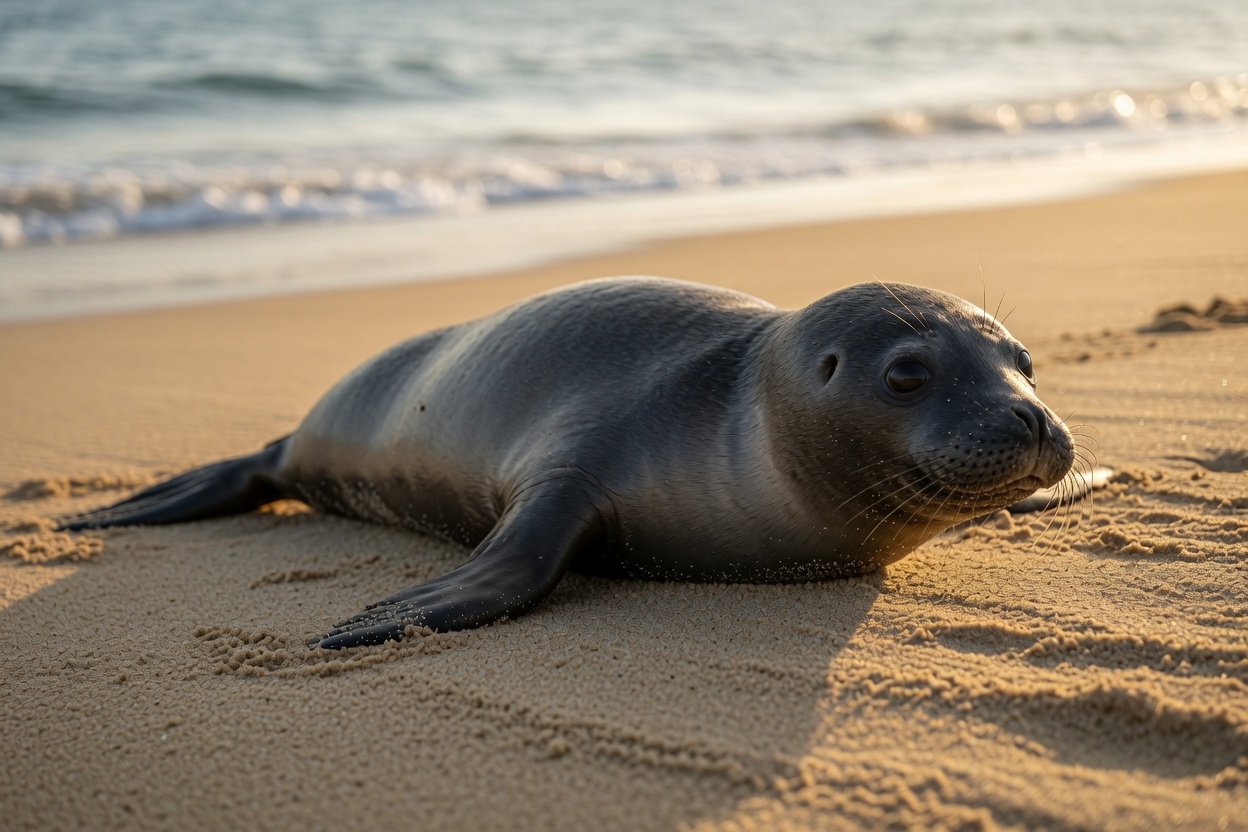
Authorities across Hawaiʻi are reminding residents and visitors to follow strict rules when encountering Hawaiian monk seals, one of the most endangered marine mammals in the world.
Officials warn that touching, feeding, chasing, or harassing monk seals is illegal under both state and federal law, and can result in heavy fines and possible criminal penalties.
 Why the warning matters
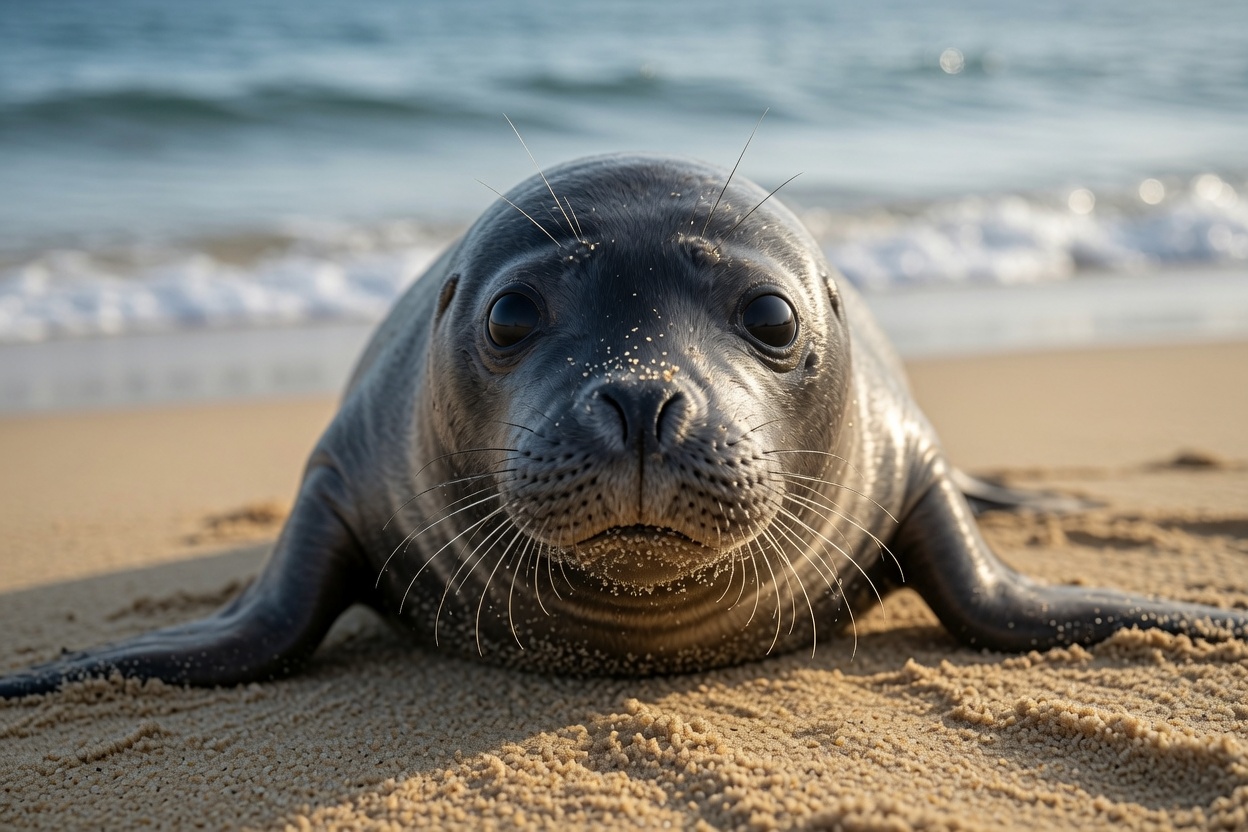
Hawaiian monk seals are a protected species with a fragile population. Even well-intentioned interactions from humans can:
- Cause stress and injury to the animals
- Interrupt resting or nursing behavior
- Increase the risk of disease transmission
- Lead to aggressive defensive behavior from seals
Wildlife experts emphasize that maintaining distance is essential for both public safety and seal survival.
What the law says
Under U.S. and Hawaiʻi wildlife protection regulations, monk seals are fully protected. Any form of harassment or physical contact can result in enforcement action by conservation officers and NOAA authorities.
Penalties can include fines reaching thousands of dollars, especially in cases involving repeated or intentional disturbance.
How to stay safe at the beach
Officials encourage beachgoers to follow simple guidelines:
- Stay at least 50 feet (15 meters) away from monk seals
- Never attempt to feed or touch them
- Keep pets on a leash near coastal areas
- Report injured or stranded seals to local authorities
- Respect posted warning signs on beaches
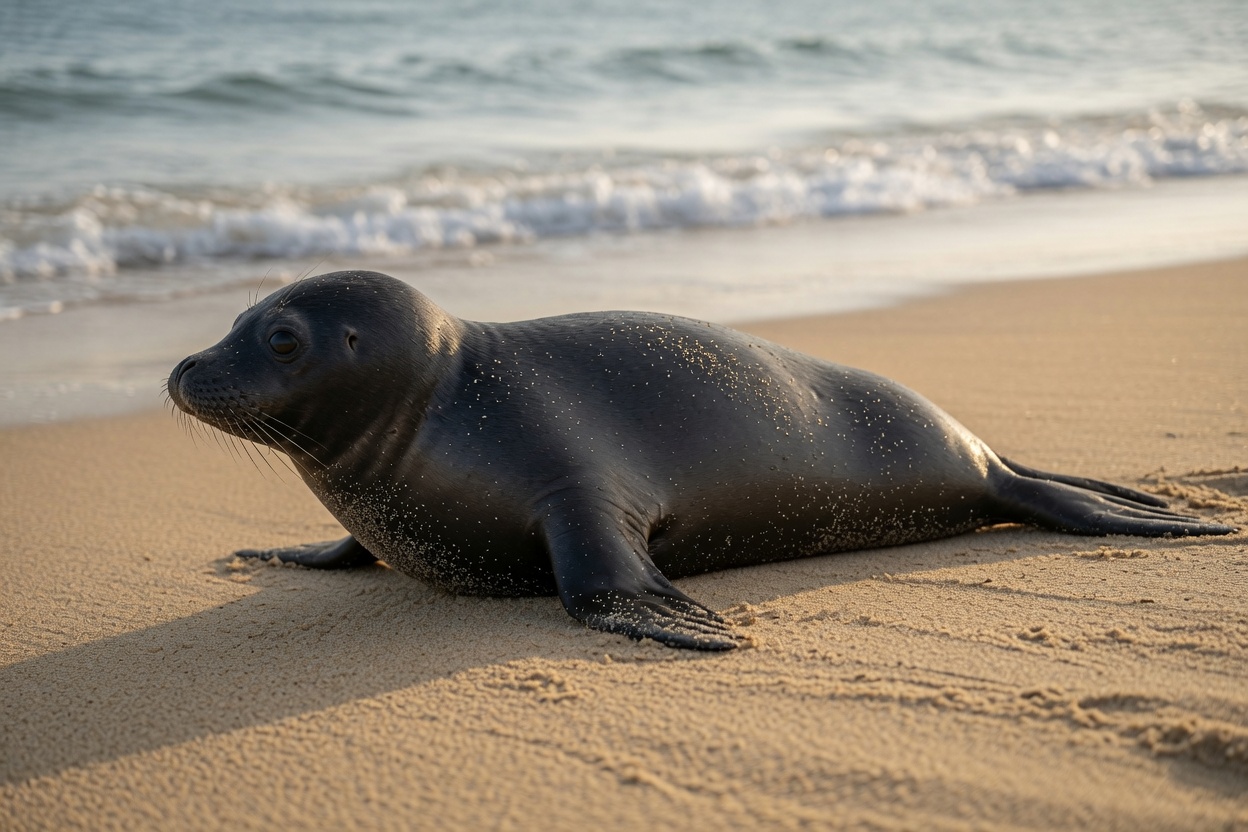
If a seal is resting on the sand, the best action is simple: observe quietly from a distance and give it space.
 Protect wildlife, protect Hawaiʻi
Monk seals are a vital part of Hawaiʻi’s natural ecosystem, and conservation efforts depend on public cooperation.
Officials are urging everyone to be responsible visitors and help protect these rare animals for future generations.
Respect the ocean. Respect wildlife. Keep Hawaiʻi safe.
For more information, visit local wildlife protection resources or contact NOAA Marine Wildlife Hotline.