After War Took Everything From Josey Wales, One Unexpected Friendship Turned Clint Eastwood’s Western Into a Haunting Story of Loss and Redemption
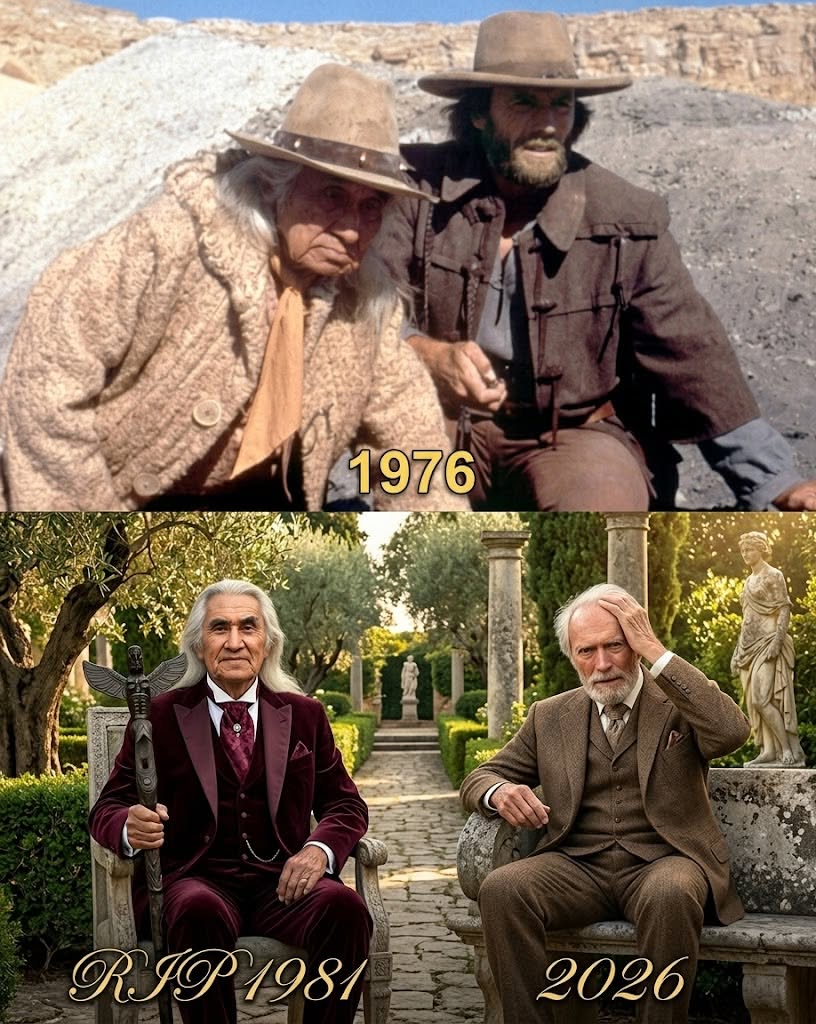
After War Took Everything From Josey Wales, One Unexpected Friendship Turned Clint Eastwood’s Western Into a Haunting Story of Loss and Redemption
The Outlaw Josey Wales is remembered as one of Clint Eastwood’s most emotional and unforgettable Westerns because it is not only a story about revenge, guns, and survival. Beneath its rugged landscapes and violent aftermath of war, the film carries something much deeper: the pain of losing everything and the quiet hope of finding a reason to keep going.
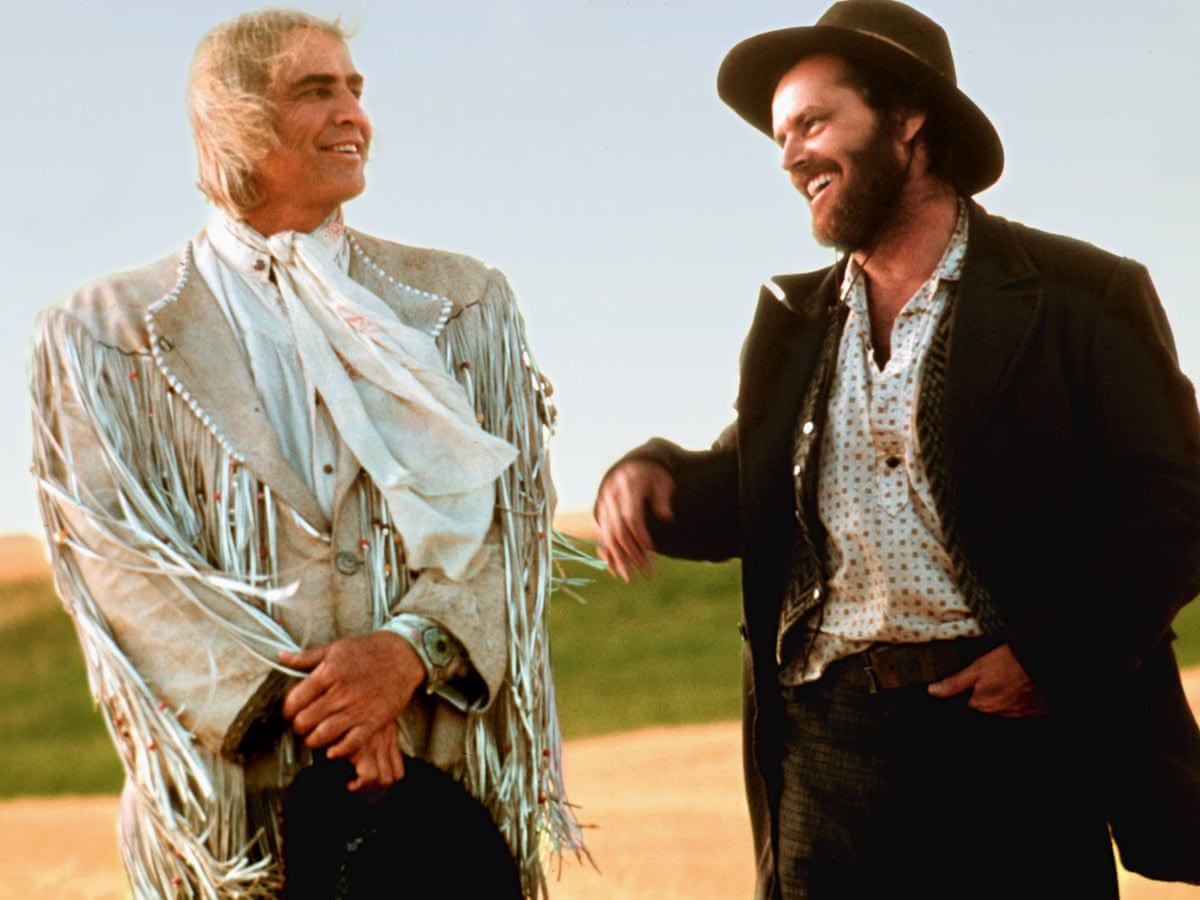
Josey Wales begins as a simple Missouri farmer whose world is destroyed during the Civil War. After his family is taken from him, grief turns him into a hunted outlaw, a man carrying sorrow behind every hard stare. Clint Eastwood gives the character a rare emotional weight, showing not just toughness, but also loneliness, anger, and a wounded heart that refuses to disappear.
Yet the soul of the film grows stronger when Josey meets Lone Watie, the aging Cherokee elder played with warmth and wisdom by Chief Dan George. Their friendship is strange at first, almost unlikely, but it slowly becomes the emotional center of the story. Lone Watie brings humor, patience, and perspective into Josey’s broken world. Through him, Josey begins to understand that survival is not the same as living.
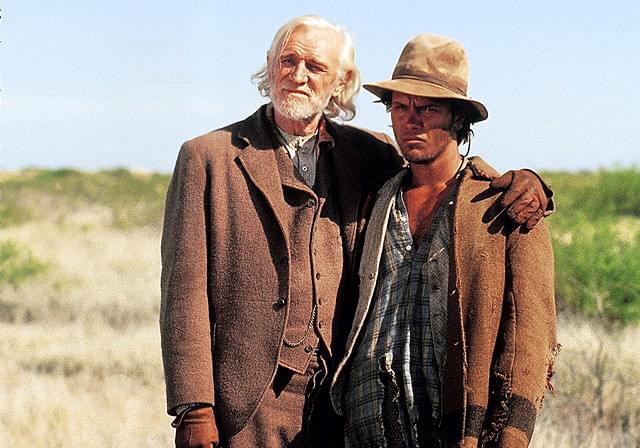
What makes the film so powerful is the way it turns a revenge journey into a story about healing. Each person who joins Josey’s path becomes part of a new kind of family, built not by blood, but by shared loss, trust, and the need for peace.
Nearly fifty years later, The Outlaw Josey Wales still feels haunting because it speaks to something timeless. It reminds audiences that even after war, betrayal, and unbearable grief, redemption can still be found in the most unexpected friendship.