A Fistful of Dollars: How Clint Eastwood, Marianne Koch, and Sergio Leone Turned a Simple Western Into a Timeless Cinema Legend
A Fistful of Dollars: How Clint Eastwood, Marianne Koch, and Sergio Leone Turned a Simple Western Into a Timeless Cinema Legend
Some films do more than entertain. They change the language of cinema forever. A Fistful of Dollars was one of those rare films.
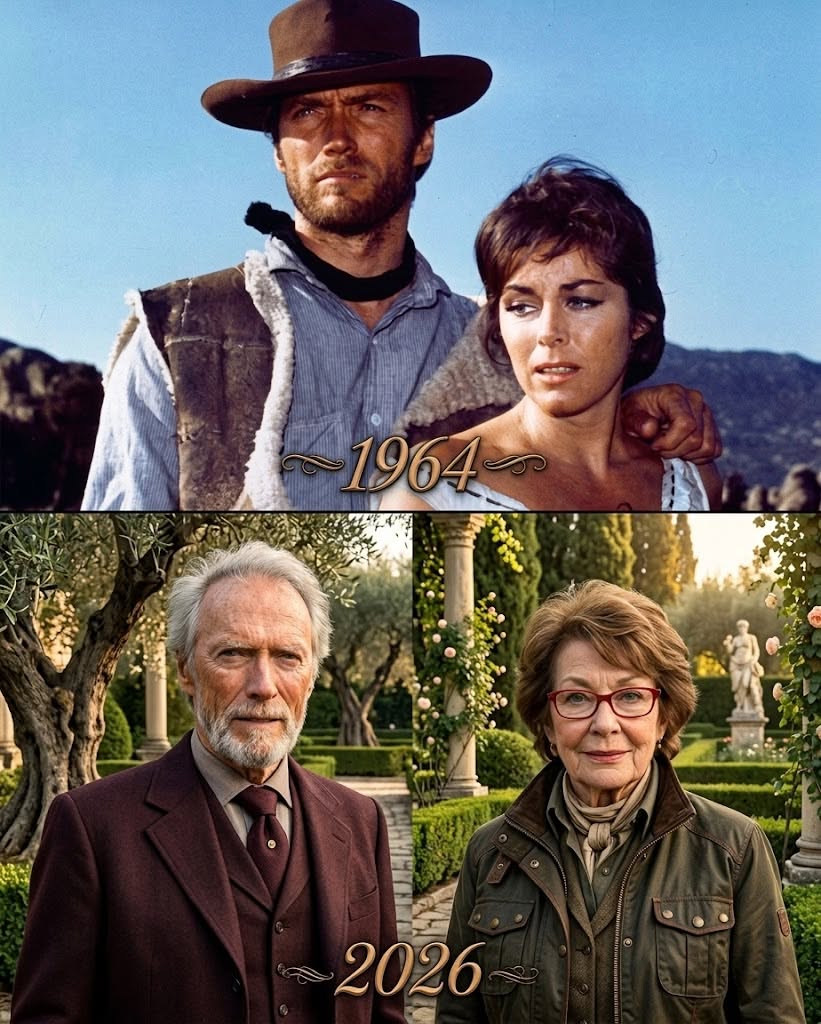
In 1964, a quiet young actor named Clint Eastwood walked into the dusty world of Sergio Leone’s Western vision and became something larger than a movie star. With a worn poncho, a cold stare, and very few words, he created the unforgettable figure known as The Man with No Name.
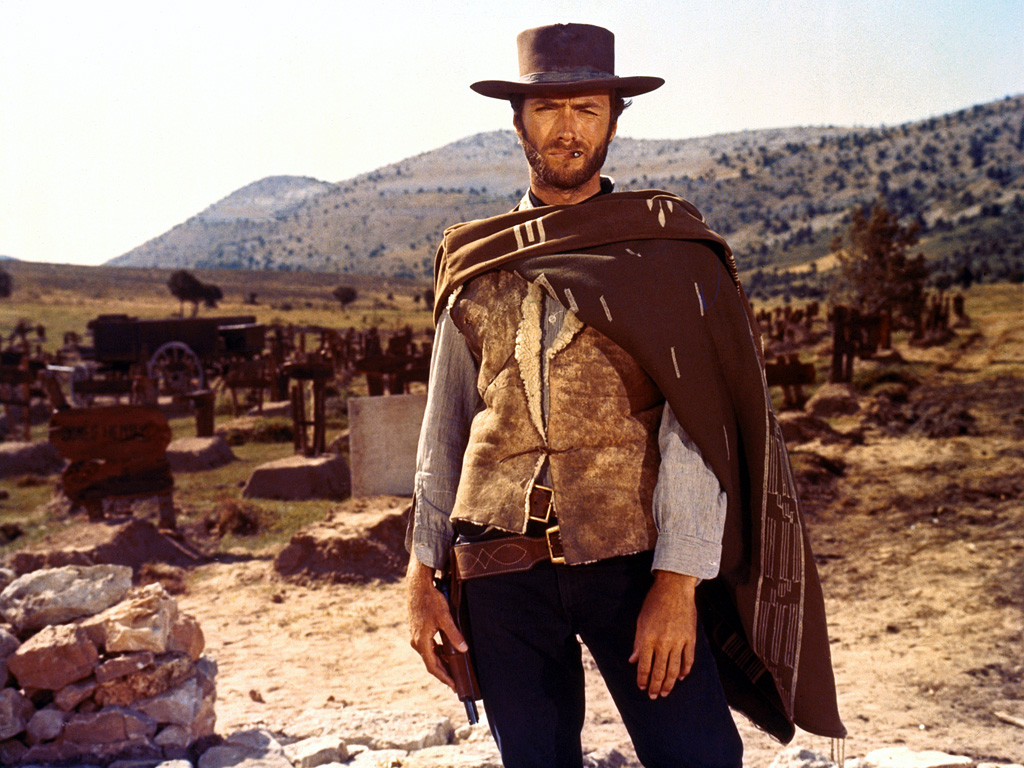
He was not the clean, heroic cowboy audiences expected. He had no badge, no noble speech, and no promise to save anyone. He was mysterious, dangerous, and driven by survival. Yet beneath that silence was something human, and that made him impossible to forget.
Marianne Koch brought the emotional soul of the story through her role as Marisol. In a town ruled by fear and violence, she represented family, innocence, and hope. Her pain became the reason Eastwood’s character could no longer remain only a stranger chasing profit. Through her, the audience saw the hidden conscience behind the gunman.
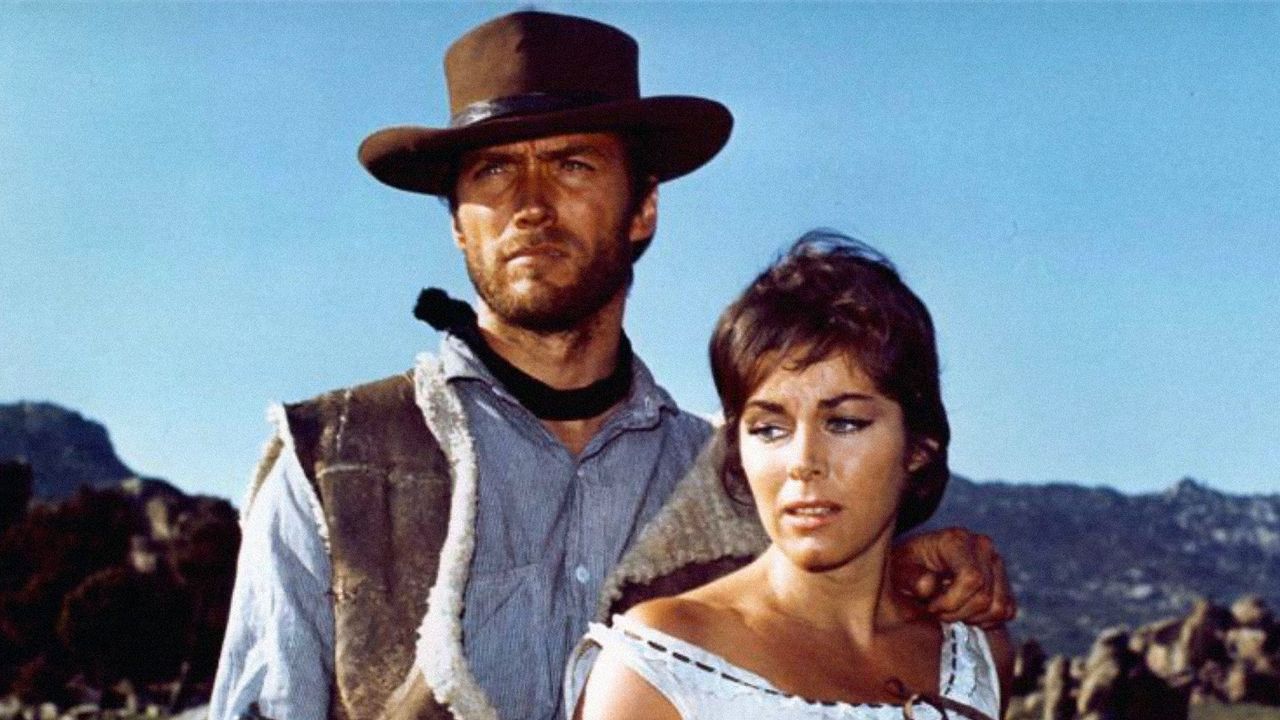
Sergio Leone’s direction changed everything. His close-ups, tense silences, brutal landscapes, and Ennio Morricone’s haunting music gave the Western a new identity: darker, sharper, and more unforgettable than ever before.
A Fistful of Dollars did not arrive as a guaranteed masterpiece. It began as a modest film shot far from Hollywood. But it became a revolution. It launched Eastwood toward legendary status, gave Leone a permanent place in film history, and proved that a Western could be myth, style, violence, emotion, and mystery all at once.
More than six decades later, the dust has settled, but the legend still rides on.