Howard University Professor Sparks Controversy After Comments About Austin Metcalf’s Father

Howard University Professor Under Fire Over Austin Metcalf Commentary
A new controversy has emerged following the conviction and sentencing of Karmelo Anthony in the fatal stabbing of Texas teenager Austin Metcalf.
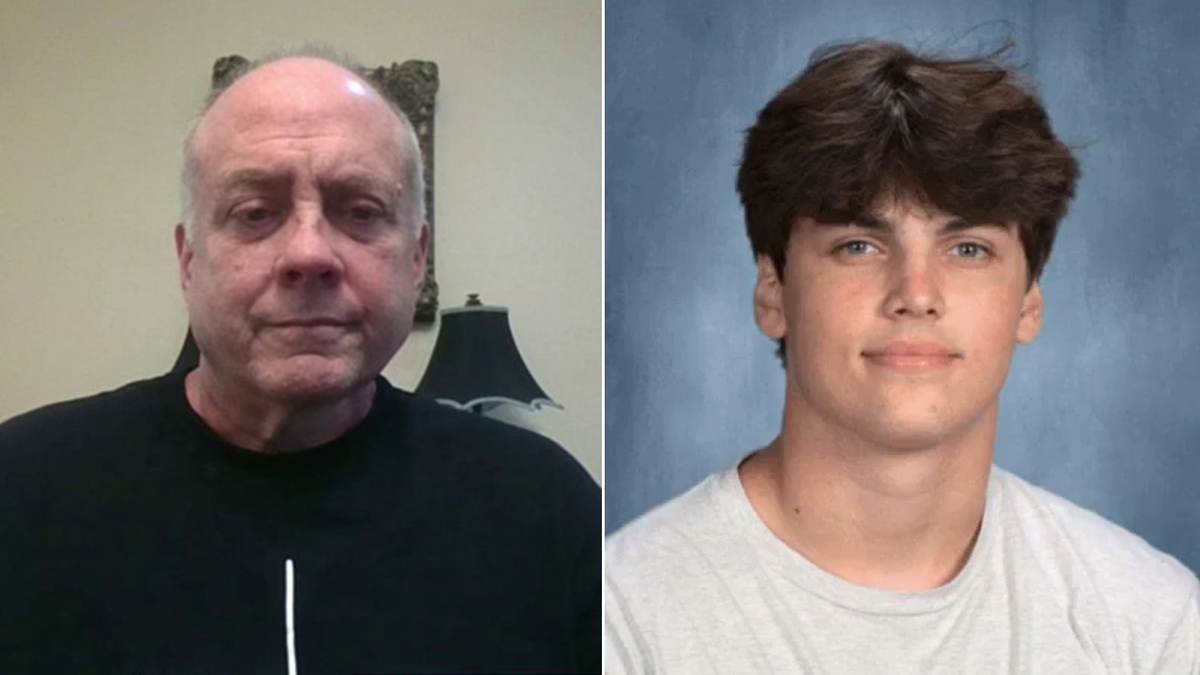
Dr. Stacey Patton, a journalism professor at Howard University, has drawn widespread criticism after publishing an opinion article in which she argued that Austin Metcalf’s father, Jeff Metcalf, bore some responsibility for the values and behaviors that allegedly contributed to the confrontation that ended in Austin’s death. The comments quickly sparked heated debate online, with many accusing the professor of unfairly shifting blame away from the convicted killer and toward a grieving family.
The backlash comes just days after Anthony was sentenced to 35 years in prison following his conviction in the high-profile case that captured national attention. According to court proceedings, the jury rejected Anthony’s self-defense argument and found him guilty of murder.
What Did Dr. Stacey Patton Say?
In her opinion piece, Patton criticized Jeff Metcalf’s parenting and suggested that Austin had been raised with attitudes involving entitlement, personal boundaries, and forms of masculinity that she believes contributed to the fatal encounter.
The article questioned whether Austin had been properly taught humility, respect for others, and awareness of personal space. Patton also drew comparisons to broader national conversations about race and violence involving other high-profile cases. Her remarks generated immediate controversy, with critics arguing that the focus should remain on the actions that led to Austin’s death rather than on retrospective judgments about his upbringing.
The Case Against Karmelo Anthony
The incident occurred during a high school track meet in Frisco, Texas, in April 2025.
Prosecutors argued that a disagreement between the two teenagers escalated into violence when Anthony stabbed Austin Metcalf in the chest. The defense maintained that Anthony acted in self-defense, but jurors ultimately rejected that claim after hearing testimony and reviewing evidence presented during the trial.
Following deliberations, the jury returned a guilty verdict and later sentenced Anthony to 35 years in prison. He will become eligible for parole after serving a significant portion of that sentence.
Public Reaction Divided
Reaction to Patton’s article has been sharply divided.
Many critics described the essay as an example of victim-blaming, arguing that regardless of any disagreement that may have occurred before the stabbing, responsibility for the fatal act rests with the individual who committed it. Others expressed concern that a grieving family was being subjected to additional scrutiny following the conclusion of a painful and highly publicized trial.
Some supporters of Patton’s broader argument contend that discussions about personal responsibility, social conditioning, and conflict escalation are legitimate topics for public debate. However, even among those willing to engage with those issues, many questioned whether the timing and framing of the article were appropriate given the circumstances.
Jeff Metcalf’s Response After the Verdict
In interviews following the trial, Jeff Metcalf spoke about the devastating impact of losing his son and the emotional challenge of watching evidence presented in court. He stated that forgiveness was something he pursued for his own peace of mind, while also emphasizing that the case was about right and wrong rather than race.
During victim impact statements, Metcalf delivered an emotional address to Anthony, expressing the profound loss his family continues to endure.
A Debate That Continues
The controversy surrounding Dr. Patton’s article highlights how deeply divided public opinion remains over the Austin Metcalf case.
While the legal proceedings have concluded with a conviction and prison sentence, discussions about accountability, race, self-defense claims, and public narratives surrounding victims and offenders continue across social media, news outlets, and academic circles.
For many observers, however, the central fact remains unchanged: a young life was lost, a family continues to grieve, and a case that has sparked national debate is unlikely to fade from public conversation anytime soon.