Missing GoPro Becomes Key Question in Brazil Rope-Jump Death as Investigators Search for Answers in Maria Eduarda Case
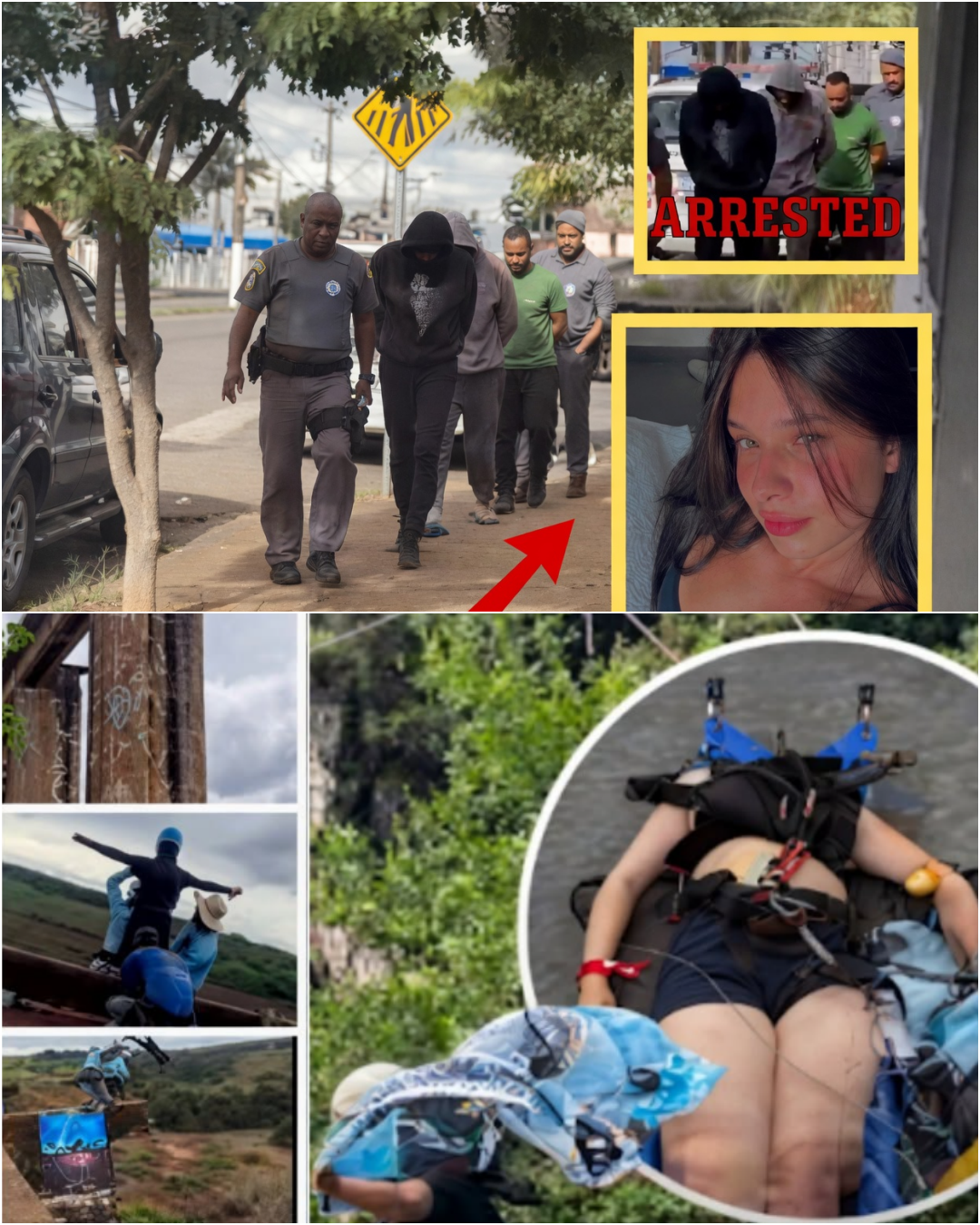
The investigation into the tragic death of 21-year-old Maria Eduarda Rodrigues de Freitas has taken on a new and troubling focus: a missing action camera that may have recorded the final moments before she was launched from Skeleton Bridge in Limeira, Brazil.
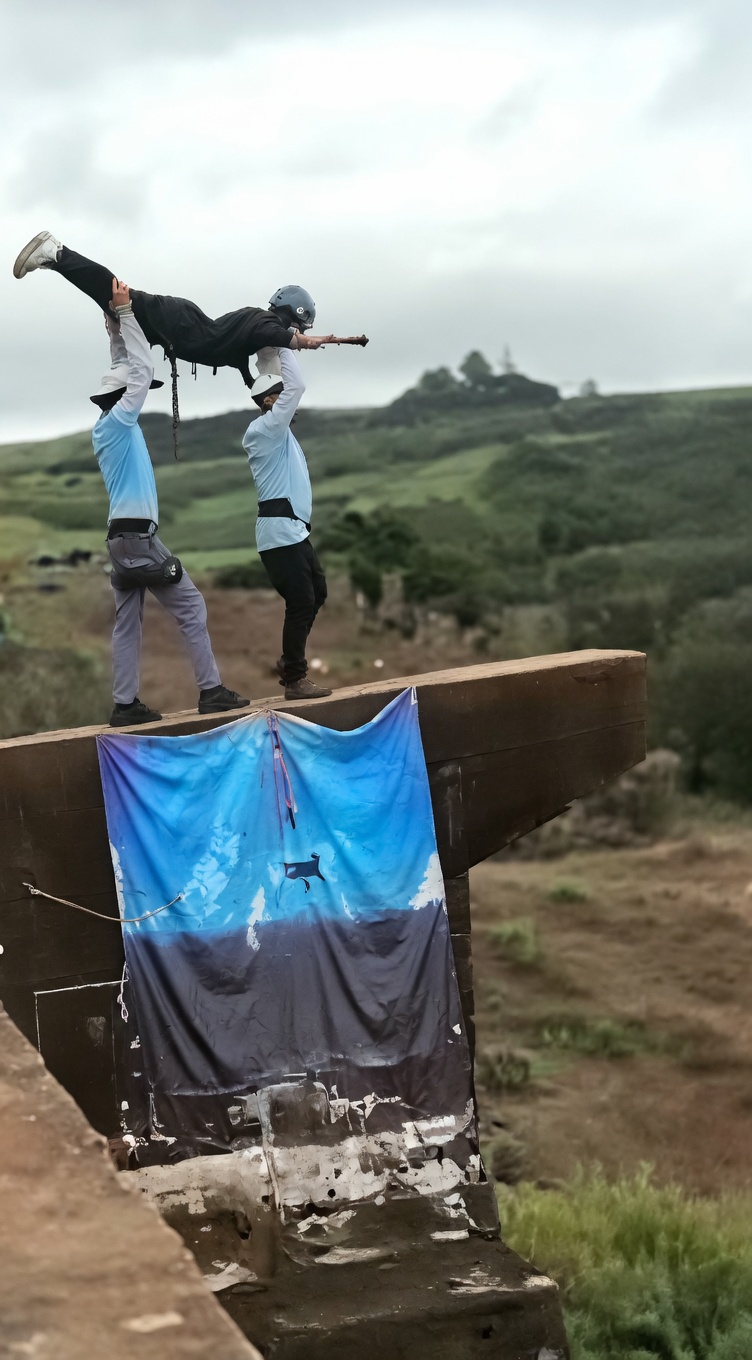
Maria Eduarda died on June 13, 2026, during a rope-jump activity that was meant to be an exciting experience. Instead, according to investigators, she was thrown from the bridge without being connected to the main safety ropes designed to protect her during the fall.
Now, beyond the failure of the safety system itself, police are looking into another critical question: what happened to the camera she was reportedly carrying?
Brazilian media reported that Maria had paid not only for the jump, but also for the experience to be recorded. The camera, described as a GoPro-style device, was allegedly attached to her wrist during the activity. If recovered, it could become one of the most important pieces of evidence in the case, potentially showing what happened in the seconds before she was released.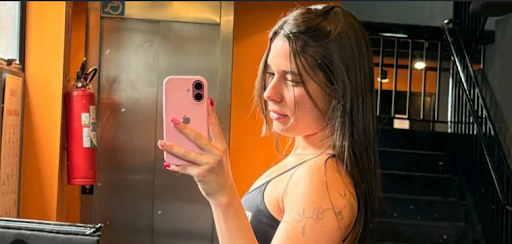
But the device has not been found.
A witness who was reportedly present at the site said some people saw a member of the jump team remove the camera from Maria after the fall. That claim has raised serious concerns, because the footage could help investigators understand whether the safety rope was visibly missing, whether warnings were heard, who gave the final signal, and what actions were taken immediately after the tragedy.
Police are now investigating the whereabouts of the camera. According to reports, authorities have not ruled out the possibility that someone may have taken or discarded the device after the incident.
The missing camera adds another layer of suspicion to an already heartbreaking case.
Maria’s death has shocked Brazil and many others around the world because of how preventable it appears. Reports say she was supposed to be attached to two safety ropes before being launched. Investigators say that did not happen. Witnesses reportedly noticed the rope was still on the ground only moments after Maria was thrown from the bridge.
Three men linked to the rope-jump operation remain under investigation. They have been identified in reports as Luis Felipe Feliciano Egoroff, Vitor de Freitas Gonçalves, and Maicon Fernandes Cintra. Authorities are treating the case as homicide with implied risk, meaning investigators believe the suspects may have accepted the possibility of a fatal outcome through serious disregard for safety.
During questioning, the men reportedly could not clearly explain who was responsible for attaching or checking the ropes before the jump.
That lack of clear responsibility has become central to the case.
In organized extreme sports, every person on the team must know exactly what they are responsible for. There must be a final inspection. There must be a clear signal. There must be a system that prevents a participant from being launched until all safety points are confirmed.
In Maria’s case, investigators are asking how a young woman could reach the edge of the bridge, be lifted into launch position, and be released without the most important safety connection in place.
The tragedy has also exposed broader concerns about the activity at Skeleton Bridge. Reports say the bridge was accessible, lacked strong physical barriers, and had been used by groups promoting rope-jump experiences. Authorities have said the activity at the structure was not properly authorized, raising further questions about supervision, public safety, and whether officials should have acted sooner to restrict access.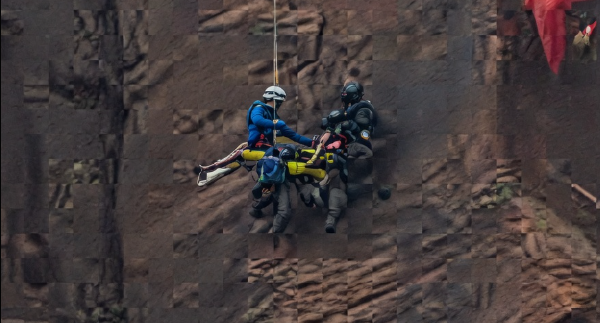
For the public, the missing camera has become more than a technical detail. It represents the possibility of truth.
If the footage exists, it could help answer what witnesses, investigators, and Maria’s family need to know. Was the rope visibly left behind? Did anyone notice before the launch? Were warnings ignored? Did the team realize the mistake too late? And why did the camera disappear after such a serious incident?
At this stage, no final verdict has been announced. The investigation remains ongoing, and the suspects are entitled to present their defense. But the questions surrounding the missing camera are now a major part of the case.
For Maria’s family, the pain is unimaginable. They lost a daughter, a loved one, and a young woman whose life was just beginning.
She went to Skeleton Bridge for adventure. She trusted that professionals would keep her safe. She trusted that the equipment would be checked. She trusted that the people responsible for her life would not let her go until everything was secure.
That trust ended in tragedy.
Now, investigators must determine not only how the safety failure happened, but also whether evidence that could explain the final moments was removed or lost.
Maria Eduarda Rodrigues de Freitas should have returned home with a video of courage and joy.
Instead, the camera that may have captured the truth is missing — and her family is left waiting for answers.