A Whole-Life Sentence for Jamie Varley After the Murder of Baby Preston Davey
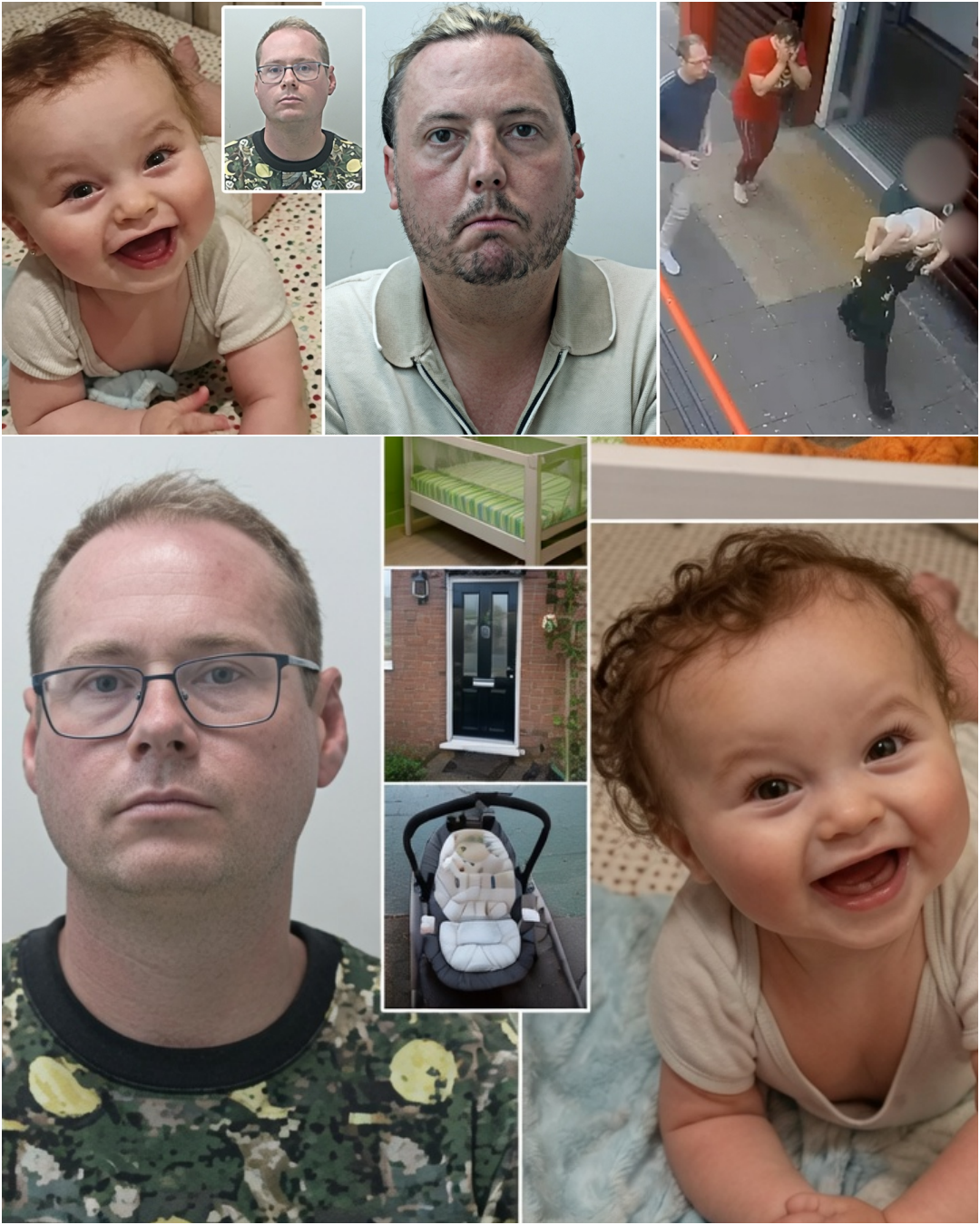
Jamie Varley, a former high school teacher, has been sentenced to spend the rest of his life in prison after being convicted of murdering 13-month-old Preston Davey, a baby he had been in the process of adopting.
The case, heard at Preston Crown Court, revealed a deeply disturbing pattern of abuse during the four months Preston lived with Varley and his partner, John McGowan-Fazakerley.
Preston had entered their home in 2023 after being approved for adoption. He had previously been described as a happy and healthy baby. But by the time he was taken to hospital in July that year, he had suffered numerous injuries and was in a critical condition.
Varley initially claimed Preston’s death was the result of a bath accident. He told investigators that the baby had been left briefly in the bathroom and was later found in difficulty. But medical evidence challenged that account.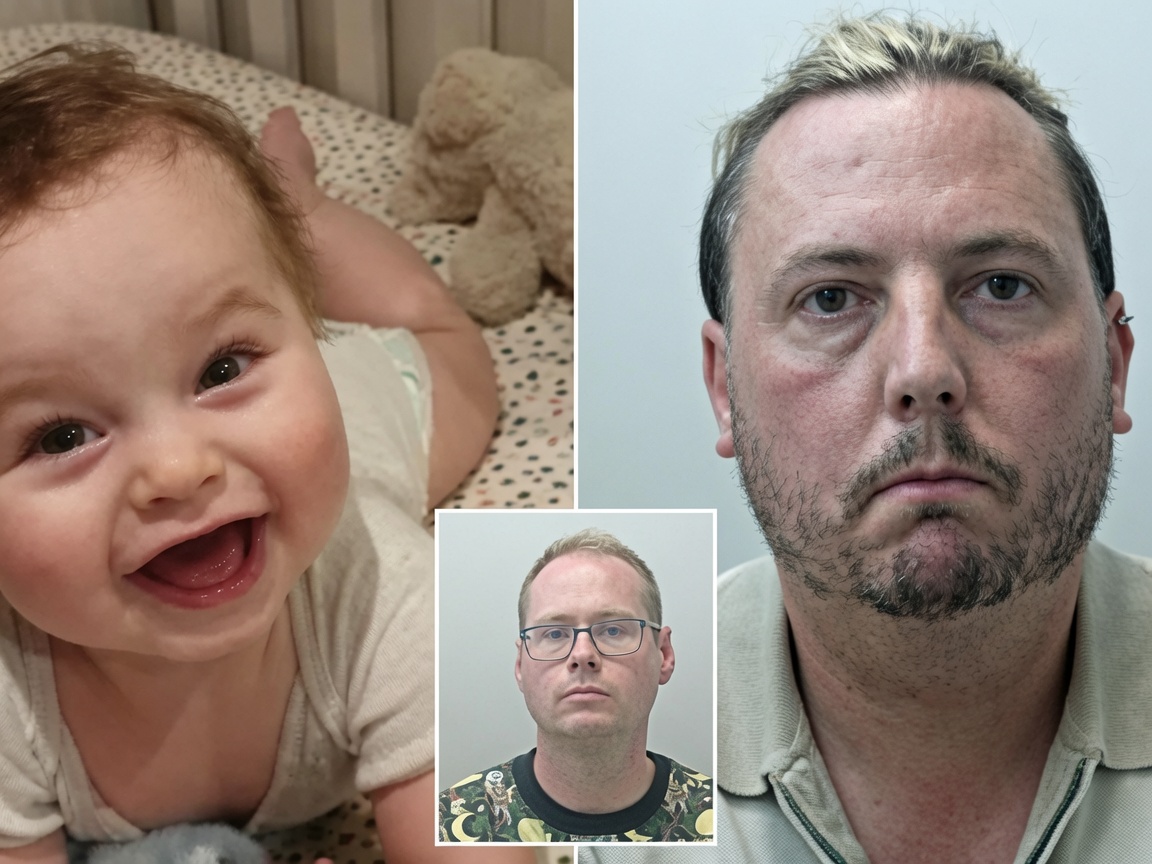
Experts concluded that Preston’s death was caused by airway obstruction, not accidental drowning. The baby’s injuries also pointed to serious non-accidental harm.
During the investigation, police recovered phone evidence that became central to the case. Videos and images taken before Preston’s death helped prosecutors show that the baby had been subjected to cruelty and distress while in the couple’s care.
The court heard that Varley used his professional background and outward appearance of respectability to reassure people around him. But behind that image, prosecutors said, Preston was being harmed in the place where he should have been safest.
Following his conviction, Varley received a whole-life order, one of the most severe punishments available in the UK justice system. It means he will never be released from prison.
John McGowan-Fazakerley was sentenced to 25 years after being found guilty of allowing Preston’s death and related offences.
The sentence brought some measure of justice, but for those who followed the case, it did not erase the larger questions. How was Preston placed in this home? Were warning signs missed? Could professionals have acted sooner?
Child protection advocates say the case must lead to serious reflection and reform. Preston’s death has become more than a criminal case. It is now a warning about the need for stronger safeguards, deeper scrutiny and faster action when concerns are raised about vulnerable children.