Understanding Congenital Spinal Conditions: Raising Awareness for Support and Inclusion
Understanding Congenital Spinal Conditions: Raising Awareness for Support and Inclusion
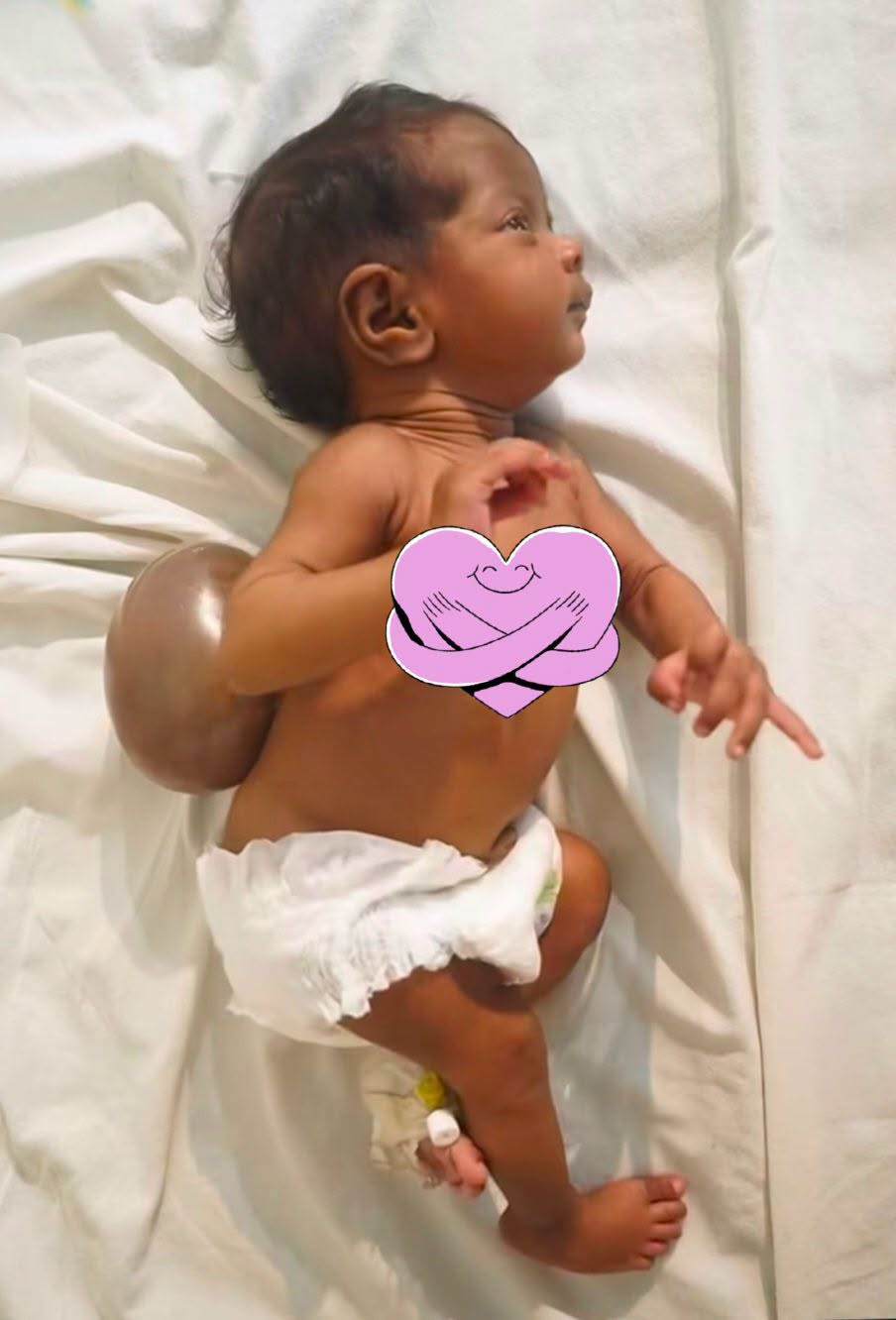
A visible lump or mass on a baby’s lower back can be a highly concerning discovery for parents and healthcare providers alike. This physical manifestation can occur due to various medical conditions, ranging from benign tissue growths to more complex developmental challenges. One significant congenital condition that often presents with a similar appearance is spina bifida. Spina bifida is a neural tube defect that occurs during early pregnancy when the spine and spinal cord do not form or close completely. This can leave an opening in the vertebrae, resulting in a sac or lump on the baby’s back that may contain spinal fluid, nerve tissue, or the spinal cord itself, potentially affecting mobility and nerve function.
When dealing with congenital anomalies like spina bifida, early diagnosis, medical intervention, and specialized care are crucial to managing symptoms and improving long-term outcomes. However, the medical aspect is only one part of the journey. For many families, navigating the societal perceptions and misconceptions surrounding congenital conditions can be just as challenging as managing the physical symptoms themselves.
This is why raising public awareness and deepening our collective understanding of these conditions is so vital. Education plays a transformative role in dispelling myths and reducing the societal stigma that individuals with visible physical differences or disabilities still frequently encounter. By replacing ignorance with empathy, we can foster a more inclusive environment where children with congenital conditions are not defined by their medical diagnoses, but are seen for their inherent worth and potential.
Ultimately, building an inclusive society means ensuring that every child, regardless of the challenges they are born with, receives unconditional support, compassion, and access to necessary resources. When communities come together to provide early interventions, accessible infrastructure, and emotional backing, it creates a foundation of equity. Every single child deserves the opportunity to learn, play, grow, and thrive according to their individual needs, allowing them to lead fulfilling lives surrounded by dignity and respect.