Redefining Beauty: A Mother’s Plea for Compassion and Acceptance for Children Born Different
Redefining Beauty: A Mother’s Plea for Compassion and Acceptance for Children Born Different
When a mother holds her newborn child for the very first time, the world outside ceases to exist. In that quiet, sacred moment, she does not see a collection of features or a medical diagnosis; she sees perfection, a blank canvas of infinite potential, and a life worthy of unconditional love. However, for parents of children born with visible physical or facial differences, that beautiful bubble is often abruptly pierced by the harsh reality of the outside world. It is a reality marked not by malice, but by a painful lack of awareness, uncomfortable stares, and thoughtless comments that can sting deeper than any physical wound.
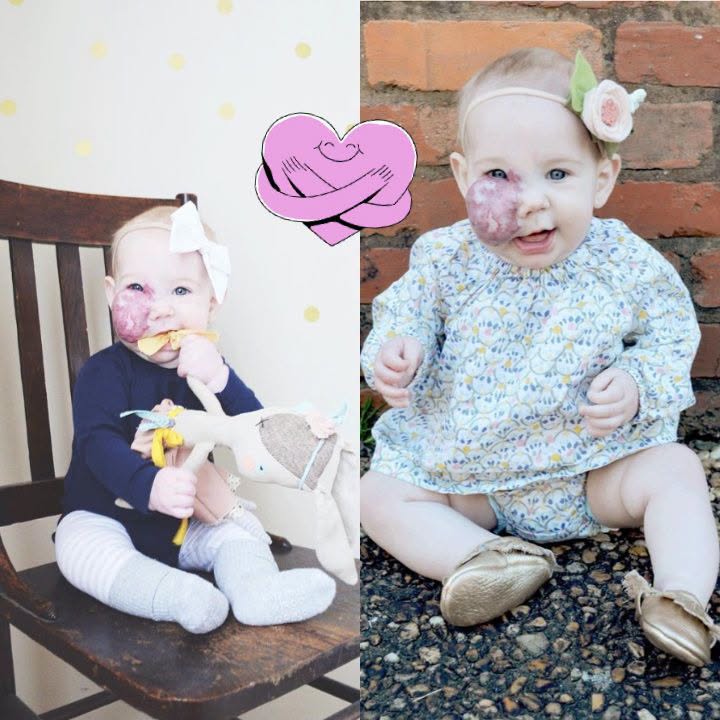
One mother recently chose to break her silence, sharing the emotional weight of navigating public reactions to her baby’s unique facial appearance. Her story is not a cry for pity, but a powerful call to action for greater empathy, understanding, and human decency. She recounts the moments when casual remarks from strangers—sometimes disguised as curiosity—inadvertently diminished the joy of showing off her beautiful child. These experiences highlight a broader societal issue: the tendency to judge a person’s worth and beauty based purely on conventional symmetry and familiar standards.
Through her vulnerability, she reminds us of a fundamental truth that should guide every human interaction: every single child is equally valuable and deserves to be embraced with warmth, love, and kindness. A physical difference does not change a baby’s capacity to feel joy, to laugh, or to love. By shifting our perspective from curiosity to compassion, we can create an environment where these children do not feel isolated or scrutinized, but truly celebrated for exactly who they are.
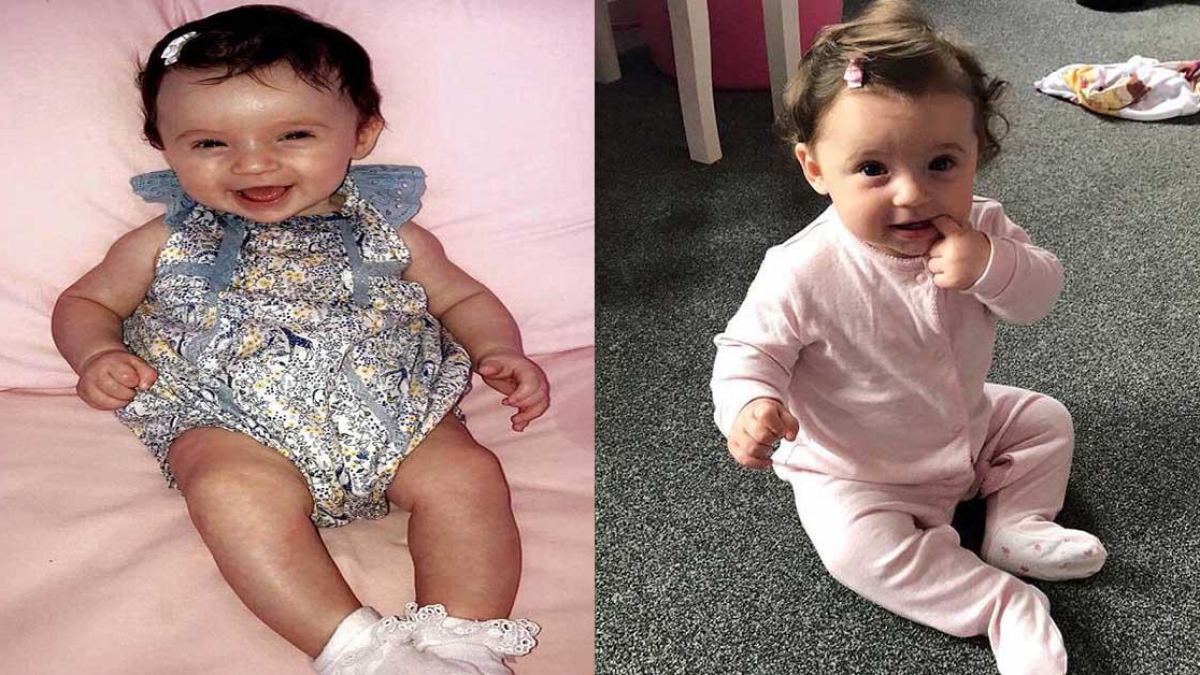
Reducing the social stigma surrounding physical differences begins with a conscious choice. It starts at home, in how we educate ourselves and how we teach the next generation to respect diversity in all its forms. When we encounter a child who looks different, our first instinct should be a warm smile, not a lingering stare. Raising awareness and fostering genuine compassion allows us to build a more thoughtful world—one where every difference is met with respect, and where every child can grow up knowing they belong.