Mother’s emotional story: Nonverbal autistic son begins speaking at age 8 after taking leucovorin — “He had understood everything for years”
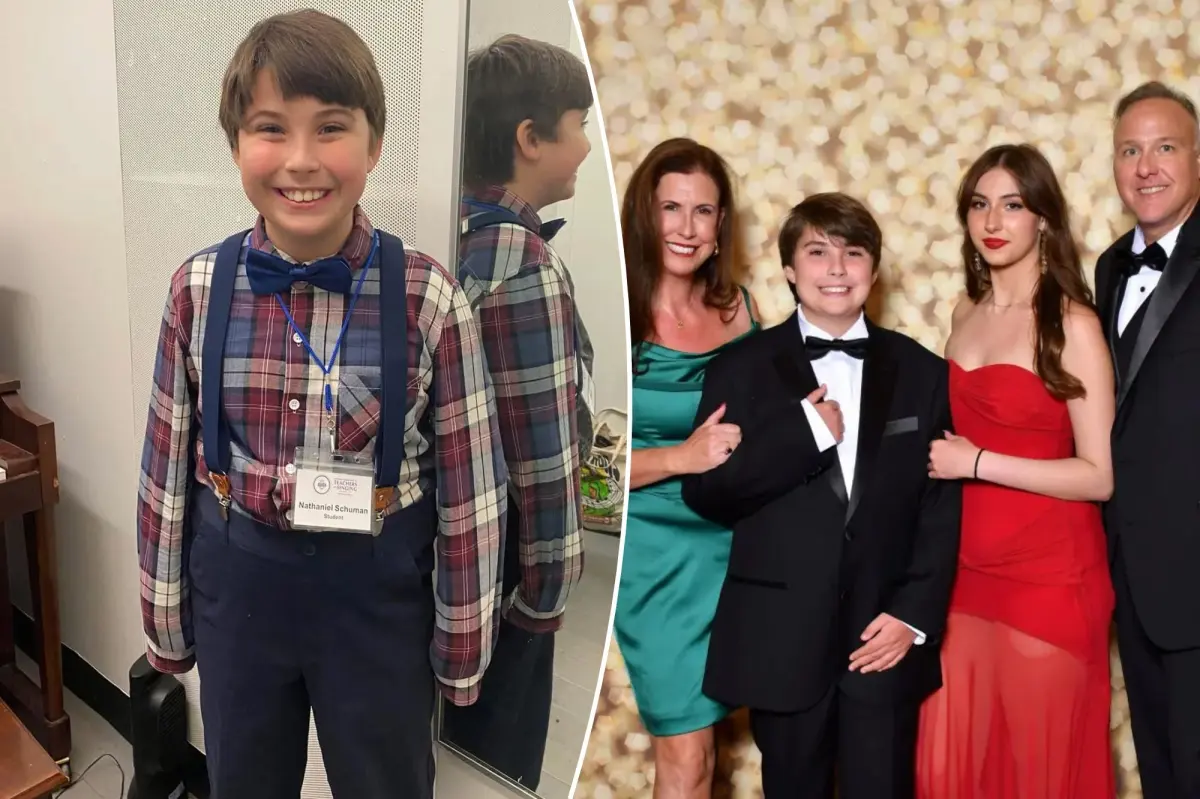
Mother’s emotional story: Nonverbal autistic son begins speaking at age 8 after taking leucovorin — “He had understood everything for years”
For years, Dr. Kathleen Schnier watched her son Nathaniel understand the world around him but remain trapped in silence.
Diagnosed with autism, a receptive-expressive language disorder, and ADHD at age 3, Nathaniel was largely nonverbal throughout his early childhood. Despite intensive therapies starting when he was just 17 months old, he could only manage a few words. His mother knew he was processing everything — he simply could not get the words out.
That changed after Nathaniel enrolled in a clinical trial in 2021 led by pediatric neurologist Dr. Richard Frye. Tests revealed he had cerebral folate deficiency, a condition in which the brain cannot properly absorb folate. He was prescribed leucovorin, a prescription form of folate that can bypass the blockage.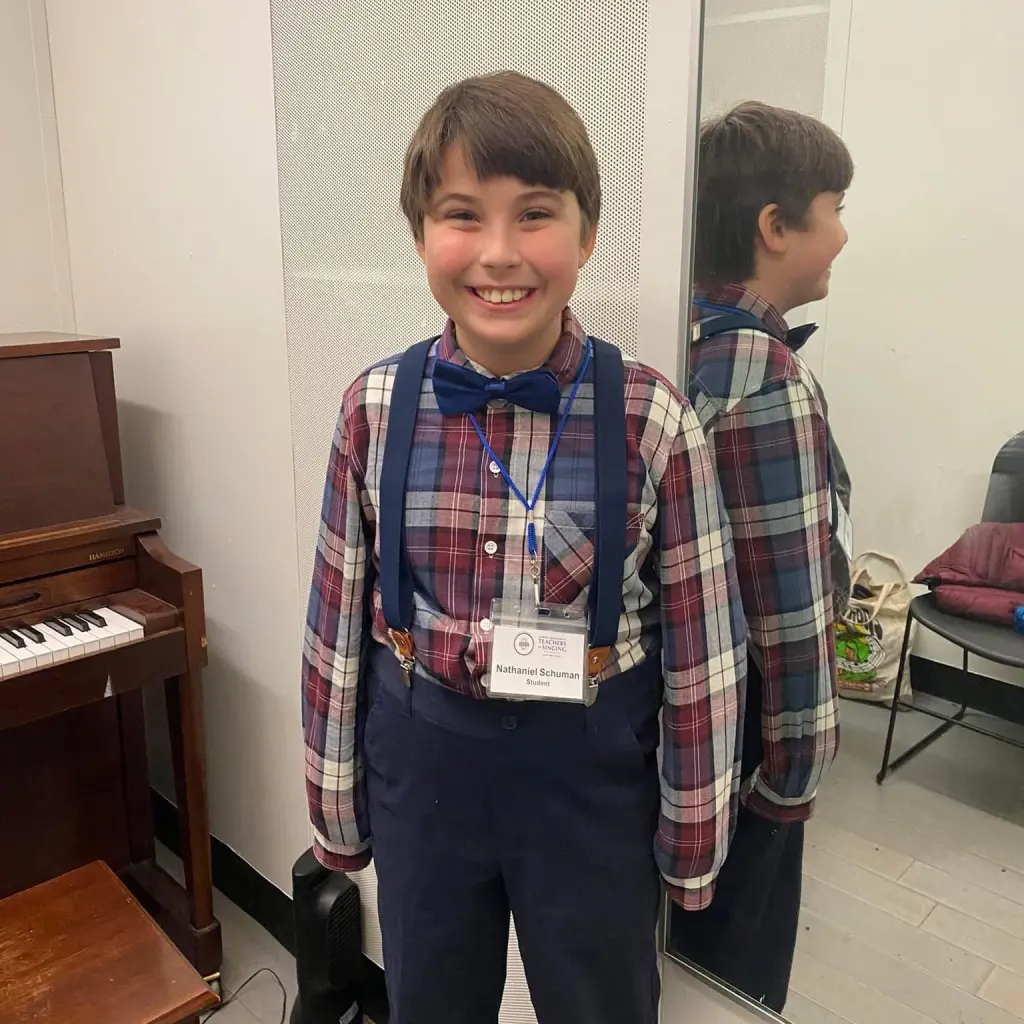
Within six months, something remarkable happened.
“It was like something clicked,” Kathleen said. “He went from one or two words to full-on sentences within six months.”
For the first time, Nathaniel could express the thoughts he had been holding for years. He had a long list of complaints and observations he had been unable to share. One of the first things he told his mother was: “The TV in my brain, I can say it in my mouth.”
Now 13 years old, Nathaniel continues to take leucovorin with no serious side effects. He still receives multiple therapies, which his family credits with helping him build communication skills. He plays guitar, sings in chorus, participates in Special Olympics golf and swimming, and has even taken a solo trip to New York.
His mother is careful to emphasize that leucovorin is not a miracle cure for autism.
“If you’re going to the doctor and looking for an autism pill, it doesn’t exist,” Dr. Frye has said. The medication appears to help a subset of children who have cerebral folate deficiency, and it works best alongside ongoing therapies and support.
Kathleen has also spoken about the importance of continued services for children with disabilities, especially as some states face budget cuts.
For the Schumann family, the transformation has been profound. After years of watching her son understand everything but remain unable to speak, Kathleen finally heard his voice — and the many thoughts he had been waiting to share.
“He had a laundry list of everything that upset him throughout the years,” she said.
What began as a clinical trial has given one boy the ability to communicate, and given his family a powerful reminder of how much can remain hidden when a child cannot speak.