BOY, 7, BORN WITH A RARE CONDITION THAT CAUSES LARGE FLUID-FILLED CYSTS, MAKING IT DIFFICULT FOR HIM TO BREATHE OR EAT: 150 PROCEDURES LATER, DOCTORS ARE STILL WORKING TO REDUCE THE GROWTHS
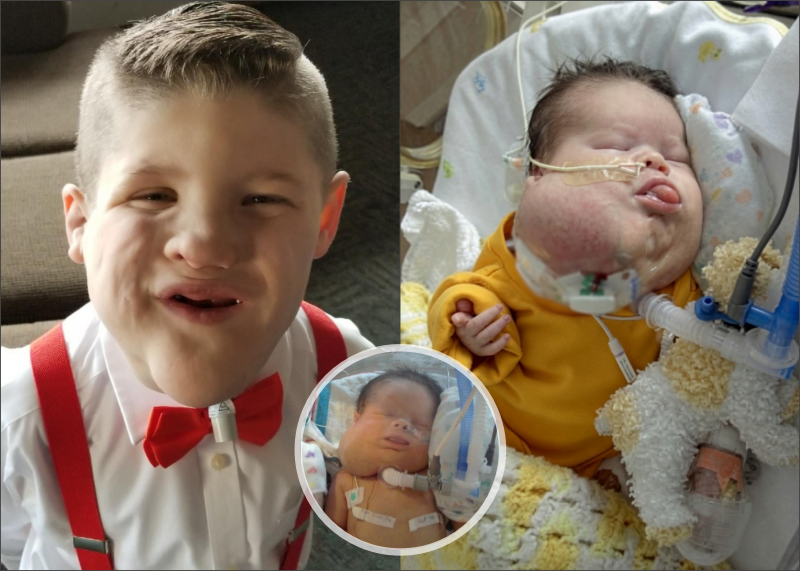
A boy born with enormous cysts in his head and neck can’t eat normally and struggles to breathe because of a rare, lifelong condition.
Despite undergoing more than 150 surgical procedures, doctors have been unable to fully correct the condition or remove the extensive malformations.
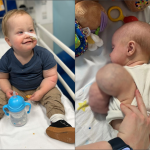
Ryder Hamrick, of Pittsburgh, Pennsylvania, USA, has unusually large lymphatic malformations—fluid-filled cysts that developed around his face, neck, throat, back and the mediastinum, the area between the organs in the chest.
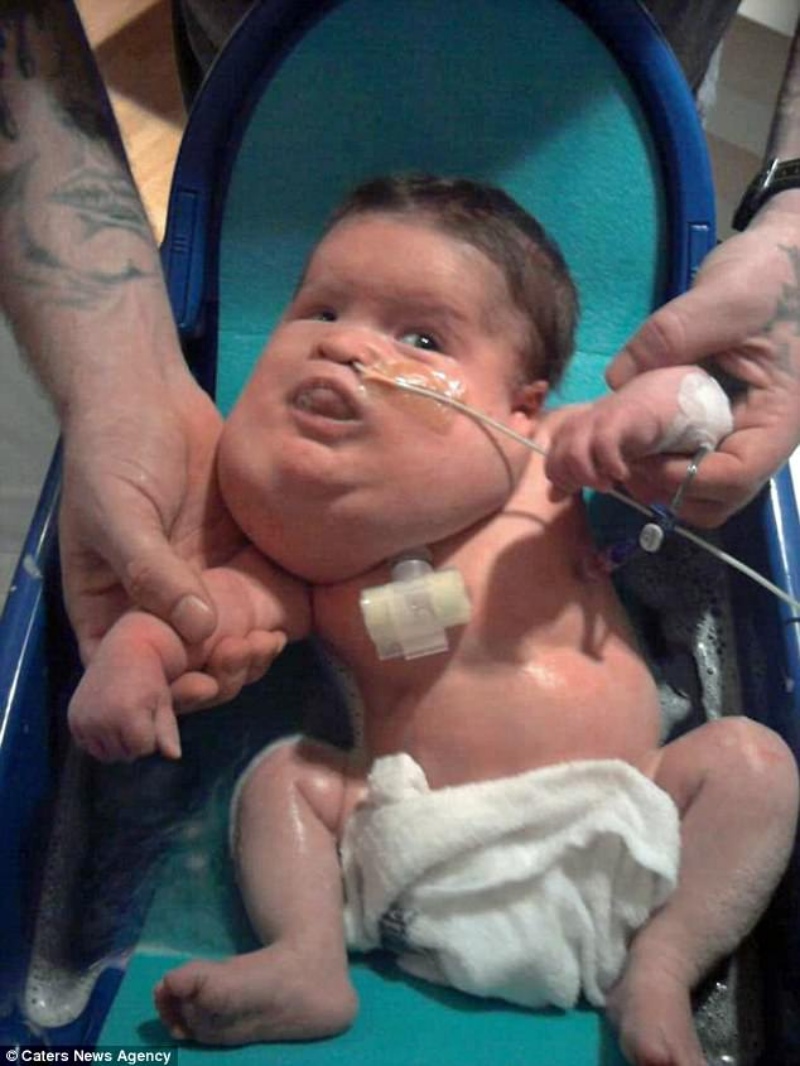
The cysts are so large they make breathing extremely difficult. His throat is under so much pressure that its opening is about the size of a pencil eraser.
Doctors were unsure whether he would survive, and after being born five weeks early by emergency C-section, he required 20 minutes of CPR and intubation, with a permanent tracheostomy fitted less than a week later.
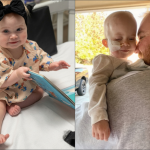
His mum and full-time caregiver, Emily Hamrick, 35, says the condition left his head significantly swollen because of the countless cysts that formed and continue to regrow.
After a routine procedure to remove his tonsils four years ago, he developed pharyngeal stenosis, causing his throat to become extremely narrow.
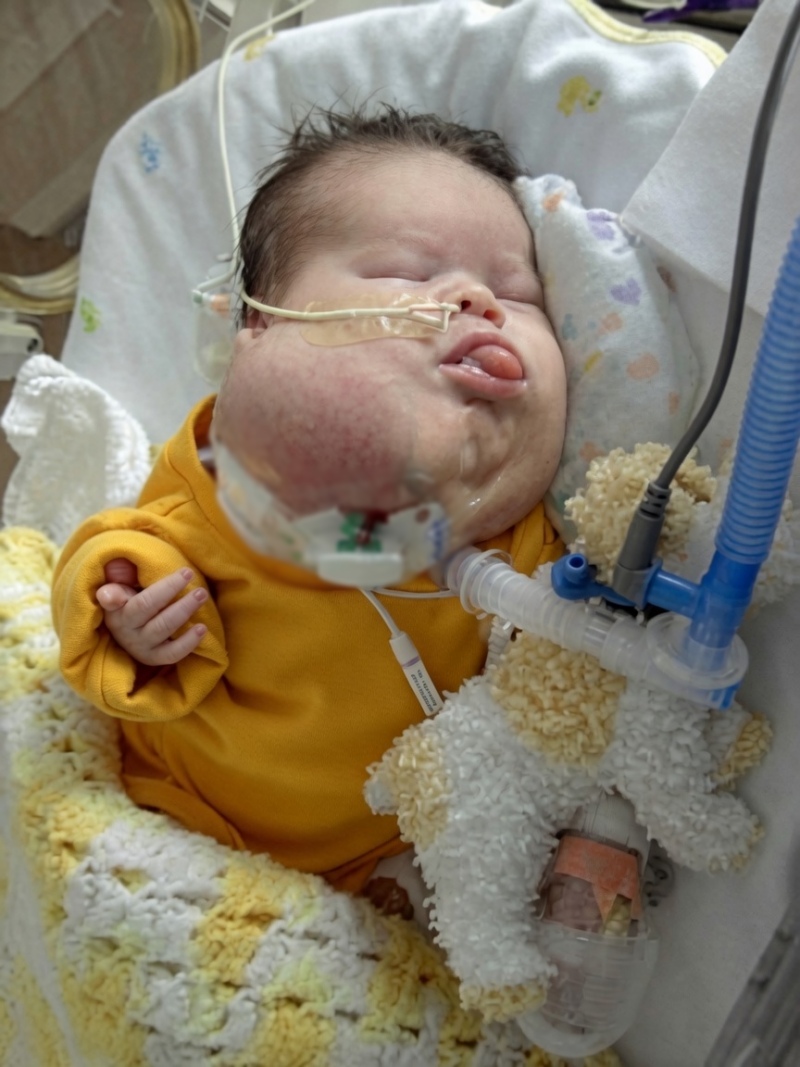
The tiny opening in his throat, about the size of a pencil eraser, requires regular procedures every six weeks to help him breathe, communicate and eat.
To date, the determined seven-year-old has undergone more than 150 surgical procedures to drain the cysts, remove scar tissue, improve his breathing and reopen his throat.
Emily is now raising funds for an innovative surgery that could allow her son to live without his tracheostomy and feeding tube, in a procedure that could dramatically improve his quality of life and potentially transform ENT medicine.
She said: “We all have a lymphatic system, but Ryder’s has never stopped growing. He essentially has lots of little fluid-filled sacs.
“We knew something was wrong before he was born from ultrasound and MRI scans, but when he was born his face was much larger than the rest of his body.
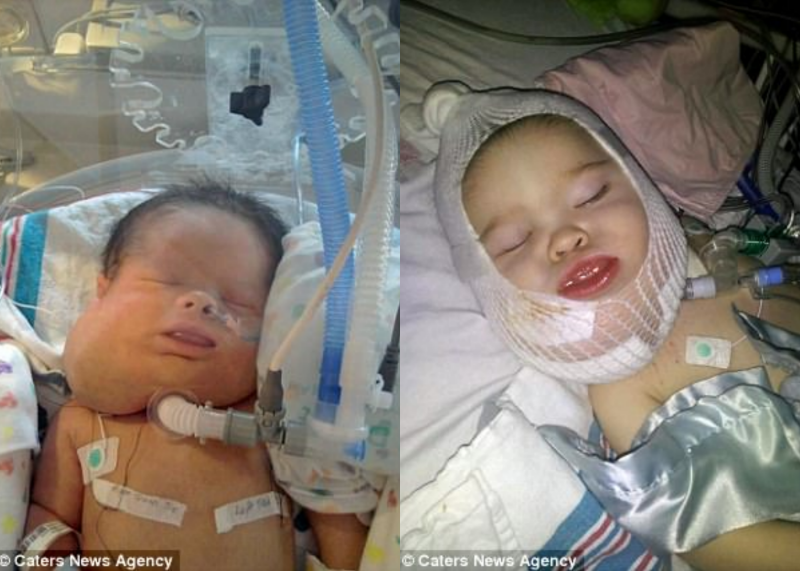
“Some of the bigger cysts are treatable, some are not. They frequently increase in size, so this is a condition where we have to stay proactive and manage it very closely.
“He’s had more than 150 surgical procedures to help him breathe, communicate, eat and maintain his health. There have also been four major debulking surgeries.
“His throat opening is not much bigger than a pencil eraser, so he breathes through a tracheostomy.
“We’ve been managing the narrowing of his throat for four years since he developed pharyngeal stenosis, and we’re trying everything to keep it open.
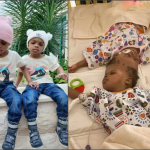
“The condition has left him with a very large chin area. It looks much better than when he was a baby because his body has continued to grow, although many people still stare at him.
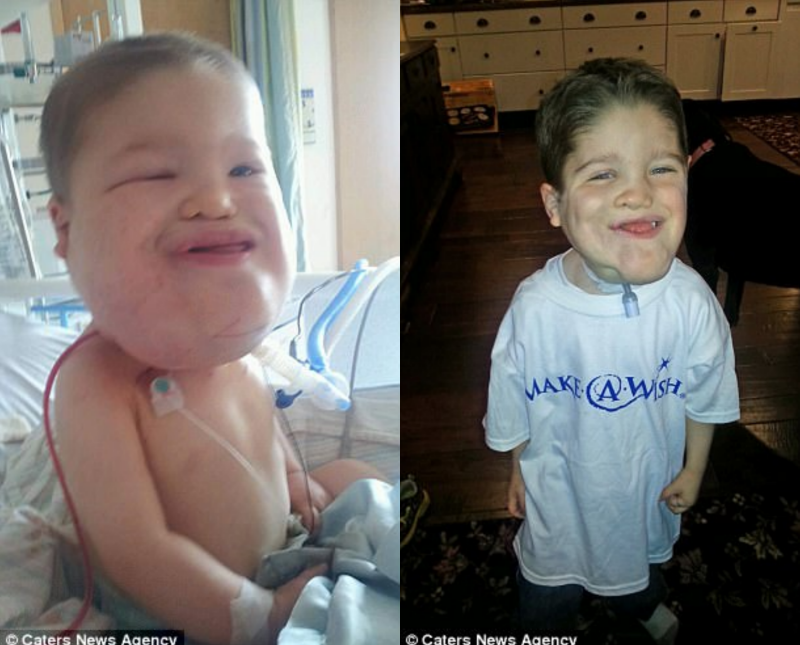
“But he’s wonderful in public. He introduces himself to anyone who is looking at him and is always kind.
“Ryder has an incredible personality, so people are naturally drawn to him. They pray with him in grocery stores and often offer words of encouragement or small gifts. His personality brings people together.
“It’s amazing to see how people respond. It gives me confidence in people because, despite looking different, everyone around him seems to care about him.”
Ryder was born with a specific type of vascular anomaly known as lymphatic malformations, which affects around one in 50,000 people worldwide.
Mum was told he might live only a few hours
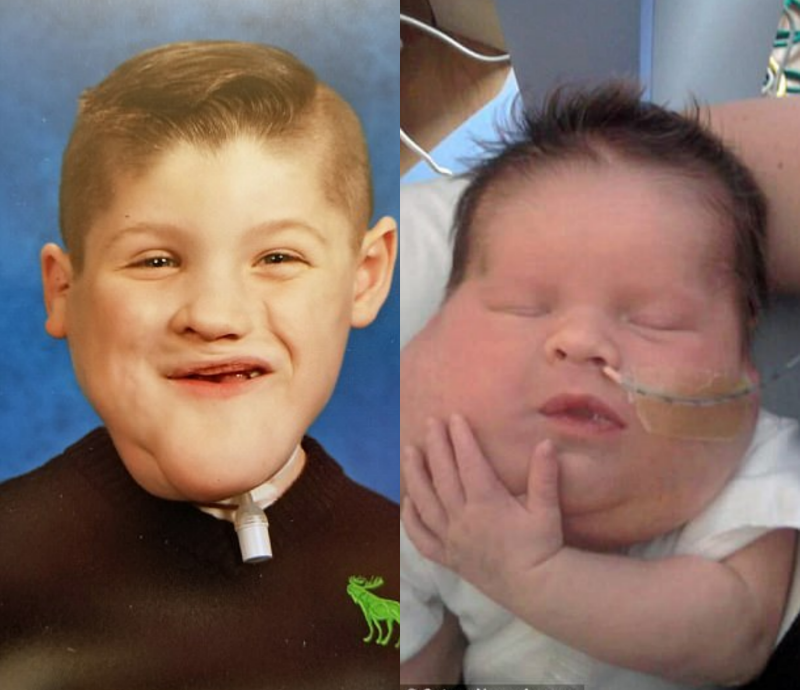
Neonatal doctors believed he might survive only a few hours after birth because of the complications caused by the severity of his condition.
They even helped the family prepare for the possibility of losing him.
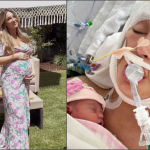
Ryder was born by emergency caesarean five weeks early because his face was bleeding heavily while he was still in the womb.
Emily said: “He was diagnosed through an ultrasound, followed by an MRI. All they could tell us was that his condition was very severe and that we should prepare ourselves because they weren’t sure he would survive.
“He was born without a heartbeat via emergency C-section. It took 20 minutes of CPR and intubation to stabilize him.
“The lymphatic malformation was extremely severe, affecting his head, face, tongue, throat, back and mediastinum.”

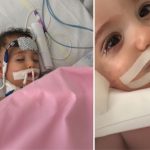
It would be another seven months before the little boy was able to leave the hospital because the masses had caused major difficulties with breathing and eating.
Sclerotherapy has been his primary treatment, allowing surgeons to drain cysts and remove scar tissue. However, because of the nature of the condition, the growths continue to return.
Emily said: “He had more than 50 sclerotherapy sessions before he was able to breathe well enough and become stable enough for us to take him home.
“After being told he probably wouldn’t survive birth, nothing has affected me more deeply since. Every day I’m grateful my son is here with us.”
Because of his facial difference, hearing aids and tracheostomy, Ryder often attracts attention from members of the public and classmates, who are curious about his condition.
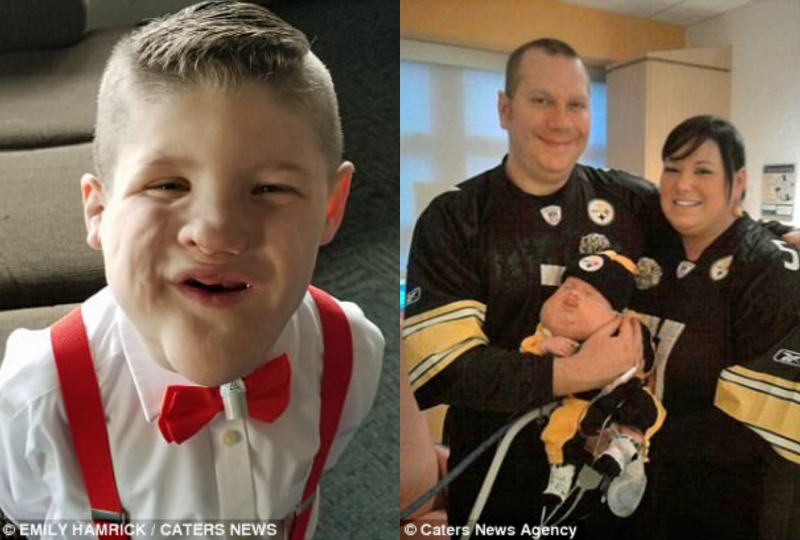
Emily said: “When he started kindergarten this year, it was a huge step for all of us. It meant a lot more people would meet him, so I sent a letter home to every family in his class explaining how much he has in common with the other children.
“I wrote, ‘I’m going to be in your class. I look different, but I enjoy all the same things you do.’ It was received so warmly and was one of the best decisions I made.”
The Hamrick family are raising funds for a life-changing surgery at the Children’s Hospital of Texas. The minimally invasive procedure could transform Ryder’s future.
She added: “Ryder would be one of the first patients to undergo this surgery, and if it’s successful, it could transform ENT medicine around the world.
“More importantly, it could give Ryder the opportunity to live without a tracheostomy, a feeding tube and so many surgeries.
“Because of Ryder’s extensive medical needs, our family relies on a single income, making this journey incredibly difficult to manage on our own.”
Source: Daily Mail